
As city skylines continue to evolve, curtain walls have become an indispensable part of modern architecture. From towering office buildings to stylish commercial complexes and eco-friendly residential communities, curtain walls are more than just an “outer layer.” They combine functionality with aesthetics, serving purposes of safety, protection, energy efficiency, and decoration.
This raises a critical question for developers, contractors, and design teams: where to find curtain wall suppliers?
At first glance, the question seems simple. In reality, choosing the right curtain wall supplier determines the project’s quality, cost, timeline, and even long-term maintenance. This article explores the issue from multiple angles, including market distribution, sourcing channels, common concerns, real case studies, and practical insights.
Why Does Finding the Right Curtain Wall Supplier Matter?
Many developers focus heavily on architectural design and general contracting during early project stages but overlook the importance of selecting the right curtain wall supplier. However, curtain wall systems typically account for 8%–12% of total construction costs, and in premium projects, the proportion may exceed 15%. Neglect in this area can lead to future problems such as water leakage, deformation, costly maintenance, and even damage to the building’s overall image.
According to data from the China Building Decoration Association, the total output value of China’s curtain wall industry exceeded 350 billion RMB in 2023, with the top 50 suppliers capturing over 60% of the market share. This reflects a market trend of “leading concentration with regional dispersion.” For developers, working with a reliable curtain wall supplier not only ensures quality but also delivers value in design optimization, cost control, and long-term service.
Where to Find Curtain Wall Suppliers? Common Channels
(1) Industry Exhibitions and Trade Fairs
Attending trade fairs is one of the most efficient ways to meet multiple curtain wall suppliers at once. Examples include:
China International Building Decoration Fair (Guangzhou): Over 2,000 exhibitors, with curtain wall suppliers making up more than 15%.
Shanghai International Curtain Wall & Window Expo: A specialized event attracting hundreds of leading domestic and international suppliers every year.
Exhibitions allow you to directly evaluate product quality and craftsmanship, while face-to-face conversations help assess professionalism and service awareness.
(2) Industry Reputation and Recommendations
Many developers rely on peer recommendations when seeking suppliers. For example, a property group in Shenzhen initially lacked a supplier list for its industrial park project. Through referrals from other developers, they connected with an experienced curtain wall supplier, enabling early project delivery.
The advantage of reputation-based sourcing is reduced risk by leveraging prior experience. The drawback is that the information pool may be limited.
(3) Professional Associations and Qualification Checks
Organizations such as the China Association of Building Curtain Wall Industry and local decoration associations often publish lists of qualified suppliers. These sources help quickly filter out companies with Class I or Class II curtain wall engineering licenses, ensuring compliance and performance capability.
(4) Online Searches and Information Platforms
In today’s digital landscape, many curtain wall suppliers maintain a strong online presence. A quick Google search for “curtain wall suppliers” yields thousands of results. The challenge is filtering the genuine from the flashy: while some companies boast polished websites, their real capabilities may fall short. It’s essential to cross-check with case studies, news coverage, and client testimonials.
(5) On-Site Visits and Project Tours
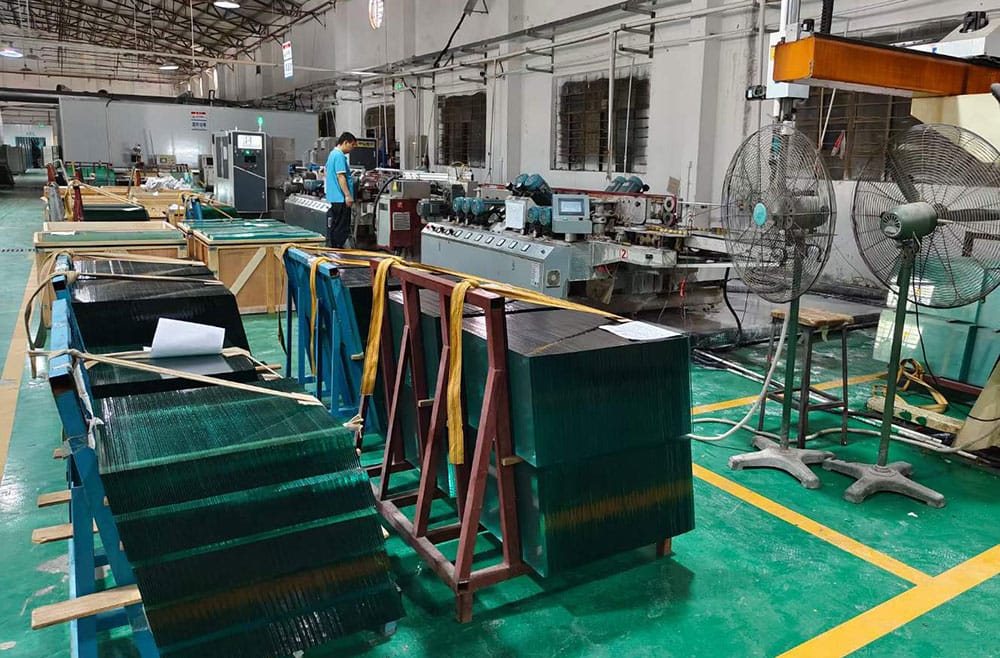
The most direct and effective method is on-site verification. Visiting a supplier’s manufacturing facilities, equipment, and ongoing projects provides invaluable insight into their production capacity and execution. For medium and large-scale projects, this step is practically mandatory.
Common Questions When Choosing Curtain Wall Suppliers
Do I have to choose a big-name brand?
Not necessarily. While large suppliers have advantages, medium-sized companies may offer better cost-performance and flexibility. The key is aligning the supplier’s strengths with the project’s needs.
Do suppliers provide design services?
Quality suppliers often go beyond manufacturing and assist in design optimization. For example, they can recommend better joint solutions when combining glass and aluminum panels.
Why are price differences so large?
Quotes from different suppliers may vary by 20–30%. Differences stem from material selection, technical processes, and whether after-sales service is included. Chasing the lowest price often leads to higher long-term maintenance costs.
Is after-sales service really that important?
Yes. Curtain wall lifespans typically exceed 15 years. Over that time, issues such as aging seals, loose glass, and component maintenance will require ongoing supplier support.
Case Study: From Supplier Search to Project Delivery
Take the example of a high-tech industrial park in Shenzhen:
Initially, the developer met several curtain wall suppliers at a trade fair and collected preliminary proposals.
They later used an industry association to verify qualifications, eliminating two unlicensed firms.
Of the three finalists, they chose ZDMQ, which operates a 19,000 m² production base.
Reasons for selection included:
Quick Response: Submitted a complete design proposal within 48 hours.
Manufacturing Precision: Batch processing accuracy of ±0.1 mm, ensuring façade consistency.
After-Sales Commitment: 24/7 emergency support for long-term peace of mind.
The project was not only delivered on time but also achieved nearly 10% cost savings and earned a local green building certification.
Personal Insights: How to Efficiently Find the Right Curtain Wall Supplier
Based on industry observation and real cases, here are my suggestions:
Clarify Project Needs First: High-rise offices emphasize wind resistance, while residential communities prioritize cost-effectiveness.
Use Multiple Channels: Combine exhibitions, associations, online searches, and peer recommendations.
Validate On-Site: Factory visits and project tours remain the gold standard.
Think Long-Term: Curtain walls are not a one-off purchase; they require ongoing maintenance. Choose suppliers capable of supporting long-term collaboration.
Conclusion
Finding the right curtain wall supplier is not a one-step decision. It requires evaluating project type, budget, location, and supplier capabilities. Trade fairs, associations, online platforms, and site visits all play critical roles in the search process.
Ultimately, the goal is to secure a professional, reliable partner who can ensure safety, aesthetics, and energy efficiency throughout the building’s lifecycle.
In today’s competitive market, companies like ZDMQ, with strong manufacturing power, extensive project experience, and rapid service response, are becoming top choices for many developers.
So, if you’re wondering where to find curtain wall suppliers, start by defining your needs and exploring multiple channels. With the right approach, you’ll find a partner you can truly rely on.

