
In the modern construction industry, the design of a building façade is not only about aesthetics but also a vital reflection of quality and value. More and more developers, design institutes, and property owners are choosing glass curtain walls for their projects. However, questions often arise: Is the price of a glass curtain wall reasonable? Is its performance reliable? Does it truly add value to the building?
Behind these questions, the core concern usually comes down to: Why choose glass curtain walls, and what are their real advantages? Only by understanding these benefits can decision-makers make informed choices during design comparisons and investment planning.
Key Features and Advantages of Glass Curtain Walls
1. Modern Appearance, Enhanced Architectural Image
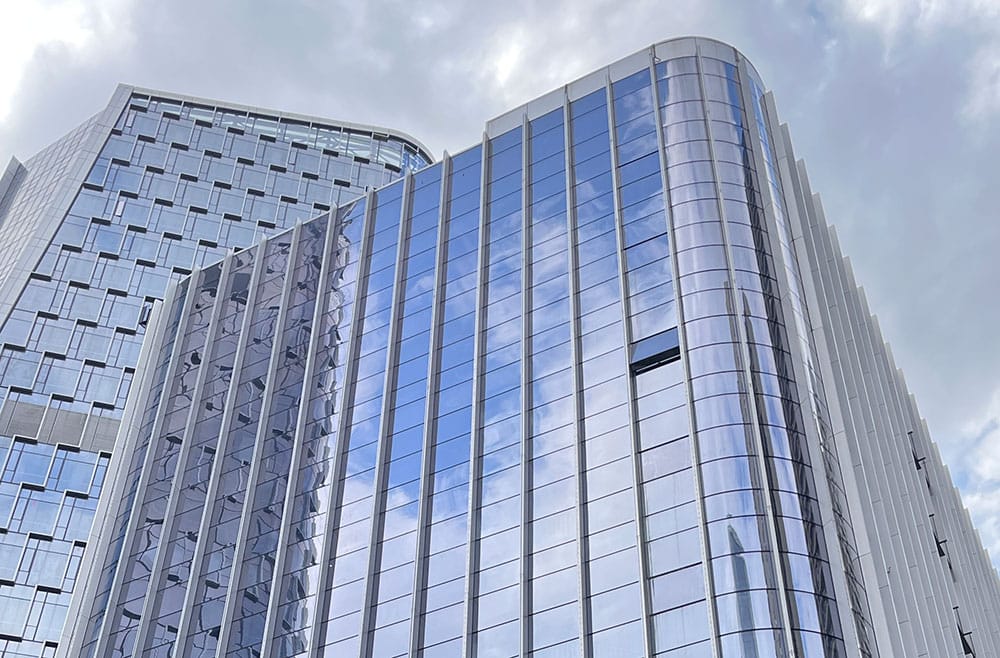
The most obvious advantage of a glass curtain wall is its modern and stylish appearance. Compared to traditional brick or stone façades, glass curtain walls deliver a sleek, transparent look that instantly elevates the building’s status. For example, a high-rise office tower with a full glass curtain wall appears taller, more elegant, and reflects the strength and modernity of the company. This visual advantage not only attracts tenants and clients but also enhances the landmark value of the city.
2. Abundant Natural Light, Energy Saving and Eco-Friendly
Another major advantage is superior natural lighting. Large glass surfaces allow maximum daylight to enter, reducing dependence on artificial lighting and cutting energy costs. With the rise of green building trends, glass curtain walls combined with insulated glass or Low-E glass effectively block ultraviolet rays and heat, achieving energy efficiency. For instance, in regions such as Africa or the Middle East with intense sunlight, coated or laminated curtain wall systems can ensure insulation and reduce cooling costs, lowering long-term operational expenses.
3. Noise Reduction for Comfortable Indoor Environments
In modern cities where noise pollution is common, especially in high-rise districts, glass curtain walls provide excellent sound insulation when using insulated or laminated glass. This creates a quieter and more comfortable indoor environment—vital for hotels, offices, and luxury residences. For example, an office tower in a busy downtown area would struggle to attract tenants without sound insulation. Glass curtain walls solve this problem effectively.
4. Safety and Structural Performance
Glass curtain walls are more than decorative features; they are part of a complete building envelope system. Designed with safety in mind, they consider wind resistance, seismic loads, and overall structural performance. Using tempered or laminated glass ensures that even if broken, the glass will not shatter into dangerous fragments, reducing risks significantly. Traditional façade materials cannot match this level of safety.
5. Flexible Customization to Meet Individual Needs
Another advantage lies in design flexibility. Glass curtain walls can be customized for flat or complex forms, including curved glass, point-supported systems, and unitized curtain walls. This allows architects to bring unique design concepts to life while meeting practical requirements. For developers, this means achieving a distinctive building façade that combines function with individuality.
Case Studies
Case 1: Large Commercial Complex in Guangzhou
A well-known commercial complex in Guangzhou adopted a full glass curtain wall façade. Located in the city center, the developer wanted to attract high-end tenants through a modern design. After completion, the stylish façade helped the complex draw international brands and positioned it as a landmark property.
Case 2: Five-Star Hotel in Africa
A luxury hotel in Africa chose a Low-E glass curtain wall system to address the region’s hot climate. The façade provided ample daylight while reducing energy consumption for air conditioning. After opening, guests praised both comfort and aesthetics, showcasing the curtain wall’s energy-saving advantage.
Case 3: Office Tower Facing Traffic Noise
An office building near a major highway suffered from serious noise issues. By using insulated glass curtain walls, the developer successfully minimized noise levels, creating an ideal working environment. The project’s leasing performance quickly surpassed competitors in the same area.
Comparisons with Other Façade Solutions
Glass Curtain Walls vs. Traditional Brick Walls
Brick walls are cost-effective but lack modern aesthetics and can appear outdated. In contrast, glass curtain walls combine style, energy savings, sound insulation, and safety, offering higher long-term returns on investment.
Glass Curtain Walls vs. Stone Cladding
Stone façades appear elegant but are heavy, expensive, and difficult to install. Glass curtain walls are lighter, easier to construct, and provide greater design flexibility, making them better suited for high-rise projects.
Glass Curtain Walls vs. Aluminum Panels
Aluminum façades are durable but often give an industrial, rigid look with limited transparency. Glass curtain walls, on the other hand, deliver brightness and openness, which are highly valued in modern, high-end developments.
The advantages of glass curtain walls go far beyond a sleek exterior. They provide energy efficiency, noise reduction, safety, and design flexibility. For developers planning office towers, commercial complexes, hotels, or luxury residences, glass curtain walls are a highly valuable choice.
Whether you are a developer, contractor, or architect, if you would like to learn more about glass curtain wall solutions, costs, or installation details, feel free to contact us. We provide professional consultation and customized services to make your project more competitive.

