
In modern architecture, exterior design and construction go far beyond decoration. Whether in high-rise urban centers or newly developed commercial complexes, we often see expansive glass facades paired with various styles of windows. At this point, many people wonder: What’s the difference between glass curtain walls and windows?While they may look similar, they differ significantly in structure, function, installation, and application. This article provides a detailed comparison to help clarify.
- What Is a Glass Curtain Wall?
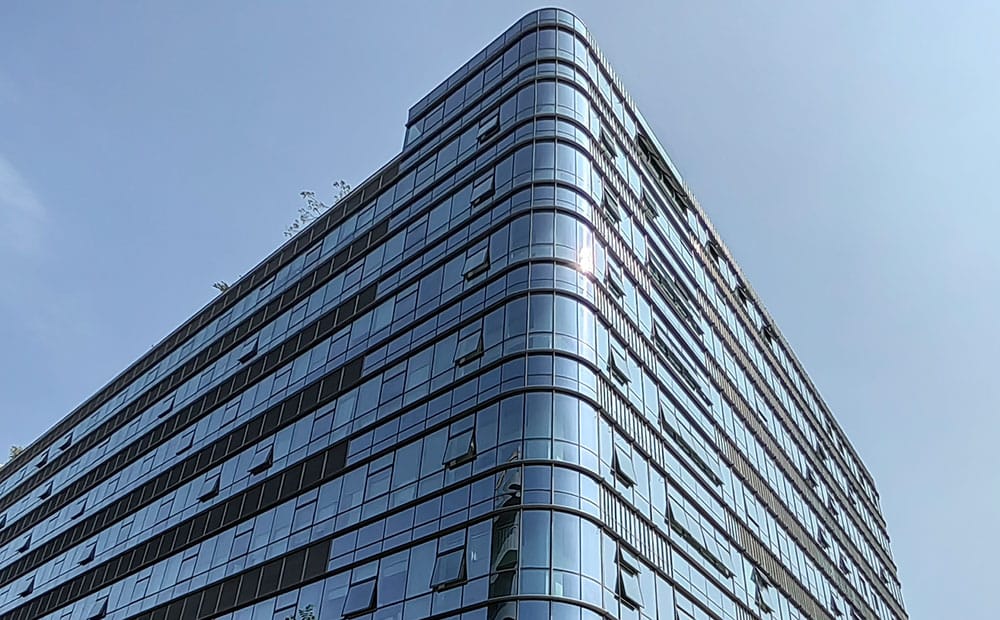
As the name suggests, a glass curtain wall is an exterior wall system composed of glass and a supporting metal framework. Unlike traditional load-bearing walls, it functions as an enclosure system rather than part of the building’s structure. In simple terms, it’s like a “transparent skin” for the building.
Key characteristics of glass curtain walls:
- Non-load-bearing:They do not carry the building’s structural loads but serve as cladding and enclosure.
- Large transparency:They deliver openness and a strong modern aesthetic.
- System complexity:Design involves structural engineering, waterproofing, insulation, and more.
- Variety of systems:Common types include stick-built, unitized, and point-supported curtain walls.
Thus, a glass curtain wall is not just “a big glass panel” but a complete engineering system.
- What Are Windows and Doors?
Windows and doors are fundamental components in all buildings. Whether in homes, offices, or commercial spaces, they provide light, ventilation, security, and sound insulation.
Key characteristics of windows and doors:
- Strong functionality:They must allow opening and closing while ensuring sealing and weather resistance.
- Wide variety:Aluminum windows, thermal-break systems, PVC frames, wooden windows, sliding doors, casement doors, and more.
- Flexible sizing:Designed to fit specific wall openings, but they generally don’t span an entire facade.
- Simpler installation:Compared with curtain walls, installation is faster and less demanding.

Glass Curtain Walls
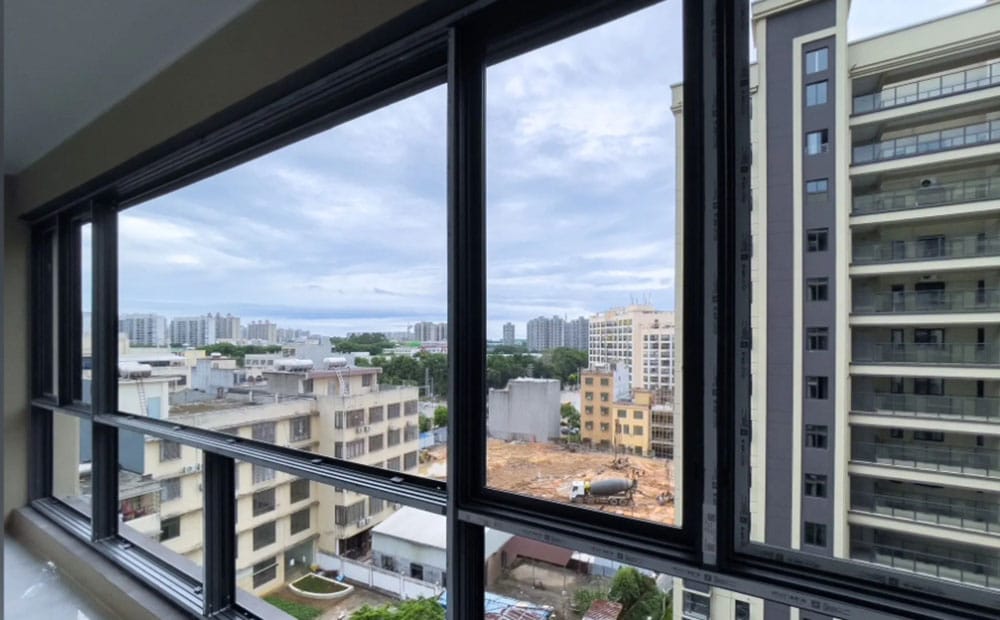
Windows and doors are closer to daily use, serving as the “bridge” between indoors and outdoors.
III. Key Differences Between Glass Curtain Walls and Windows
Because they often appear together in modern architecture, it’s easy to confuse them. Here’s a direct comparison:
- Structural Role
Curtain walls:Part of the building envelope, covering large areas for overall cladding and protection.
Windows/doors:Localized elements, fitted into wall openings, focusing on operability.
- Load-Bearing
Curtain walls:Supported by steel or aluminum framing, not self-supporting.
Windows/doors:Fixed to wall openings, relying on the wall for support.
- Functional Focus
Curtain walls:Emphasize facade design, daylighting, sound insulation, thermal performance, and energy efficiency.
Windows/doors:Prioritize ventilation, daylighting, security, and ease of use.
- Construction Complexity
Curtain walls:Require detailed design, engineering, and specialized installation teams.
Windows/doors:Simpler to install, shorter construction cycle.
- Cost
Curtain walls:High cost, commonly used in premium projects.
Windows/doors:Lower cost, suitable for a wider range of applications.
- Frequently Asked Questions (FAQ)
Q1: Is a glass curtain wall just a giant window?
A1:No. Although both use glass, a curtain wall is a complete facade system involving structural support, waterproofing, and energy management. A window is a single opening element within a wall.
Q2: Can curtain walls include operable windows?
A2:Yes. Many curtain wall systems integrate operable vents for ventilation and maintenance. However, these make up only a small portion of the facade and follow stricter design standards than conventional windows.
Q3: Can windows replace curtain walls?
A3:No. Windows are localized elements and cannot serve as a continuous facade system. They lack the structural and performance functions of curtain walls.
Q4: Which is more energy efficient—curtain walls or windows?
A4:It depends on materials and design. High-performance curtain walls often use double-silver Low-E glass and insulated units for superior thermal efficiency. On a smaller scale, well-designed thermal-break windows can also achieve excellent energy performance.
Q5: Which is easier to maintain?
A5:Windows are simpler and cheaper to maintain. Curtain walls require professional servicing and cost more, but they generally have longer lifespans.
- Choosing Between Curtain Walls and Windows
In practice, developers and owners decide based on function, budget, and project positioning.
High-end offices, commercial complexes, and hotels:Large-scale glass curtain walls create a modern look and elevate brand image.
Residential buildings, schools, smaller offices:Windows and doors are more cost-effective and practical.
High-rises:Often use both—curtain walls for aesthetics and performance, windows for everyday ventilation and safety.
This “combined approach” ensures both visual impact and usability.
- Future Trends: Integration of Curtain Walls and Windows
As energy efficiency and sustainability grow in importance, curtain walls and windows are becoming more integrated:
Unified design:Incorporating high-performance windows into curtain wall systems for facades that are both impressive and practical.
Smart technology:Smart glass and automated opening systems for enhanced building intelligence.
Green solutions:Use of insulated glass, Low-E coatings, and thermal-break frames to reduce energy consumption.
The future of architecture will focus less on separating “curtain walls” and “windows” and more on holistic, system-based solutions.
While glass curtain walls and windows both belong to the building envelope, they differ significantly in role, function, construction, and cost.
Curtain walls emphasize facade performance and overall appearance.
Windows focus on localized functionality and everyday convenience.
In modern projects, they are not substitutes but complements. The best choice depends on project type, performance requirements, and budget—striking the right balance between aesthetics, practicality, and economy.

