
In the field of commercial hospitality, pursuing a modern and high-end architectural appearance has become a prevailing trend. As a construction system that combines functionality with aesthetics, hotel glass curtain walls are increasingly being used in various hotel projects. From urban business hotels to coastal resorts, glass curtain walls have gradually become a standard feature of hotel façades.
So, are hotel glass curtain walls truly a good choice? What benefits do they bring in practical application? Are they suitable for all types of hotel buildings? Today, ZDMQ will explore these questions in detail, helping owners, investors, developers, and designers better understand the value of hotel glass curtain walls.
The Widespread Use of Hotel Glass Curtain Walls
Hotels are high-frequency hospitality buildings, and their external appearance not only shapes guests’ first impressions but also conveys the hotel’s brand image and positioning. Against this backdrop, more and more hotel developers are opting for hotel glass curtain walls to create a transparent, modern, and international architectural visual effect.
Looking globally, many high-end hotel projects have adopted large-scale glass curtain wall designs. Whether it’s the Burj Al Arab in Dubai or the Ritz-Carlton in Shanghai’s Pudong district, their façades are predominantly clad in glass curtain walls. This trend reflects the globalization of architectural aesthetics and proves that hotel glass curtain walls are widely accepted and recognized in the mainstream market.
Four Key Advantages of Hotel Glass Curtain Walls
1、Enhancing Building Appearance and Brand Image
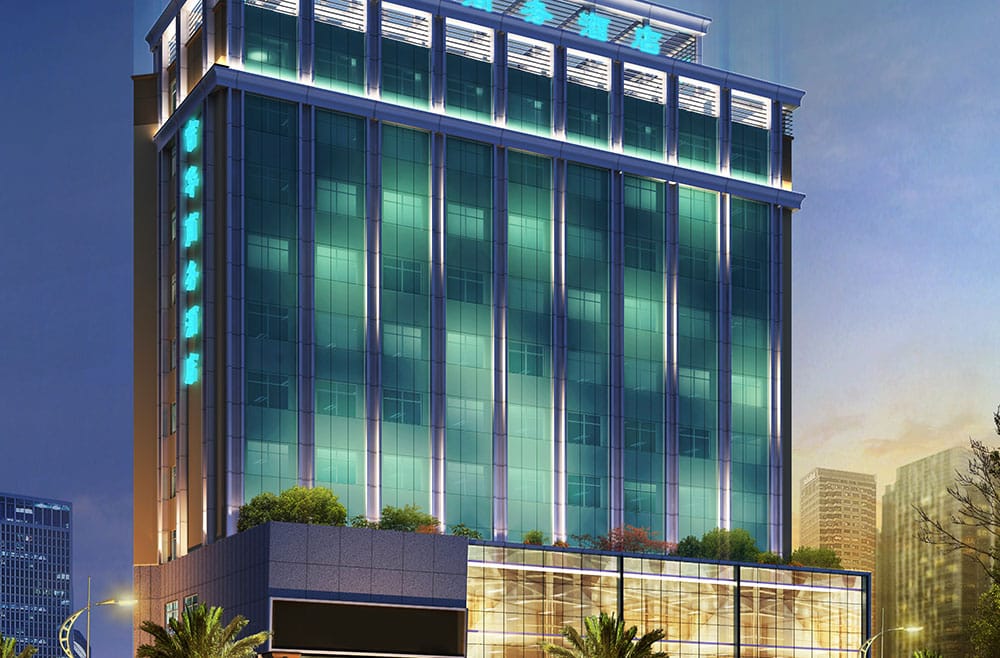
One of the most apparent advantages of hotel glass curtain walls is their attractive appearance. Large glass façades allow natural daylight to fully illuminate the building during the day, giving it a bright and transparent look. At night, the interior lighting creates a vivid, high-tech visual impact. For high-end hotels that emphasize brand tone, this visual appeal significantly enhances brand recognition and guest attraction.
2、Improving Indoor Lighting and Spatial Experience
Hotel glass curtain walls are not only visually pleasing but also effectively improve the interior environment. Glass materials offer excellent light transmission, allowing natural sunlight to fill guest rooms, corridors, and lobbies, making the spaces more comfortable while reducing daytime lighting energy consumption. Especially for hotels located by the sea, rivers, or in high-rise buildings, glass curtain walls offer guests a wider and more enjoyable view, greatly enhancing overall satisfaction.
3、Excellent Thermal and Acoustic Insulation
Modern hotel glass curtain walls often use insulated glass, LOW-E coatings, or double-glazed structures that provide both thermal and acoustic insulation. For hotels situated in busy city centers, near traffic arteries, or along noisy streets, this is particularly important. High-quality hotel glass curtain walls can significantly reduce external noise while maintaining a stable indoor temperature. This not only improves the guest experience but also contributes to energy efficiency.
4、Supporting Green and Sustainable Development
As the global construction industry moves toward green building standards, energy efficiency and environmental sustainability have become crucial evaluation metrics. Thanks to their insulation and natural lighting capabilities, hotel glass curtain walls can reduce the load on HVAC systems, saving energy and supporting low-carbon operations. Many eco-friendly hotel buildings have extensively adopted glass curtain wall systems for this reason.
Feasibility of Using Hotel Glass Curtain Walls
Although hotel glass curtain walls offer many advantages, their practical implementation must be evaluated from multiple angles.
First, from a structural perspective, hotel buildings often feature complex shapes and considerable height. Therefore, glass curtain wall systems must be carefully designed to withstand wind pressure, seismic activity, and ensure long-term structural integrity. This requires professional façade engineering teams to ensure safe and reliable performance.
Second, regarding cost, hotel glass curtain walls are generally more expensive than traditional façade materials, especially when using high-performance glass such as LOW-E, laminated, or insulated glass. However, considering long-term energy savings and reduced maintenance costs, the initial investment can be offset over the building’s lifecycle, making it a cost-effective option.
Additionally, construction management plays a critical role. Installing glass curtain walls requires high precision and careful control of quality to avoid issues such as water leakage, thermal bridging, or structural instability. Choosing an experienced supplier and contractor is essential to ensure the optimal performance of hotel glass curtain walls.
Conclusion: A Worthwhile Façade Solution for Hotels
To conclude, hotel glass curtain walls not only elevate the overall image of hotel buildings but also provide excellent energy efficiency and a better living environment. While challenges exist in design, cost, and construction, these can be effectively addressed by selecting appropriate materials and reliable partners.
Whether it’s a luxury five-star hotel or an upscale business hotel, as long as the project’s positioning and architectural style are compatible, hotel glass curtain walls remain a highly worthwhile façade solution. As construction technology and glass materials continue to evolve, we have every reason to believe that hotel glass curtain walls will see even wider adoption and development across the globe.
If you happen to have a hotel glass curtain wall project, feel free to talk to us:
Email:Monikachenwall@Gmail.com

