
How Much Does a Glass Curtain Wall Facade Cost?
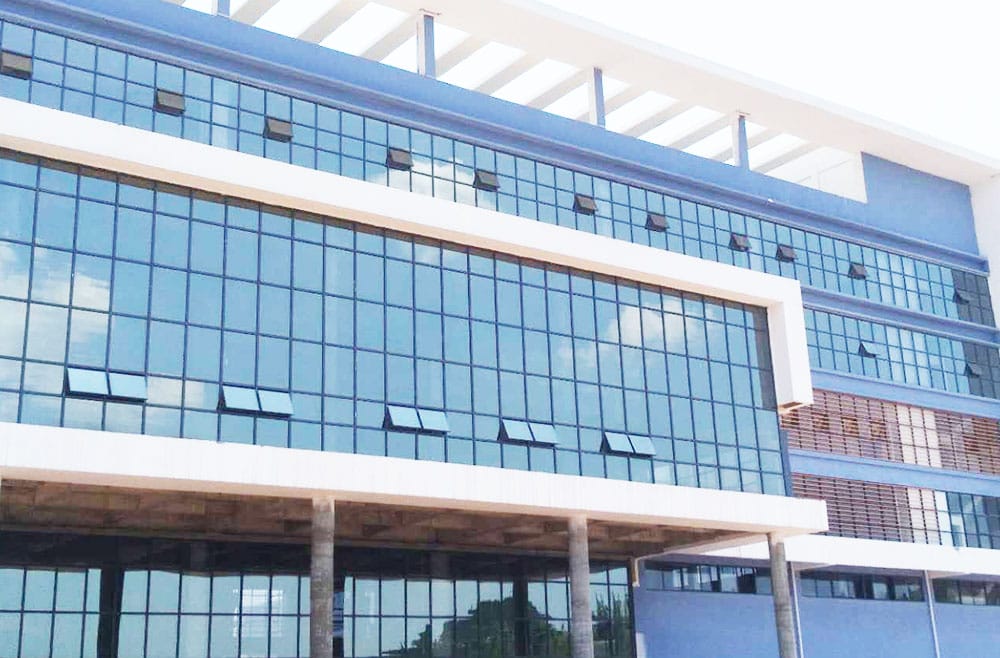
Glass curtain wall Facades have almost become the standard for high-rise office buildings, commercial complexes, hotels, and residential communities. The crystal-clear glass exterior not only makes a building look modern and elegant but also improves natural lighting and energy performance. However, when owners, developers, or design institutes move to the budgeting stage, the first unavoidable question is—how much does a glass curtain wall cost?
Some believe curtain walls are a luxury option and therefore must be expensive. Others have heard of poor-quality, low-cost installations in certain regions and remain cautious about pricing. In reality, glass curtain wall costs are not fixed; they are determined by multiple factors including design solutions, material choices, workmanship, and construction environment. For clients, the challenge is not only finding a reasonable price but also balancing safety, durability, and long-term maintenance costs—this is the real concern.
Key Features and Advantages of Glass Curtain Walls
1. Flexible pricing, heavily influenced by design schemes
Curtain wall costs vary depending on the system type. For example:
Stick curtain wall: Simple installation, typically 600–1000 RMB/m², suitable for small to mid-sized projects.
Unitized curtain wall: High level of prefabrication, fast installation, usually 1200–1800 RMB/m², ideal for high-rise towers or large complexes.
Point-supported glass wall: Superior transparency and aesthetics, often 1800–2800 RMB/m².
When consulting, clients should align the choice with budget and building positioning, instead of pursuing the lowest price alone.
2. Material selection defines the price range
Glass types: Common options include insulated glass, laminated glass, and Low-E energy-saving glass. Insulated glass is more affordable but has limited soundproofing and insulation, while Low-E glass costs more but significantly reduces energy use.
Aluminum profiles: Thickness and surface finishing methods can create a 20–30% cost difference.
For instance, a 30-story office building in Guangzhou using 6+12A+6 insulated glass may cost around 1200 RMB/m², while upgrading to 8+12A+8 laminated Low-E glass could raise costs beyond 1300 RMB/m².
3. Labor and construction impact total costs
Apart from materials, construction difficulty and project location matter:
In well-connected cities, transportation and installation efficiency keep costs relatively low.
In regions such as Africa, the Middle East, or remote areas, higher labor, equipment, and logistics costs can add 20% or more to the price.
This is why many overseas developers prefer Chinese prefabrication with local assembly—it ensures quality while controlling expenses.
4. Long-term performance benefits
Focusing only on unit price often overlooks operational savings. High-performance curtain walls deliver better energy efficiency, sound insulation, and durability, helping owners save significantly on cooling, electricity, and maintenance over 5–10 years. In other words, curtain wall costs should be seen as an investment, not just an expense.
Case Studies
1. Office Building Project in Shenzhen
Initially planned with standard insulated glass at 950 RMB/m², the design was upgraded to 8+12A+8 laminated Low-E glass, raising costs to 1300 RMB/m². However, energy calculations showed annual air-conditioning savings of around 300,000 RMB, recouping the cost difference within 3 years.
2. Five-Star Hotel in Nairobi
The developer worried about high import costs. After evaluation, a Chinese supplier provided a unitized curtain wall system priced at 1800 RMB/m². The project achieved international-level aesthetics, and the installation was completed two months faster than local contractors, minimizing revenue loss from construction delays.
3. Residential Complex Renovation in Shanghai
Concerned about high repair costs of aging Facades, the owner opted for partial replacement and reinforcement at 900 RMB/m². The project saved budget, refreshed the community’s image, and boosted property values.
These cases show that glass curtain wall costs are not just numbers, but part of a holistic solution tied to function, durability, and return on investment.
Comparison with Alternative Facade Solutions
1. Versus traditional brick walls
Brick walls are cheaper but visually outdated and provide poor natural lighting.
Curtain walls cost more but greatly enhance building appeal, making them ideal for commercial real estate and premium housing.
2. Versus painted Facades
Paint has a low upfront cost but requires recoating every 3–5 years, raising lifetime expenses.
Curtain walls only need regular cleaning and last 20+ years, offering better long-term value.
3. Versus stone Facades
Stone looks prestigious but is heavy, difficult to install, and usually 1200–2000 RMB/m².
Curtain walls are lighter, faster to construct, and more suitable for high-rises, with flexible price ranges.
Through comparison, it’s clear that glass curtain walls strike the best balance between cost, performance, and aesthetics—especially for modern buildings requiring both functionality and visual appeal.
For owners, developers, or contractors preparing a project, understanding the cost of glass curtain walls is only the first step. The key is partnering with a reliable supplier who can provide tailored solutions.
If you are wondering “How much does a glass curtain wall Facade cost?”—feel free to contact us for a detailed quotation and professional advice. We not only supply materials and installation but also provide energy analysis and cost optimization, ensuring that your investment creates a high-quality Facade with long-lasting value.
Get in touch today for a customized curtain wall solution—make your building more beautiful, energy-efficient, and valuable.

