
In modern urban construction, a building’s façade is far more than a “cosmetic feature.” It directly affects the building’s image, value, and user experience. With the continuous advancement of hidden frame glass curtain wall technology, this system has become the preferred choice for high-rise office towers, commercial complexes, hotels, and luxury residences. Compared with traditional curtain wall types, it offers unique advantages in aesthetics, performance, and safety.
Yet, many clients still ask: What exactly are the features of hidden frame glass curtain walls? How do they compare with exposed or semi-hidden frame systems? Are construction and maintenance costs reasonable?
As a consultant with 20 years of experience in the curtain wall industry, I will share insights from real projects to help you fully understand the value and application scenarios of hidden frame glass curtain walls, ensuring smarter decisions for your projects.
1. What Is a Hidden Frame Glass Curtain Wall?
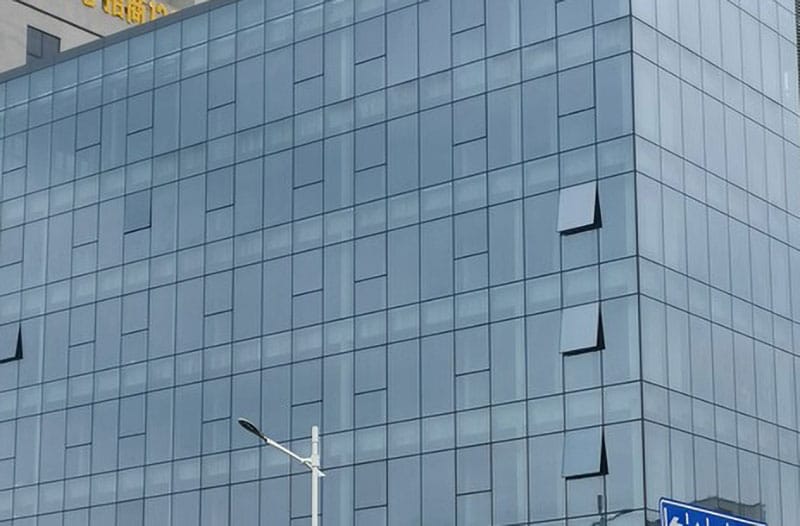
As the name suggests, a hidden frame glass curtain wall uses structural sealant or concealed metal fasteners to secure glass panels to the framing system, so the framework is not visible from the exterior. The result is a continuous glass surface that creates a clean, modern, and transparent appearance.
There are two main types:
Fully hidden frame: All four edges of the glass are concealed, creating the smoothest possible surface.
Semi-hidden frame: Vertical or horizontal frames are concealed, while the other direction shows slim visible lines, balancing simplicity with some structural rhythm.
This approach eliminates the overly visible framework of exposed curtain walls and delivers a pure, seamless façade—an important trend in contemporary architecture.
2. Key Advantages of Hidden Frame Glass Curtain Walls
1. Sleek Appearance, Elevated Building Image
One of the greatest advantages is the smooth and elegant façade, with almost no visible aluminum frames. This creates a strong sense of unity. For developers and architects, it significantly enhances the building’s modern appeal and prestige. In premium office towers, for example, clients often prefer this crystalline look, which boosts leasing and sales value.
2. Excellent Daylighting and Views
By minimizing frame obstruction, hidden frame designs create narrower joints between glass panels, allowing more natural light inside and offering wider views. For hotels and office buildings, this dramatically improves user experience and comfort.
3. Stable Structural Performance
Some clients worry about safety. In reality, modern hidden frame systems use structural sealants combined with tempered, laminated, or insulated safety glass. These provide excellent wind resistance, seismic performance, and impact resistance. In multiple high-rise projects I’ve worked on, hidden frame curtain walls have passed stringent performance tests and fully meet safety codes.
4. Energy Efficiency and Sustainability
With the rising demand for green buildings, hidden frame curtain walls are often paired with Low-E insulated glass. This ensures abundant daylight while delivering effective thermal insulation, reducing energy consumption. Over time, this translates into significant savings in air conditioning and lighting costs.
5. Flexible Design Compatibility
Hidden frame systems can be flexibly combined with other curtain wall forms. For example, a fully hidden system can be used on the main façades, while semi-hidden sections add subtle lines for balance. This flexibility enables both aesthetic appeal and functional performance.
3. Project Case Studies
Case 1: Premium Office Tower in Shenzhen
The project required a modern, minimalist appearance and adopted a fully hidden frame system. The completed façade looks like a massive mirror, creating a futuristic effect under sunlight. The developer reported that thanks to its striking appearance, leasing was faster than expected and average rents were 15% higher than comparable buildings in the area.
Case 2: Five-Star Hotel in the Middle East
With scorching summers in mind, the design team used semi-hidden frames combined with Low-E glass. This not only enhanced the façade’s beauty but also significantly reduced cooling loads. Data showed that in the first year, energy costs dropped by about 18%.
Case 3: Shopping Center in Africa
Located near busy roads, the developer chose a hidden frame insulated glass system to reduce noise. After opening, customer feedback highlighted improved comfort, and tenant satisfaction rose considerably.
4. Comparison with Other Curtain Wall Systems
Hidden Frame vs. Exposed Frame Curtain Walls
Exposed frame: Visible framing, lower cost, simpler installation.
Hidden frame: Seamless, high-end appearance, but requires more precise materials and workmanship.
Best suited for premium offices or hotels aiming for a prestigious image, while exposed frames remain an option for cost-sensitive projects.
Hidden Frame vs. Stone Curtain Walls
Stone façades: Durable and elegant, but heavy, expensive, and opaque.
Hidden frames: Lightweight, transparent, energy efficient, and more aligned with modern aesthetics.
Hidden Frame vs. Aluminum Panel Façades
Aluminum panels: Industrial, opaque, and often used for accents or industrial-style buildings.
Hidden frames: Bright, open, and far more effective in creating a modern, transparent look, especially at large scale.
5. Construction and Maintenance Considerations
1. High Installation Precision
Hidden frame systems rely heavily on structural sealants, so construction conditions and processes must be strictly controlled to ensure bonding strength. Experienced contractors are essential.
2. Sealant and Glass Compatibility
Structural sealants must be certified and compatible with both the glass and aluminum profiles. Using inferior sealants may lead to durability problems.
3. Maintenance and Cleaning
With their flat surfaces, hidden frame curtain walls are relatively easy to clean. However, sealant joints should be regularly inspected to prevent aging or leakage.
6. Price Analysis of Hidden Frame Curtain Walls
Many clients ask: What is the cost of hidden frame glass curtain walls?
Prices vary depending on:
Glass type (tempered, laminated, insulated, Low-E)
Curtain wall type (fully hidden vs. semi-hidden)
Building height and construction complexity
Local labor and transportation costs
In major Chinese cities, prices typically range from RMB 1,200 to 1,800 per m². In regions such as Africa or the Middle East, additional transportation and import duties may increase costs. However, considering long-term savings and added property value, hidden frame curtain walls remain a highly cost-effective investment.
The advantages of hidden frame glass curtain walls extend beyond aesthetics. They deliver superior daylighting, energy efficiency, safety, and design flexibility. For projects seeking long-term value and a high-end image—such as office towers, hotels, and commercial complexes—this is a solution well worth the investment.
If you are planning such a project, it’s best to engage curtain wall experts early in the design stage. This ensures the most balanced outcome in both performance and appearance.
With over 20 years of industry experience, we provide professional consultation and turnkey solutions for hidden frame curtain walls, helping your project stand out in a competitive market.

