
Factors affecting the price of architectural glass curtain walls

In the decoration of exterior curtain walls, I believe that glass curtain walls are everyone’s first choice. Glass curtain walls are transparent, beautiful and functional, and are suitable for all types of buildings, including commercial complexes, office buildings, hotels, factories, office buildings and other buildings. Glass curtains are so important, so do you know how much glass curtain walls cost and what are the factors affecting the price of glass curtain walls?
1. All materials of glass curtain walls
The material cost of glass curtain walls accounts for 50%~70% of the total cost, mainly including glass, frame materials, sealants and hardware accessories.
1. Curtain wall glass materials
Ordinary single-layer glass: the lowest cost, but poor thermal insulation and sound insulation performance, mostly used in low-budget projects. Paul laminated glass, hollow glass, Low-E glass: coated with a low-radiation film layer, can reflect infrared rays, and has significant energy-saving effects, but the cost is 20%~30% higher than ordinary hollow glass.
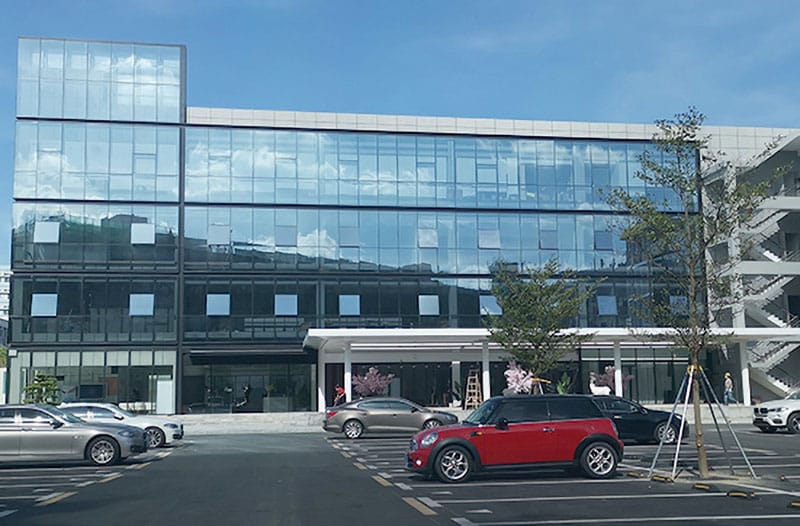
Price of architectural glass curtain walls

2. Frame material
Aluminum alloy profiles: light and corrosion-resistant, it is the mainstream choice.
Stainless steel/steel: high strength but heavy weight, mostly used for supporting structures.
Broken bridge aluminum profile: the inner and outer layers are separated by insulation strips to reduce heat conduction, and the cost is 25%~40% higher than ordinary aluminum profiles.
3. Sealing materials and hardware accessories
The quality of silicone structural adhesive and weather-resistant adhesive directly affects the life of the curtain wall
The material (stainless steel is better than aluminum alloy) and brand premium of hardware accessories (such as docking claws and hinges) significantly affect the cost.
2. Design and construction: the key to technical added value
1. Design complexity
Geometric shape: Flat curtain wall has the lowest cost, curved, special-shaped or hyperbolic design requires customized processing, and the cost increases by 30%~50%.
Structural system: Frame curtain wall has a lower cost; unit curtain wall requires prefabricated modules, which is easy to install but has a high unit price; point-supported curtain wall (fixed with docking claws) has high precision requirements and the cost increases by 20%~40%.
Energy-saving design: Curtain walls that meet LEED or green building standards need to use high-performance glass and insulation frames. The initial cost increases by 10%~20%, but the long-term energy-saving benefits are significant.
2. Construction technology and difficulty
Installation height: Super high-rise buildings need to use tower cranes or hanging baskets, and safety measures and labor costs increase.
Node processing: Details such as corners and closings need to be carefully constructed, and complex nodes may increase costs by 5%~10%.
Schedule pressure: Shortening the construction period requires increased manpower and equipment investment, which may cause rush fees.
III. Project characteristics: scale and geographical factors
1. Project scale
Large projects (such as more than 50,000 square meters) can reduce the unit price of materials through large-scale procurement, but the total cost is higher.
Due to the high degree of customization, the unit area cost of small projects may increase by 10%~15%.
2. Geographical location
Transportation costs: Remote areas or overseas projects need to bear high logistics costs. For example, the transportation cost in inland areas is 8%~12% higher than that in coastal areas.
Climate conditions: Antifreeze sealant is required in severe cold areas; structural design needs to be strengthened in areas prone to typhoons, which will increase costs by 5% to 10%.
2. Market competition
First-tier brands (such as Yuanda and Jianghe Curtain Wall) offer 20% to 30% higher prices than small and medium-sized manufacturers due to technology and service premiums.
Regional suppliers may have price advantages in local projects.
V. Other potential factors
1. Maintenance cost: Self-cleaning glass or easy-to-replace design increases initial investment but reduces long-term maintenance costs.
2. Technological innovation:
3. Project positioning: Landmark buildings often pursue design effects regardless of cost, while ordinary commercial projects pay more attention to cost-effectiveness.
In short, the price of glass curtain walls is not single. It takes into account glass curtain wall materials, construction difficulty, design difficulty, transportation, etc. If you have any questions about the price of glass curtain walls, please feel free to consult.

发表评论

您的邮箱地址不会被公开。 必填项已用 * 标注