
In contemporary architecture, an elevator glass curtain wall that combines functionality with visual appeal can become a striking focal point of a building. Understanding elevator glass curtain wall pricing is therefore a critical step—not only for accurate budget planning, but also for ensuring long-term performance, safety, and maintenance efficiency.
This article provides an objective analysis of the key factors influencing elevator glass curtain wall prices, helping you make informed and forward-looking investment decisions.
Key Factors Affecting Elevator Glass Curtain Wall Pricing
1. Core Materials: Quality Defines Value
Glass Selection
Glass accounts for the largest portion of the overall cost and largely determines pricing:
Single tempered glass: The most economical option.
Laminated glass: Enhanced safety performance at a higher cost.
Low-E insulated glass units (IGU): Ideal for energy efficiency and thermal control, with pricing increasing based on coating performance and configuration.
Specialty glass (fire-rated, ceramic fritted, ultra-clear): Significantly increases the overall budget.
Aluminum Profiles
As the structural backbone of the curtain wall, aluminum profiles impact both durability and cost. Pricing varies based on:
Wall thickness and alloy grade
Surface treatment (powder coating, fluorocarbon coating, anodizing)
Accessories and Supporting Materials
While often overlooked, these components are critical to long-term performance:
Structural and weather-resistant silicone sealants
Hardware (stainless steel fittings, spider connectors, operable components)
Gaskets (EPDM vs. standard rubber)
Differences in quality here can create noticeable cost gaps while directly affecting airtightness, watertightness, and service life.
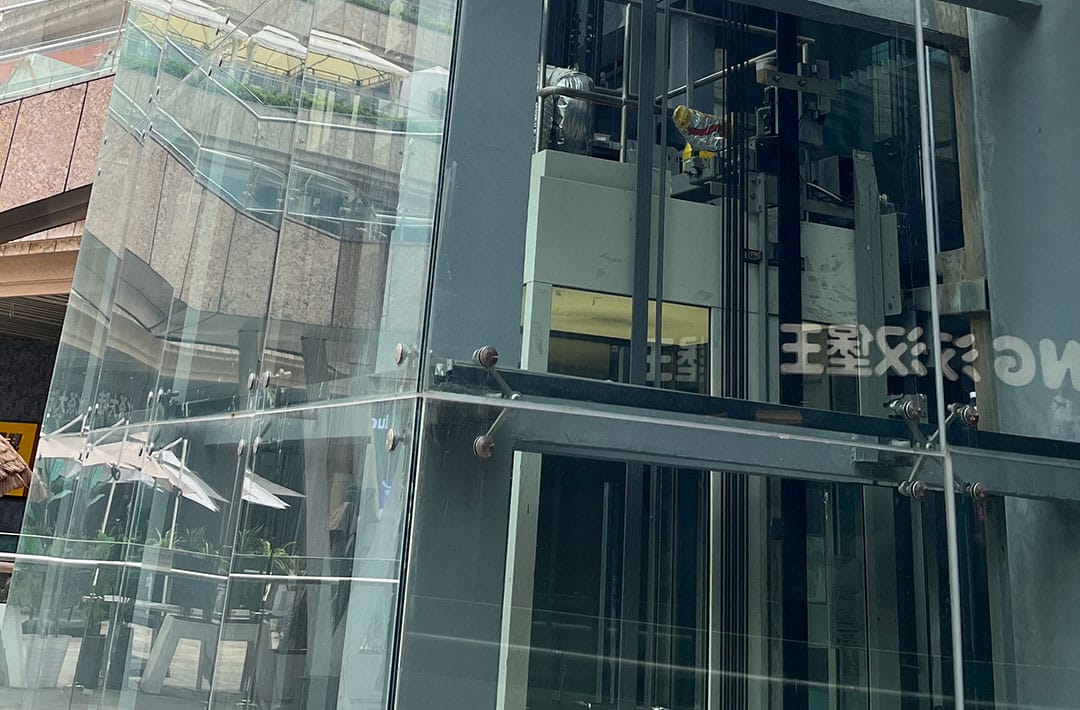
2. Design and Functional Complexity: Labor and Precision Matter
Architectural Form
Flat panel systems offer the most cost-effective solution.
Curved or irregular geometries, especially those requiring bent tempered glass, substantially increase fabrication difficulty and cost.
Curtain Wall Systems
Framed systems: Simple installation and strong cost efficiency.
Unitized curtain walls: High factory prefabrication, faster on-site installation, but higher upfront manufacturing costs.
Point-supported systems: Maximum transparency and aesthetics, but require high-precision structural support and premium hardware, resulting in higher prices.
Integrated Functional Systems
Add-ons such as intelligent ventilation, motorized shading, or smart control systems increase technical integration complexity and raise overall pricing.
3. Installation Conditions: Hidden Cost Variables
Site Constraints
Factors such as installation height, limited workspace, retrofit conditions, and requirements to protect existing elevator operations can significantly increase labor and safety costs.
Project Location
Projects in major metropolitan areas typically face higher labor, equipment rental, and management expenses compared to secondary cities.
Construction Schedule
Nighttime installation, off-hour work, or compressed timelines require additional manpower and logistical arrangements, increasing total costs.
Typical Price Ranges (Reference Only)
Elevator glass curtain walls are highly customized products, resulting in wide price variations:
Basic configurations (single glass + standard aluminum): approximately USD 140–200 per m²
Mid- to high-end projects (Low-E insulated glass, fluorocarbon-coated aluminum, moderate complexity): typically USD 220–380 per m²
Advanced systems with complex geometry, high-performance energy-saving glass, or special functions can exceed USD 450 per m²
2025 Market Insights:
International brands generally quote 20–50% higher than leading domestic manufacturers.
Elevator renovation projects in major city centers are typically 15–30% more expensive than similar projects in secondary markets.
Making a Smart Investment: Beyond Initial Pricing
An elevator glass curtain wall is not a one-time purchase, but a long-term building system. Focusing solely on the lowest initial price may lead to inferior materials, poor workmanship, limited warranty coverage, and high future maintenance or replacement costs.
A value-oriented approach includes:
1. Clearly defining project requirements
Establish performance expectations for aesthetics, safety, energy efficiency, and maintenance to avoid over- or under-specification.
2. Relying on professional system design
Experienced engineering teams can optimize material combinations and structural solutions to achieve the best cost-performance balance.
3. Evaluating suppliers comprehensively
Certifications, project experience, supply chain stability, quality control, and responsive after-sales service are critical factors that influence the true lifecycle cost—not just the initial price.
About Zhongdong Curtain Wall
With over 12 years of dedicated experience in the curtain wall industry, Zhongdong Curtain Wall specializes in comprehensive glass curtain wall system solutions. We have successfully delivered more than 100 large-scale projects, including premium office towers, five-star hotels, and commercial complexes.
We are committed to a client-centric approach and offer:
Free preliminary consultation and system proposals
Detailed shop drawing development
Complimentary material samples for selection
Our vertically integrated manufacturing facility, experienced project teams, and rigorous quality control system ensure optimized material costs, reliable quality, and controlled project schedules.
Beyond installation, we provide full lifecycle inspection, maintenance, and repair services, backed by long-term technical support—ensuring lasting performance and peace of mind.

