
With the rapid growth of modern urban construction, more commercial complexes, office towers, and luxury residences are adopting glass curtain walls. They not only make buildings look stylish and impressive but also play a key role in energy efficiency, natural lighting, and overall comfort.
One of the most common questions from owners and developers is: What is the real cost of a glass curtain wall?What factors influence the price, and how can you choose the right solution?
To give you a clearer picture of the cost structure and value of glass curtain walls, ZDMQ has prepared this FAQ guide.
1. What is a Glass Curtain Wall?
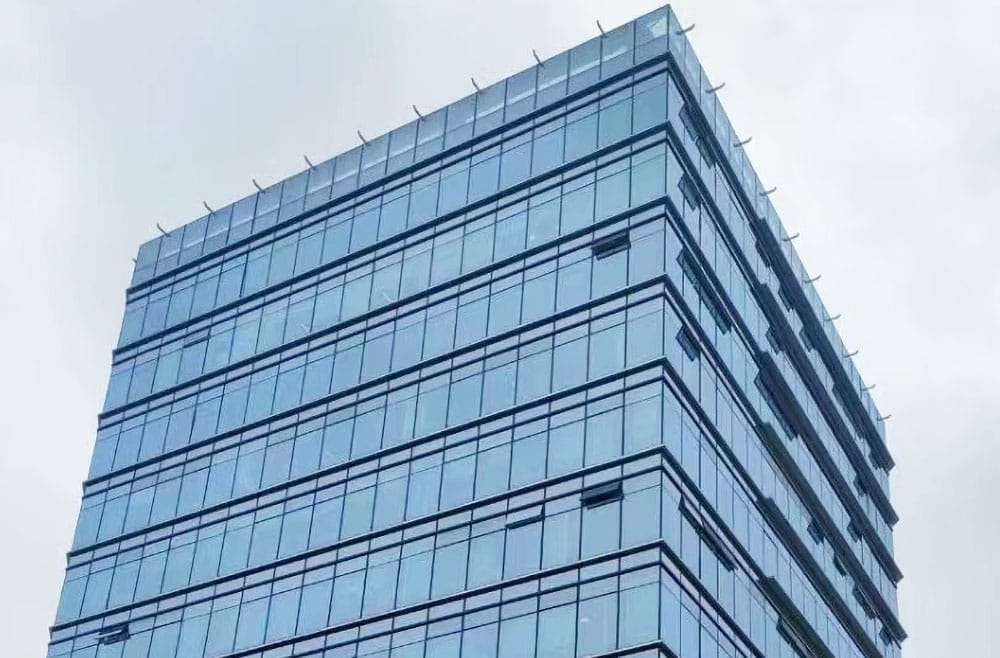
A glass curtain wall is a building envelope system that uses glass as the main exterior material, supported by a metal frame (usually aluminum alloy or stainless steel). It is not just a decorative “skin,” but a system that combines both aesthetics and functionality.
Common types of glass curtain walls include:
Full-glass systems: Minimal visible framing, providing maximum transparency.
Unitized systems: Prefabricated in the factory and assembled on-site for higher quality control.
Stick (frame-type) systems: Installed piece by piece on-site, flexible for complex shapes.
Point-supported systems: Glass panels fixed with metal fittings, creating a lightweight and modern appearance.
Costs vary depending on the type, glass materials, metal components, and installation method.
2. What Are the Advantages of Glass Curtain Walls?
Some clients ask, “Why choose glass curtain walls? Aren’t they more expensive than traditional walls?”
In fact, the benefits go far beyond appearance:
1. Modern aesthetics– Transparent or semi-transparent glass gives buildings a contemporary and elegant look.
2. Natural daylighting– Large glazed areas bring in abundant sunlight, reducing daytime lighting costs.
3. Energy efficiency– Using Low-E, insulated, or laminated glass can reduce air-conditioning loads significantly.
4. Comfort– Excellent thermal and acoustic insulation improves living and working conditions.
5. Durability– Modern systems perform well in wind resistance, waterproofing, and corrosion protection.
Although the initial investment is often higher than brick walls or paint finishes, glass curtain walls reduce long-term energy use and maintenance costs, offering better overall value.
3. How Much Does a Glass Curtain Wall Cost?
This is one of the most frequently asked questions.
The cost is generally composed of:
Glass materials– Basic float glass is cheapest, while insulated, laminated, or Low-E glass is more expensive.
Frames and fittings– Aluminum and stainless steel vary in thickness and quality, influencing cost.
Processing and installation– Complex shapes or unitized systems require higher precision and labor.
Design and engineering– Includes structural calculations, project design, and management fees.
Maintenance– Long-term upkeep should be factored into total cost.
Typical market reference prices (for reference only):
Standard stick system: 1,000–1,500 RMB/m²
Energy-efficient insulated glass system: 1,500–2,200 RMB/m²
Unitized system: 1,900–2,900 RMB/m²
High-end point-supported system: 2,500 RMB/m² and above
Actual costs vary depending on design, project complexity, and local labor rates.
4. How Does Performance Vary by Application?
Different projects have different requirements, which directly affect costs:
Commercial complexes: Prioritize visual impact and transparency; typically use large glass areas, resulting in higher costs but greater commercial value.
Office buildings: Emphasize energy efficiency and comfort; insulated Low-E glass is common, with higher upfront costs but long-term energy savings.
Hotels and luxury residences: Require a sense of luxury and good acoustic performance; laminated or hybrid systems are popular.
Industrial parks and factories: Focus on practicality and durability; stick systems or glass-metal combinations are cost-effective.
Thus, glass curtain walls are not always “expensive”—they can be adapted to fit different budgets and project goals.
5. What Factors Influence the Cost?
Beyond material and system type, several other factors matter:
1. Building height and location– High-rise projects or sites in typhoon/earthquake zones require stronger systems.
2. Design complexity– Curved, irregular, or double-curved facades increase difficulty and cost.
3. Energy performance– High-spec materials like thermal-break aluminum or Low-E glass cost more.
4. Construction schedule– Tight deadlines may require additional manpower and overtime.
5. Supplier services– Some suppliers provide full design-to-maintenance services, while others only handle single stages.
6. How to Choose the Right Supplier?
Choosing the right curtain wall partner is often more important than focusing solely on cost. Consider:
1. Qualifications– Proper construction licenses, ISO certifications, etc.
2. Manufacturing capability– Modern production lines that ensure accuracy and efficiency.
3. Project experience– Proven track record in projects of similar scale and type.
4. Service system– Ability to deliver design, engineering, installation, and after-sales support.
5. Value for money– Look beyond unit price; consider long-term savings in energy and maintenance.
7. Can Glass Curtain Wall Costs Be Reduced?
Yes. With proper planning, you can control expenses effectively:
Optimize material selection– Choose cost-effective glass and frames that still meet performance needs.
Modular design– Standardized, unitized systems reduce on-site complexity.
Compare proposals– Evaluate multiple suppliers for the best balance of quality and price.
Think long-term– Energy-efficient glass may cost more initially but reduces long-term expenses.
8. Are Maintenance Costs High?
Many clients worry about upkeep. In fact, with proper installation, modern systems are highly durable and require minimal maintenance.
Typical maintenance includes:
Regular cleaning of glass for appearance and lighting.
Inspection of seals and waterproofing.
Replacement of damaged glass or hardware as needed.
On average, annual maintenance costs are about 1%–2% of the total investment.
The cost of a glass curtain wall is not a fixed number—it depends on materials, design, installation complexity, application, and supplier services. For developers and owners, the key is to understand the cost structure and choose a solution tailored to project needs.
Glass curtain walls are not only the “face” of a building but also a critical system that defines comfort, safety, and energy performance. By working with a reliable supplier and selecting the right design, you can control costs while maximizing both the value and image of your building.

