
Semi-exposed and fully exposed frame glass curtain walls are two of the most common curtain wall systems used in modern architecture. When selecting between them, architects, developers, and facade contractors must evaluate multiple factors together. Neither system is inherently superior—the right choice depends entirely on project goals, performance requirements, and budget considerations.
1. Structural Expression & Visual Impact: Which Defines the facade?
Exposed Frame Glass Curtain Wall: A Statement of Structure and Order
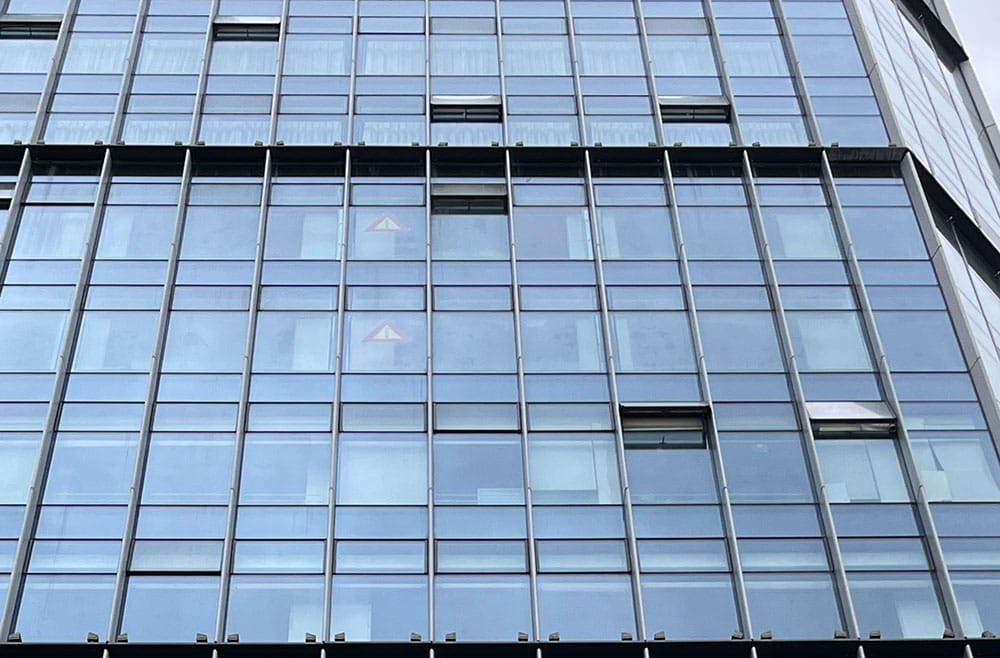
In an exposed frame system, the aluminum (or other metal) framing that supports the glass is fully visible on the exterior. The horizontal and vertical grid lines clearly divide the glazing panels, creating a strong sense of order, rhythm, and geometric precision.
This system conveys a modern industrial aesthetic. The visible structural lines give buildings a solid, refined, and disciplined appearance. It is particularly suitable for public buildings, office towers, and projects that emphasize structural clarity, strength, and architectural rhythm.
Semi-Exposed Frame Glass Curtain Wall: Transparency with Modern Elegance
A semi-exposed frame system represents a balanced aesthetic approach. Either the horizontal or vertical framing members are concealed behind the glass or toward the interior side, while the remaining direction remains visible from the exterior.
By reducing the visible metal lines, the glass surface appears more continuous and seamless, creating a lighter, cleaner, and more transparent facade. This design enhances a building’s modern, sophisticated, and even futuristic character. It is widely favored for commercial complexes, exhibition spaces, and projects that pursue visual purity and facade continuity.
2. Performance Considerations: A Balanced Technical Evaluation
Structural Stability & Load Transfer
Exposed Frame System
With fully visible framing and clearly defined joints, load paths are straightforward and structurally reliable. Four-sided mechanical support enhances overall stability, especially for large glass panels. The system generally performs well under wind loads and is considered structurally robust.
Semi-Exposed Frame System
Because one direction of support is concealed, the system demands higher precision in joint detailing and fabrication. Glass panel rigidity and installation accuracy become more critical to ensure structural safety. Overall stability may be slightly lower than fully exposed systems, making it more suitable for medium or smaller panel sizes.
Air & Water Tightness, Thermal Performance
Exposed Frame System
External joints are accessible and easier to inspect, making it simpler to ensure proper sealant application and waterproofing. However, the visible aluminum framing can create thermal bridges. In extreme climates, enhanced thermal break systems are necessary to meet higher energy-efficiency standards.
Semi-Exposed Frame System
Concealed joints require higher fabrication precision and stricter installation control to ensure initial sealing performance. However, the reduced visible metal framing decreases exposed thermal bridge areas. When combined with high-performance glazing, this system can more easily achieve improved overall thermal insulation and energy efficiency.
Construction Cost & Installation Timeline
Exposed Frame System
This system uses mature, standardized construction methods. Components are easier to fabricate and install, and alignment is directly visible during installation. As a result, it typically offers better cost control, faster installation, and shorter project timelines.
Semi-Exposed Frame System
The increased structural complexity and concealed detailing demand higher manufacturing precision and tighter on-site quality control. This often results in higher material and labor costs, along with longer installation schedules. Projects with strict budget or time constraints should evaluate this carefully.
Maintenance & Long-Term Serviceability
Exposed Frame System
All structural joints are visible and easily accessible for routine inspection. Glass replacement or sealant repairs are relatively straightforward, leading to lower long-term maintenance costs and faster response times.
Semi-Exposed Frame System
Some structural components are concealed, making inspection and repair more complex. Maintenance may require removal of interior finishes, increasing labor and cost. Long-term performance heavily depends on initial installation quality and consistent maintenance planning.
3. Making the Right Decision: Aligning System Choice with Project Goals
When asking, “Which is better—semi-exposed or exposed frame curtain wall?” the answer always depends on the specific project requirements.
If the priority is strict budget control, tight construction schedules, maximum structural reliability, easy maintenance, and a clear industrial aesthetic, the exposed frame system is often the more practical solution.
If the goal is to achieve superior visual transparency, a lighter architectural appearance, enhanced modern expression, and improved energy performance—and the project can support higher fabrication precision and construction management standards—the semi-exposed frame system may be the ideal choice.
Professional Execution Makes the Difference
Regardless of the system selected, precise engineering, fabrication, and installation determine the final performance and value of the curtain wall.
With extensive expertise in glass curtain wall solutions and experience across more than 200 completed projects, a professional facade team can provide end-to-end services—from new high-end curtain wall construction to complex renovation and maintenance work.
Services may include:
Complimentary design consultation and preliminary customized curtain wall schemes
Physical system samples for material and craftsmanship evaluation
Strict quality control at every fabrication and installation stage
Dedicated after-sales support to ensure long-term safety, durability, and aesthetic performance
If your project is currently at the critical selection stage, or if you are seeking the optimal balance between quality and cost, engaging with an experienced curtain wall specialist can ensure informed decision-making and efficient execution.
Let your facade become a durable, safe, and visually compelling architectural statement—built on precision, expertise, and long-term reliability.

