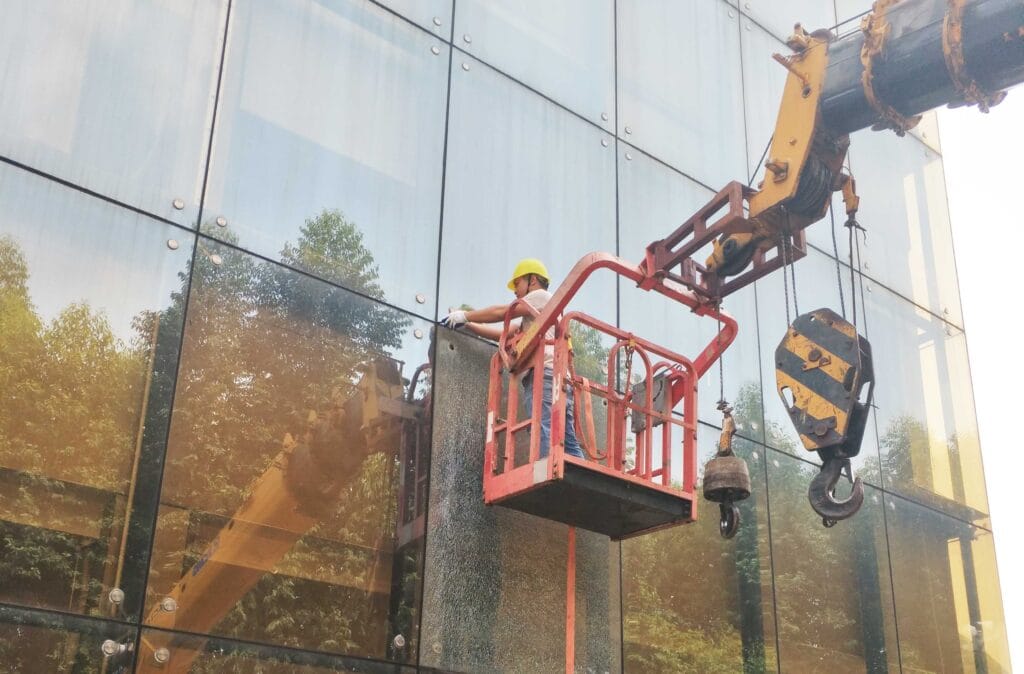
Steps for Glass Curtain Wall Replacement
Glass curtain walls are not only a defining element of a building’s exterior appearance, but also play a crucial role in structural performance, energy efficiency, and safety.

Glass curtain walls are not only a defining element of a building’s exterior appearance, but also play a crucial role in structural performance, energy efficiency, and safety.
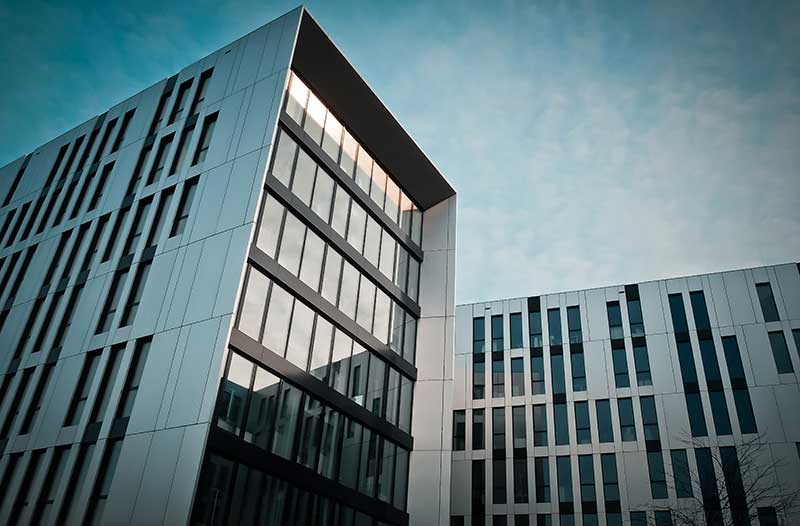
As Ghana’s urbanization accelerates and commercial buildings and high-end residences continue to emerge, glass curtain walls have become a preferred choice for many modern projects.
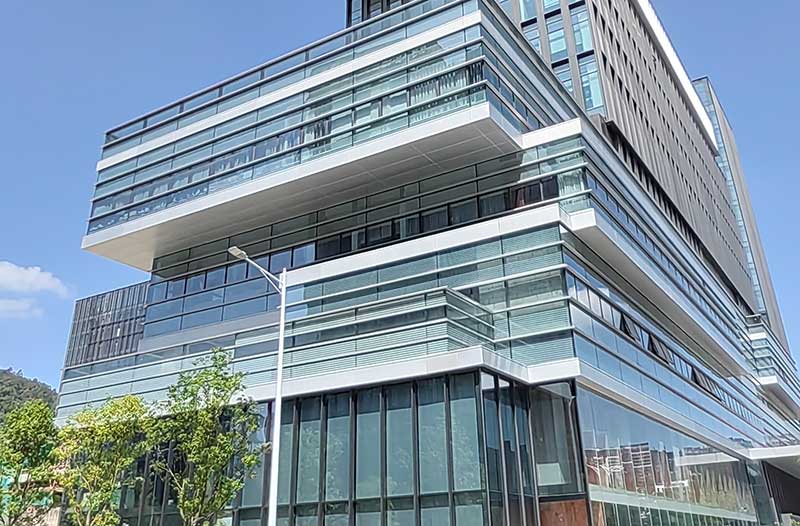
Whether for towering city landmarks or energy-efficient office buildings, curtain walls not only provide structural protection but also embody the technological identity and design language of a building.
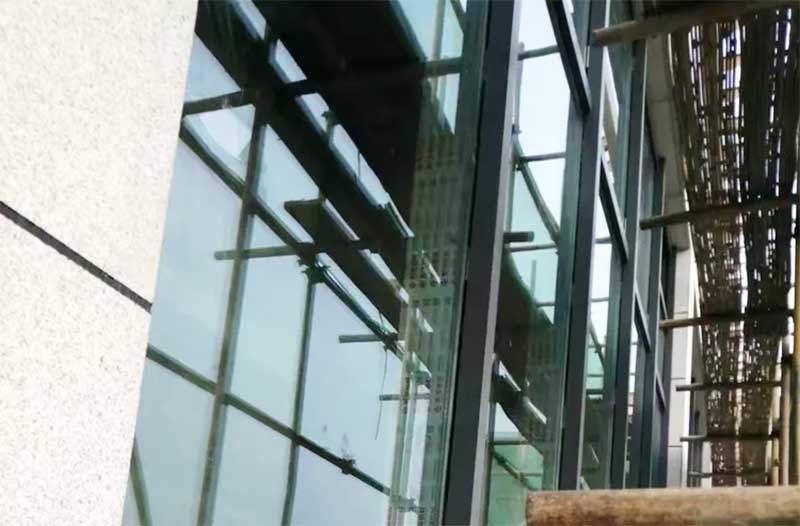
Whether in high-rise office towers, large-scale commercial complexes, or urban mixed-use developments, aluminum curtain wall systems have become the preferred facade solution for architects and developers alike—thanks to their superior performance, design flexibility, and modern appearance.
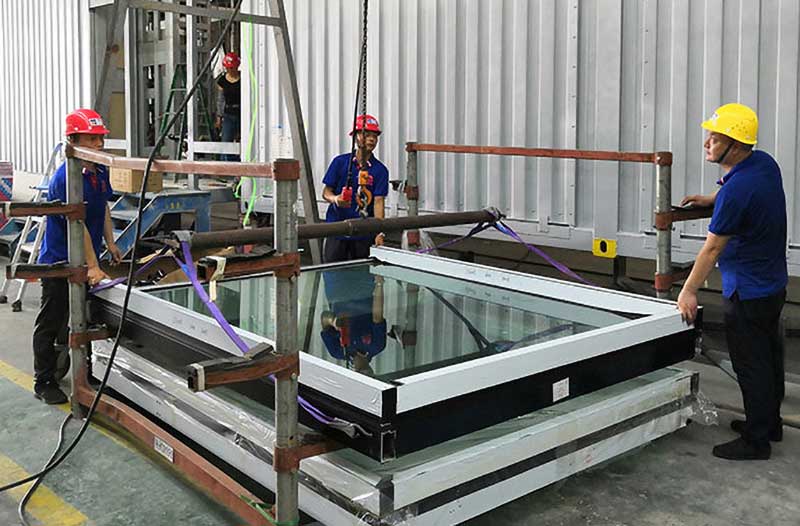
Such as glass curtain walls, aluminum windows and doors, and stone cladding systems—have become essential components of architectural design and construction
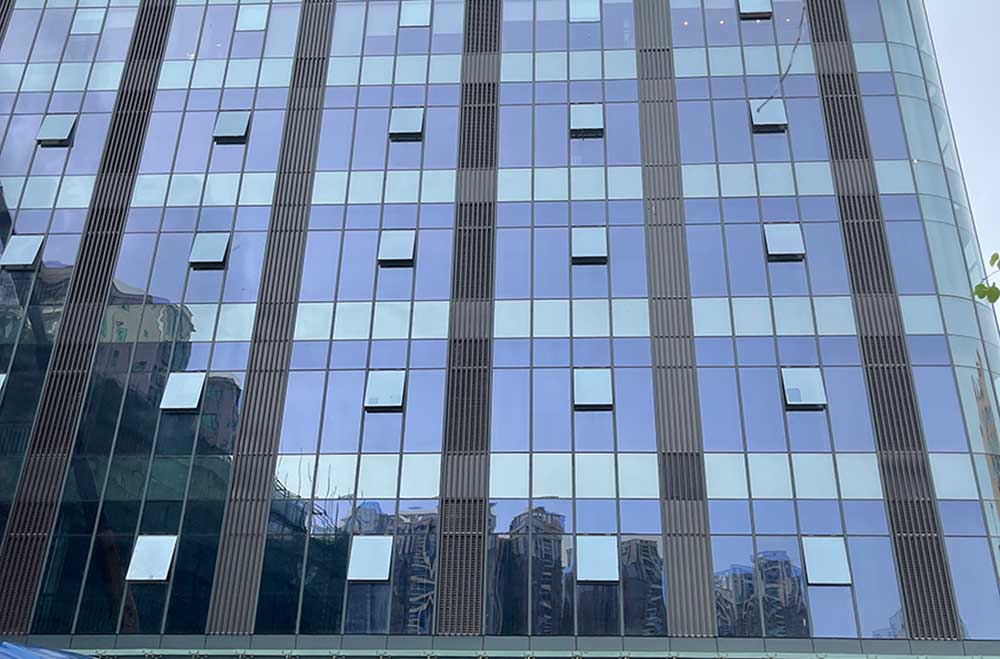
Among the most widely used systems are unitized curtain walls and stick curtain walls. This article analyzes the differences between the two in terms of cost, installation, performance, and application, providing practical insights for professionals across the global construction industry.
The Difference Between Unitized and Stick Curtain Walls Read More »
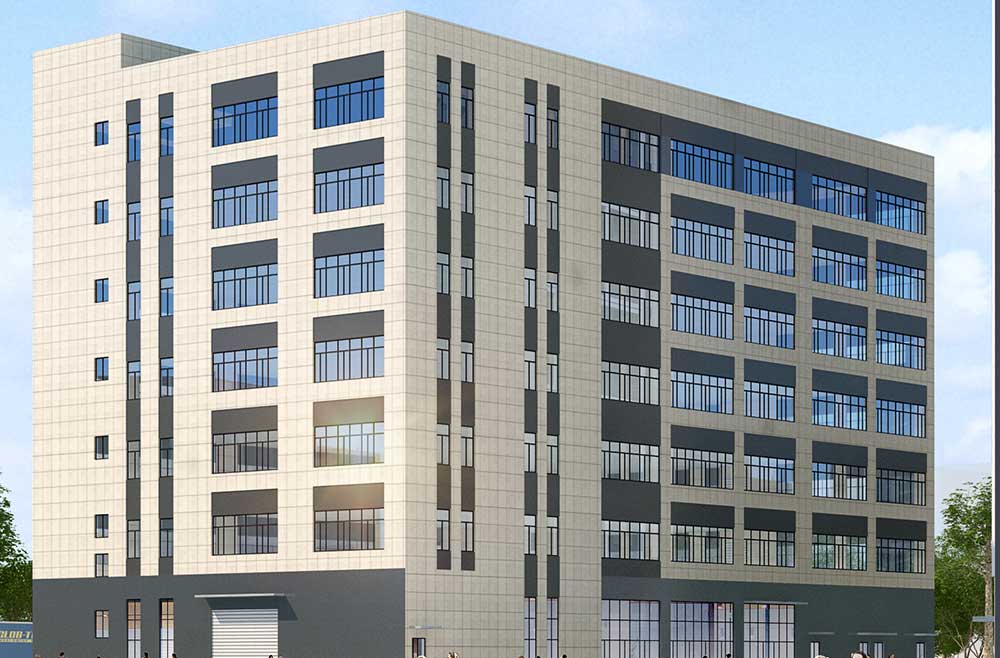
The choice of building facades directly impacts cost, performance, and aesthetics. Among the most common systems, window walls and curtain walls are often confused.
The Difference Between Window Walls and Curtain Walls Read More »
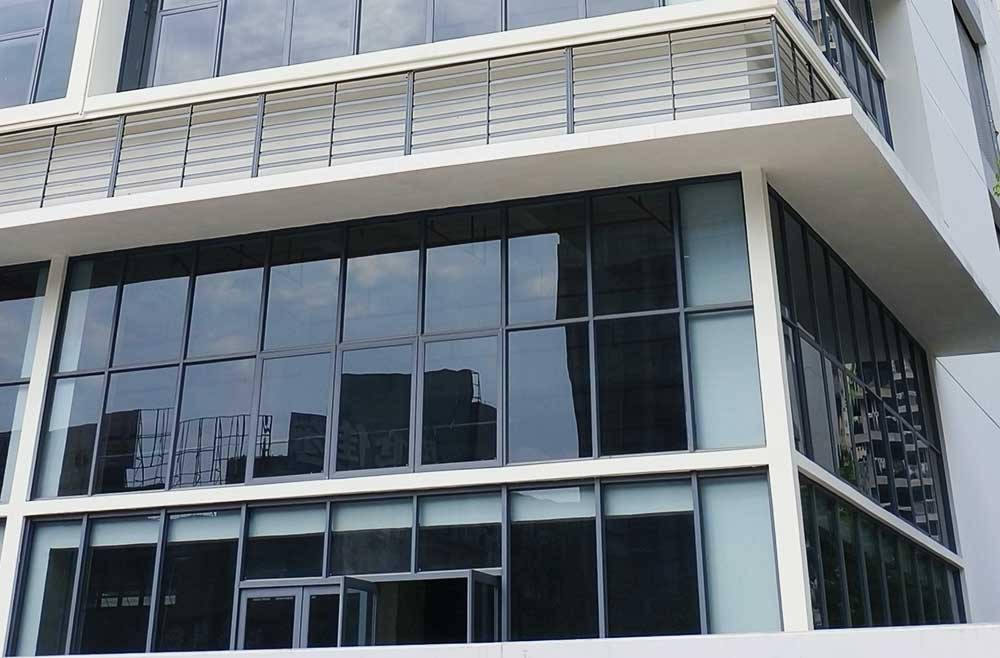
From skyscrapers to modern commercial complexes, from international airports to luxury hotels, glass curtain walls have become a defining facade solution that represents modernization and global integration.
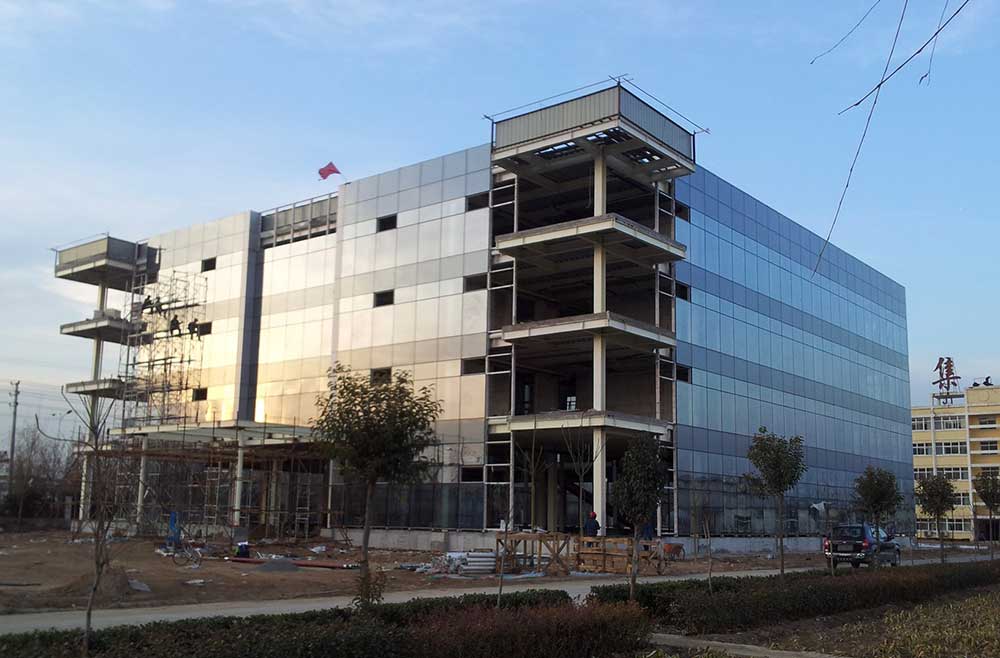
As buildings grow taller and designs more complex, traditional curtain wall systems face limitations in structural capacity, spanning ability, and design flexibility.
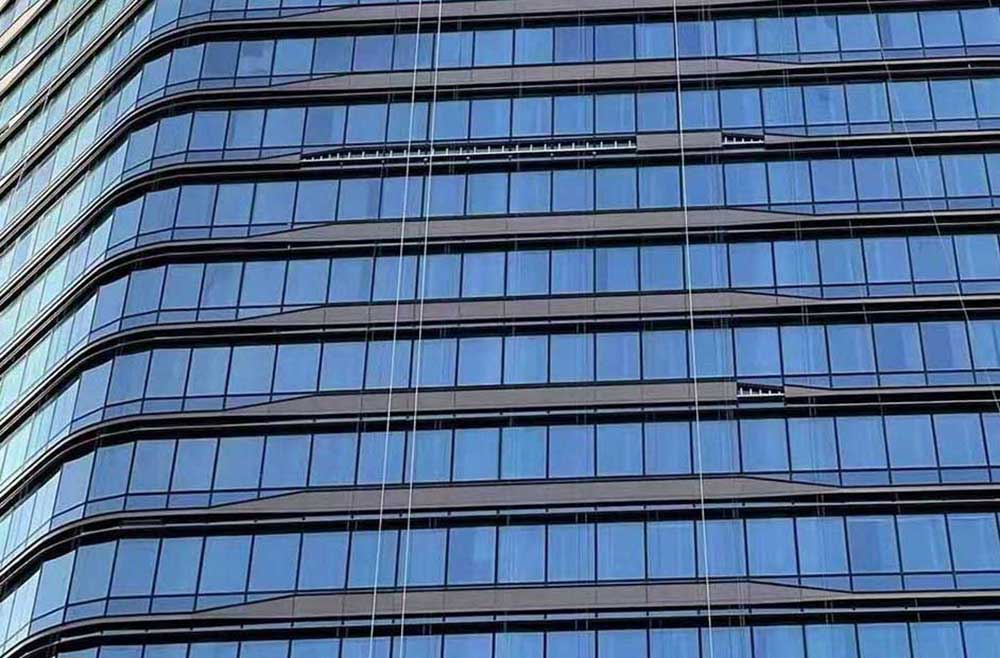
Among the many facade systems, the semi-unitized glass curtain wallhas attracted increasing attention from architects, contractors, and developers worldwide. By combining the strengths of stick and unitized systems, it offers an excellent balance of performance, installation efficiency, and aesthetics.
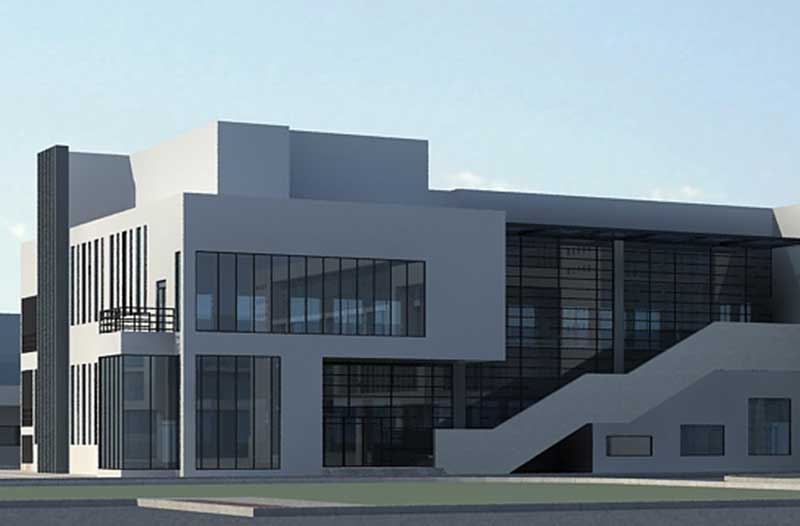
By combining the advantages of multiple curtain wall technologies and materials, they provide flexible and efficient solutions for complex building projects. This article explores the features, benefits, applications, and future trends of hybrid curtain wall systems.