
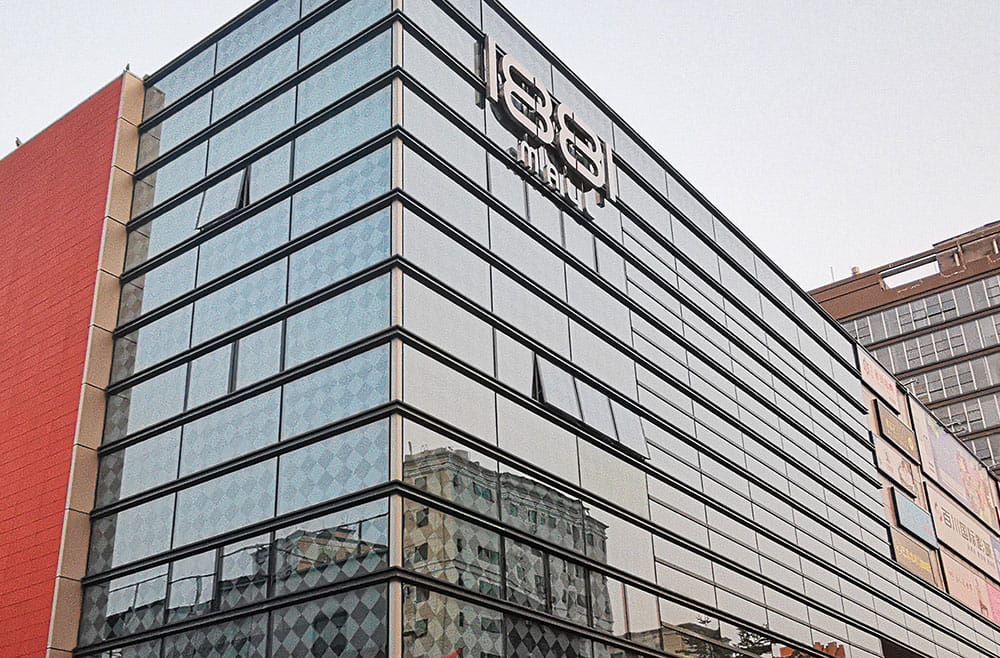
An aluminum glass curtain wall has become an essential element of modern architectural aesthetics. With its transparent appearance and strong structural performance, it is widely used in commercial buildings, office towers, and public facilities.
For developers and property owners planning to install or renovate a curtain wall system, one question always comes first:
How much does an aluminum glass curtain wall cost per square meter, including materials and installation?
Although the question seems straightforward, the answer depends on many project-specific factors. Below is a detailed breakdown of the key elements that influence curtain wall pricing.
Key Factors That Directly Affect Curtain Wall Costs
1. Material Grade and Brand
Glass
Glass is one of the most important cost components.
Common options include:
Single-pane glass
Insulated glass (with or without inert gas filling)
Low-E (low emissivity) glass
Ultra-clear glass
Ceramic frit glass
Laminated safety glass
Fire-resistant glass
Prices vary significantly between these options. For example,double-silver Low-E insulated glass is much more expensive than standard float insulated glass and can account for40%–60% of the total curtain wall material cost.
Aluminum Profiles
Aluminum profiles form the structural framework of the curtain wall and determine its durability and safety.
Key price factors include:
Profile thickness (whether it meets or exceeds national standards)
Surface treatment process
Powder coating
Fluorocarbon coating
Wood-grain transfer finish
Brand reputation
High-endfluorocarbon-coated aluminum profiles can be significantly more expensive than standard powder-coated profiles.
Hardware and Accessories
Hardware quality greatly affects the long-term performance of the curtain wall system.
Examples include:
Window hardware systems (brands such as Roto or Siegenia vs. standard domestic brands)
EPDM sealing strips
Structural silicone sealant and weatherproof sealant
(well-known brands include Dow, Baiyun, and Zhongyuan)
Higher-quality components improve safety and durability but also increase costs.
2. Structural System and Design Complexity
Curtain Wall System Type
Different structural systems vary significantly in complexity and cost:
Stick-built (framed) curtain wall
Semi-hidden frame curtain wall
Fully hidden frame curtain wall
Point-supported curtain wall
Unitized curtain wall
For example:
Unitized curtain walls are factory-assembled and faster to install but usually have higher initial costs.
Point-supported systems require specialized spider fittings and structural glass, which also increases costs.
Large-scale commercial buildings often adoptunitized curtain wall systems.
Architectural Design Complexity
Flat curtain walls are generally much cheaper than complex designs such as:
Curved facades
Zigzag or folded facades
Oversized panels
Sloped curtain walls
Special shading structures
Complex designs require:
Detailed structural calculations
Custom materials (such as curved glass)
More difficult installation processes
Opening Window Ratio
Operable windows (tilt, top-hung, or side-hung) require additional hardware systems and structural components.
A higher ratio of operable panels will increase bothmaterial usage and labor costs.
3. Construction Difficulty and Project Scale
Building Height and Safety Requirements
Curtain wall installation forhigh-rise buildings requires specialized equipment such as:
Tower cranes
Gondola systems
Large-scale scaffolding
Higher buildings require stricter safety protection measures, which significantly increases labor and equipment costs.
For example:
Curtain wall installation on a500-meter skyscraper is far more expensive than installation on afive-story commercial building.
Site Conditions
Construction costs can also be affected by:
Limited construction space
Transportation difficulties
Nearby building restrictions
All of these factors can reduce efficiency and increase labor costs.
Project Size
Large projects usually benefit from:
Bulk material purchasing discounts
More efficient labor organization
As a result,larger curtain wall projects often have lower average unit costs.
Construction Schedule
Tight deadlines may require:
Additional labor teams
Extended working hours
Extra equipment
These factors can significantly increase the overall project cost.
4. Engineering Standards and Performance Requirements
Local building regulations can directly influence curtain wall design and cost, including:
Seismic resistance requirements
Wind load standards
Energy efficiency regulations (U-value requirements)
Higher energy efficiency standards (such asgreen building certification) will require better materials and insulation systems, which increases costs.
Special performance requirements may also increase prices, including:
High water tightness
High acoustic insulation
Blast resistance
Hurricane resistance
Typical Price Range in the Market
Excluding extremely complex projects, thetypical curtain wall price range in the global market can be roughly categorized as follows:
Standard Commercial or Office Projects
$300 – $650 per square meter
Usually includes:
Framed or semi-hidden curtain wall systems
Standard Low-E insulated glass
Mid- to High-End Office Buildings, Hotels, and Commercial Complexes
$750 – $1,250 per square meter
Often includes:
Hidden-frame or unitized systems
Higher-performance Low-E glass
Fluorocarbon-coated aluminum profiles
Landmark Buildings and Super High-Rise Projects
$1,300+ per square meter
These projects typically involve:
Unitized curtain wall systems
High-performance energy-saving designs
Complex architectural shapes
Strict safety requirements
Curtain Wall Renovation Projects
Renovation costs vary significantly because of demolition complexity.
Typical range:
$350 – $750+ per square meter
In some cases,removal of the existing curtain wall can cost even more than the new installation.
What “Turnkey Curtain Wall Pricing” Usually Includes
When a curtain wall contractor provides a“materials and labor included” quotation, it generally covers:
Detailed engineering design
Material procurement
Fabrication
Transportation
On-site installation
Auxiliary materials (sealants, fasteners, etc.)
Equipment such as scaffolding or gondolas
Water and electricity costs
Project management fees
Contractor profit
Taxes
Beware of Extremely Low Quotes
The curtain wall market can be highly competitive. Quotes that aresignificantly below the normal market range may indicate risks such as:
Using thinner aluminum profiles
Low-quality sealants
Non-standard glass
Poor construction quality
Hidden additional charges
In construction projects,you generally get what you pay for.
Accurate Pricing Requires Professional Design
It is impossible to obtain an accurate quotation based solely on a rough description.
Owners should provide detailed project information, including:
Building height
Curtain wall panel dimensions
Energy efficiency requirements
Architectural drawings or facade design concepts
A reliable quotation must be based oncomplete curtain wall engineering drawings and structural calculations.
The Importance of Choosing a Professional Curtain Wall Contractor
Working with anexperienced curtain wall engineering company is crucial. Professional contractors understand:
Material performance
Building regulations
Structural safety
Efficient construction methods
They can help deliver thebest balance between performance, safety, and cost.
If you are asking“How much does an aluminum glass curtain wall cost per square meter?”, the most reliable way to get an accurate answer is to consult with atrusted and experienced curtain wall specialist who can evaluate your specific project requirements and provide a tailored solution.

