
Aluminum curtain walls have become a core element in modern architectural design. With clean lines, excellent weather resistance, and a sleek surface, these systems are now widely used in commercial buildings, shopping malls, offices, hotels, and even high-rise residences. As global demand continues to grow, more and more developers—especially in Africa and the Middle Eastare turning to Chinese manufacturers for complete aluminum curtain wall systems.
However, one question comes up repeatedly: What is the price per square meter of aluminum curtain walls?
The answer is not simple. While many suppliers may offer a rough estimate, the final price depends on several variables—especially when you plan to import the entire system from overseas. This article will explain the key factors that determine the price per square meter and what additional costs you should pay attention to when purchasing aluminum curtain walls internationally.
What Is Really Included in the Price Per Square Meter
When manufacturers quote the price per square meter of aluminum curtain walls, they are typically referring to material costs only. This usually includes the aluminum framing system, standard glass panels, rubber and silicone sealants, and basic accessories needed for assembly.
However, it is important to understand that this figure usually does not include installation labor, engineering design services, international shipping, taxes, or other local costs. If you’re planning to install curtain walls on a construction project, these additional factors will significantly impact the total project cost.
Average Cost Range from Chinese Manufacturers
Generally, if you purchase directly from a curtain wall factory in China, the material cost ranges between \$60 and \$150 per square meter. The cost difference largely depends on the complexity of the system, the quality of materials, and the specific design of your project.
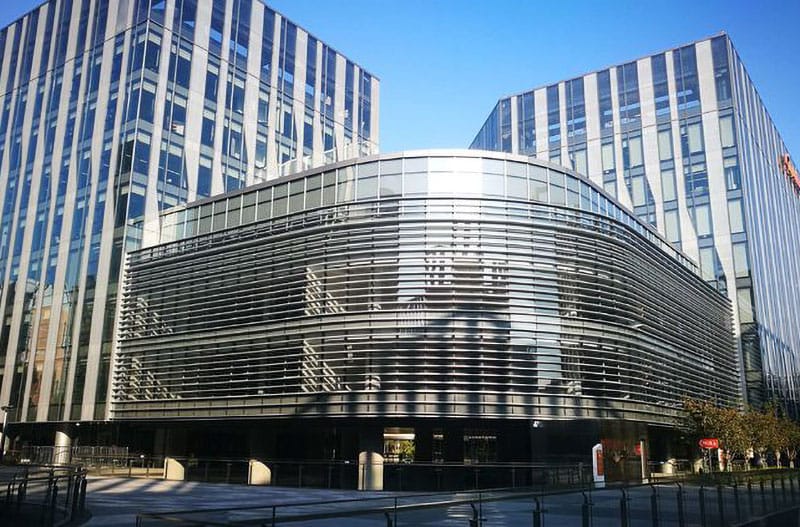
A simple stick system using clear tempered glass and standard aluminum profiles will be on the lower end. If your design requires double-glazed Low-E glass, thicker aluminum, or custom surface coatings, the price will increase accordingly. Unitized systems or large-scale solutions for high-rise buildings often push prices to the upper range due to more advanced fabrication requirements and higher wind load calculations.
Key Factors That Affect the Price Per Square Meter
The most significant cost driver is the type of glass selected. Basic tempered glass is affordable and suitable for most mid-rise projects. However, if your building needs energy efficiency, sound insulation, or enhanced safety, you may need laminated or insulated glass with Low-E coatings. These options raise the price but greatly improve performance—especially in hot climates.
The thickness of aluminum profiles also plays a role. Thicker and more robust frames are essential for high-rise buildings or heavy glass panels. Additionally, the surface treatment of aluminum—whether anodized, powder-coated, or PVDF-coated—can influence the price. Custom colors and high-performance coatings typically cost more.
Project complexity cannot be overlooked. Flat walls with standard rectangular panels are easier to manufacture and install, thus more affordable. On the other hand, curved walls, irregular shapes, or integrated shading devices require more engineering, custom fabrication, and time—all of which raise costs.
Order quantity is another key factor. Thanks to economies of scale, large orders often enjoy lower per-square-meter prices. On the contrary, small custom projects may cost more due to manufacturing setup, limited packaging efficiency, and higher transportation costs per unit.
Aluminum Curtain Walls: Looking Beyond Factory Price
If you are based in Africa or other overseas markets and plan to import aluminum curtain wall systems from China, factory price is just one part of the story. You also need to account for freight, import duties, local delivery, and installation support.
Shipping costs depend on volume, destination, and packaging requirements. Glass must be carefully packed in wooden crates to avoid breakage during transport, which increases both weight and space. For many African countries, port handling, inland transport, and logistics fees can increase the landed cost by 20% to 40%.
Import duties vary by country. Some countries have free trade agreements with China, while others impose customs duties, VAT, and other clearance charges. Delays at customs may also lead to storage or demurrage fees, especially at busy ports.
Installation cost is another factor often overlooked by buyers. In markets where experienced curtain wall installers are rare, the cost of labor and supervision can be significant. Some suppliers offer technical guidance, video tutorials, or even send engineers to assist local teams on-site to ensure proper installation.
How to Control Costs Without Cutting Corners
One of the best ways to keep your curtain wall project within budget is to start with clear architectural drawings and requirements. A complete and accurate design allows the supplier to quote the right system and avoid costly changes later.
Choosing a manufacturer that offers full system design—not just raw materials—is a smart move. Integrated design, production, and packaging streamline the process and reduce risks. If suitable for your building, standardized modules can also help reduce complexity and cost.
Order volume and shipping method are important as well. Consolidating materials into full container loads lowers freight costs per square meter. Planning your project timeline in advance also helps avoid costly air shipments or rushed deliveries.
Why Working with the Right Supplier Matters
Not all curtain wall suppliers are the same. Some only offer materials, while others provide complete technical and design support. If you’re purchasing for an overseas project, it’s essential to choose a company that understands your local standards, speaks your language, and has export experience.
Our company, based in China, specializes in exporting aluminum curtain wall systems to Africa, the Middle East, and Southeast Asia. We offer full solutions including design assistance, system fabrication, container loading, and shipping coordination. For countries like Kenya, Nigeria, Ghana, and Tanzania, we are familiar with port logistics and customs processes—ensuring smooth and timely delivery.
Final Thoughts
The price per square meter of an aluminum curtain wall depends on many technical and logistical variables. Instead of focusing only on the cheapest quote, it’s wiser to work with a supplier who can offer a comprehensive solution—from design to delivery and beyond.
If you’re starting a building project, the best step is to share your drawings, usage expectations, and budget goals. A reliable supplier will help you find the right balance between performance, cost, and schedule.
Whether you’re a developer, architect, contractor, or trader, understanding the full pricing picture helps you make smarter decisions and avoid costly mistakes.

