
In modern architecture, glass curtain walls have become an essential element in shaping the urban skyline. When selecting a curtain wall system, the question “exposed frame or structural glazing?” is a common dilemma faced by owners, architects, and contractors alike. There is no absolute winner—each system has its own strengths. The right decision depends on a comprehensive evaluation of the building’s functional requirements, design intent, and environmental conditions.
Exposed Frame Curtain Wall: Clear Structure, Proven Reliability
An exposed frame curtain wall system, as the name suggests, features visible framing elements that define the lines of the building façade. Its greatest advantage lies in structural stability and engineering reliability. The metal framing is directly anchored to the building’s primary structure, supporting the glass panels and securing them between pressure plates and cover caps.
This configuration provides high mechanical strength and safety redundancy, performing exceptionally well against wind loads and thermal stress. For high-rise buildings or projects located in coastal regions with significant wind pressure, exposed frame systems offer a dependable structural foundation.
In terms of construction and maintenance, exposed frame systems also present clear advantages. Their assembly process is highly standardized, allowing for on-site adjustments and generally requiring slightly less precision than structural glazing systems. Future maintenance and glass replacement are more straightforward—removing the pressure plate typically allows access—resulting in relatively lower lifecycle costs.
However, the visible metal lines can interrupt the visual continuity of the glass façade, slightly diminishing the sense of transparency and the “all-glass” aesthetic effect.
Structural Glazing (Concealed Frame): Minimalist Aesthetics, Modern Expression
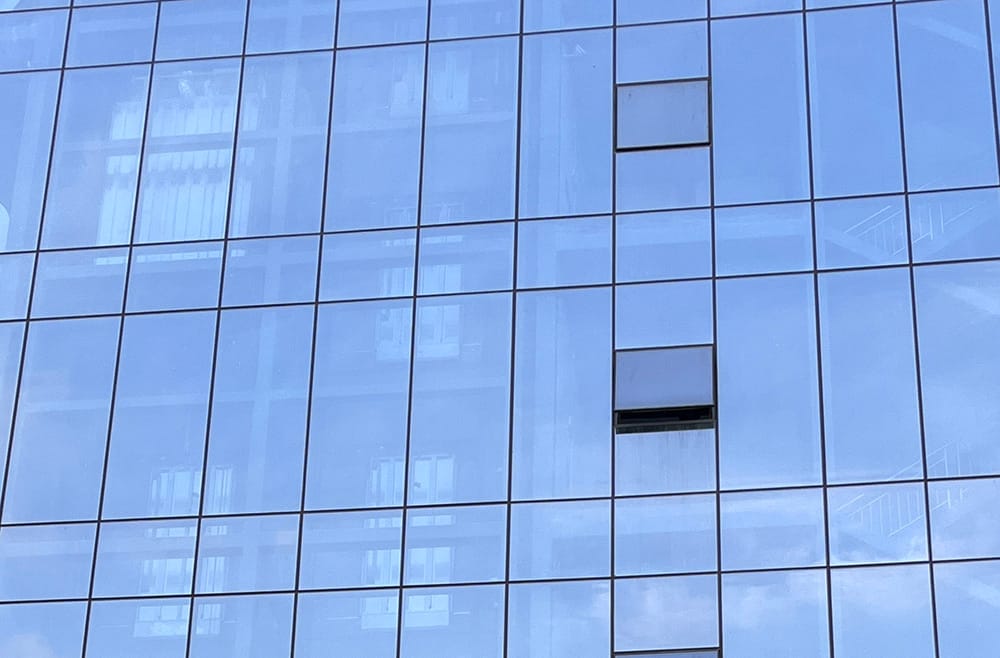
In contrast, structural glazing systems elevate façade design to a new level of visual purity. High-strength, weather-resistant structural silicone is used to bond glass panels to subframes, which are then attached to a concealed supporting framework. As a result, the building exterior presents a seamless glass surface, with the metal structure hidden behind the façade, creating a striking sense of openness and contemporary elegance.
Because of its refined appearance, structural glazing is often the preferred choice for projects seeking exceptional architectural aesthetics. However, achieving this effect requires a high level of construction precision. The quality and performance of the structural sealant, the rigor of application procedures, the flatness of the glass panels, and the control of installation tolerances all directly affect long-term safety, as well as air and water tightness.
Structural glazing systems are generally more sensitive to temperature fluctuations, wind loads, and building movement. Any shortcomings in engineering calculations or sealant application can lead to water leakage or even safety risks. Additionally, post-installation maintenance often requires specialized equipment and technical expertise, making repairs more complex and costly than with exposed frame systems.
Decision Criteria: Not the Best, but the Most Suitable
When considering “exposed frame or structural glazing,” the answer must be grounded in the specific project context:
Project positioning and design intent: Luxury hotels, iconic landmarks, and high-end commercial developments often favor the clean aesthetic of structural glazing. More pragmatic office buildings or cost-controlled projects may prefer the practicality of exposed frame systems.
Safety requirements and environmental conditions: Super-tall buildings, high-wind zones, or regions with significant temperature variations demand careful evaluation of structural robustness. Sealant performance can be affected by extreme climates.
Construction and maintenance capabilities: Assess the technical expertise of the construction team and the long-term feasibility of maintenance and servicing.
Professional Expertise Ensures Curtain Wall Excellence
Whether prioritizing the durability and efficiency of exposed frame systems or the architectural purity of structural glazing, successful implementation ultimately depends on the capabilities of an experienced façade specialist with integrated system solutions and strong project delivery expertise.
Choosing a glass curtain wall system is not a simple binary decision between “exposed” and “concealed.” It is a comprehensive process that integrates building science, environmental engineering, and architectural aesthetics. With the support of a knowledgeable and forward-thinking partner, project teams can navigate complex technical parameters and identify the optimal solution—ensuring the curtain wall becomes a luminous expression of the building’s identity.

