
I. Introduction
As an iconic exterior cladding system of modern architecture, glass curtain walls have become the preferred choice for commercial complexes, office buildings, and high-end residential properties worldwide due to their transparency, aesthetic appeal, and efficient energy performance. However, glass curtain walls are subject to environmental, climatic, structural stress, and human factors during long-term use. Lack of systematic maintenance not only leads to appearance aging but also may cause water leakage, sealant failure, and even safety hazards.
This article explores the maintenance principles, cycles, common issues, and best practices of glass curtain walls from a professional perspective. It aims to help owners and developers establish a scientific and sustainable maintenance system, ensuring the building’s safety, performance, and image remain in optimal condition.
II. Importance of Glass Curtain Wall Maintenance
1. Safety Assurance
Curtain wall systems are exposed to external environments for a long time. Wind pressure, temperature differences, and structural displacement can cause fatigue of glass panels or connectors. Regular maintenance enables timely detection of potential hazards such as aging sealant joints, loose supports, or hidden glass cracks, preventing falling accidents and ensuring the safety of pedestrians and users.
2. Extension of Structural and Performance Lifespan
High-quality curtain wall systems typically have a design life of 25 to 50 years, but this lifespan may be halved without scientific maintenance. Periodic inspections, cleaning, and repairs can significantly extend the service life of curtain wall structures and sealing systems, reducing long-term operational costs.
3. Energy Efficiency and Environmental Benefits
Glass curtain walls are a key component of building energy-saving systems. Surface contamination or sealant failure can impair thermal insulation and airtightness, leading to increased energy consumption. Standardized maintenance not only maintains the transparency of the building’s appearance but also ensures the continuous performance of energy-saving functions.
4. Brand and Asset Value
For developers and owners, the curtain wall is the first impression of a building’s brand image. A clean and intact curtain wall appearance can effectively enhance property value and rental competitiveness, especially in the international commercial real estate sector.
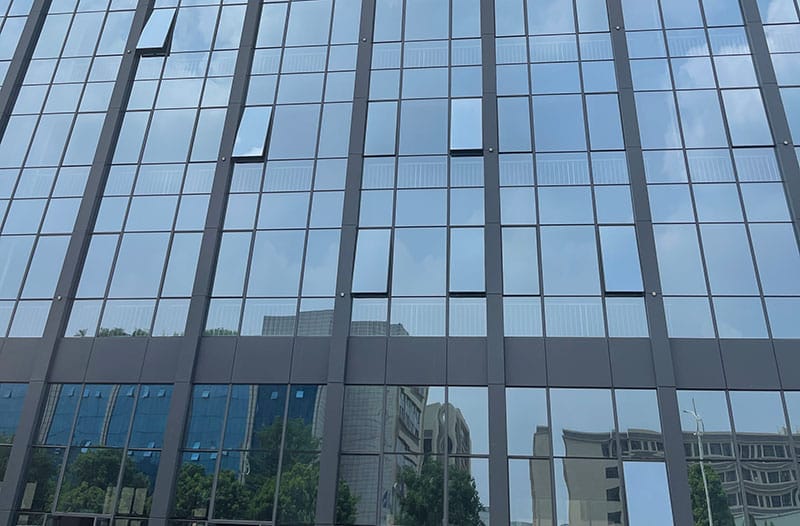
III. Core Content of Glass Curtain Wall Maintenance
1. Exterior Cleaning
Exterior cleaning is the most intuitive maintenance task. It should generally be performed 2 to 4 times a year, with the frequency depending on the local climate and pollution levels.
– High-rise buildings: Professional high-altitude cleaning teams are recommended, using pure water systems or neutral cleaning agents to avoid scratching the glass.
– Buildings in coastal or industrial areas: Cleaning frequency needs to be increased to prevent corrosion of glass and metal components by salt, acid, and alkali substances.
2. Sealant and Waterproofing Inspections
Sealant is critical to the waterproofing and airtightness of curtain walls. Inspections should be conducted at least once a year, focusing on:
Whether sealant joints have cracked, peeled, or powdered.
Whether there are signs of water leakage at joint locations.
Compatible silicone structural sealants or weather-resistant sealants should be used for replacements.
Regular maintenance can prevent water infiltration, mold growth, or structural corrosion caused by sealant failure.
3. Structure and Connector Inspections
Curtain wall support systems usually consist of aluminum profiles, stainless steel connectors, and embedded parts. Professional maintenance inspections should include:
– Checking for loose or rusted bolts, hangers, and supports.
– Monitoring structural displacement and changes in glass panel stress.
– Retorquing or replacing abnormal components.
Comprehensive structural assessments should be conducted at least once every three years.
4. Glass Component Inspections
Glass panels should remain intact without cracks or edge damage. Any hidden cracks may expand rapidly under temperature stress.
For insulated glass, check the sealing performance and gas-filled layer status.
If internal fogging occurs, replace it promptly to maintain thermal insulation performance.
Immediately replace damaged glass and identify the cause.
5. Drainage and Ventilation System Maintenance
The drainage channels of the curtain wall system must be kept unobstructed to prevent water accumulation leading to leakage or corrosion.
Regularly clean debris from drainage holes, gutters, and support grooves.
Check for detached waterproof layers and seal strips.
Readjust the bottom drainage structure of the curtain wall if necessary.
IV. New Trends in Modern Glass Curtain Wall Maintenance
1. Intelligent Monitoring Systems
In recent years, more international projects have adopted sensing technology for real-time monitoring of curtain wall conditions. By embedding temperature, displacement, and humidity sensors, owners can monitor curtain wall performance in real-time through backend systems, providing data-driven decision support for maintenance.
2. Renewable Materials and Eco-Friendly Cleaning
The use of environmentally friendly cleaning agents and recyclable materials has become an industry trend. For example, nano self-cleaning glass can reduce cleaning frequency, lowering maintenance costs and carbon emissions.
3. BIM and Digital Management
BIM (Building Information Modeling) technology integrates curtain wall structures, maintenance cycles, and historical records on a single platform, enabling full-lifecycle management. This approach not only improves maintenance efficiency but also facilitates developers’ evaluation and decision-making during asset management.
V. Developing a Systematic Curtain Wall Maintenance Plan
For international projects, it is recommended that owners or property management companies collaborate with professional curtain wall consultants to develop maintenance strategies, including:
1. Annual inspection plan: Clarify maintenance cycles and responsible parties for each item.
2. Risk assessment mechanism: Identify key areas based on building height, geographical location, and climatic conditions.
3. Recording and tracking system: Store inspection results, photos, and rectification reports.
4. Emergency response plan: Establish a rapid response process for damage or leakage.
Systematic glass curtain wall maintenance is not only a compliance requirement but also a core part of asset preservation and risk control.
As an important “outerwear” of modern buildings, glass curtain wall maintenance requires scientific, continuous, and professional management. For international owners and developers, establishing a standardized and data-driven maintenance system can not only ensure building safety and aesthetics but also enhance the long-term value and sustainable competitiveness of the property.
Through regular inspections, preventive repairs, and technological innovation, glass curtain walls will continue to showcase the unique charm of modern architectural language, adding lasting brilliance to urban skylines.

