
In the field of architectural facades, selecting the right type of glass affects not only appearance and daylighting but also safety, energy performance, installation efficiency, and service life.
As a facade engineer with over 20 years of experience, I will analyze thedifferences between laminated glass and insulating glassfrom four key perspectives—cost, installation, performance, and application scenarios—supported by real project cases and professional recommendations to help you make informed decisions in practice.
1. Basic Definitions and Overview
Before comparing the two, let’s briefly define them:
Laminated Glass(also calledlaminated safety glass):
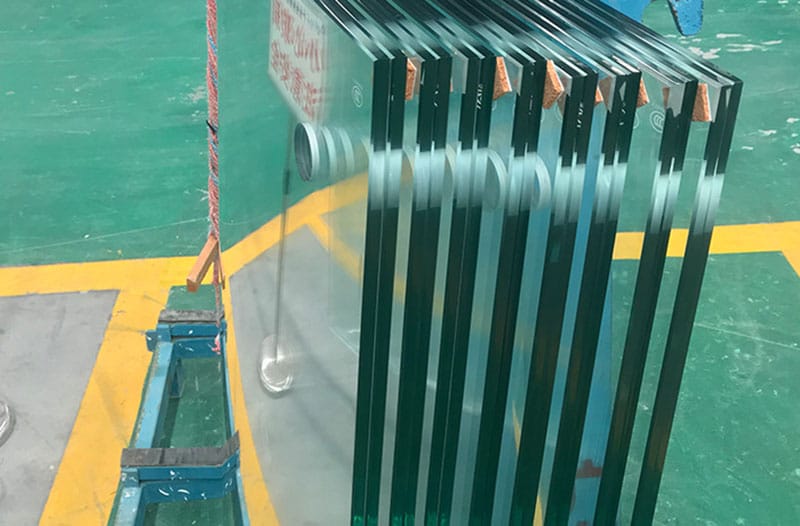
Made by bonding two or more sheets of glass with an interlayer film (commonly PVB or EVA) under heat and pressure or in an autoclave. The result is a composite structure with enhanced safety and acoustic performance.
Insulating Glass(also calleddouble glazingorinsulated glass unit, IGU):
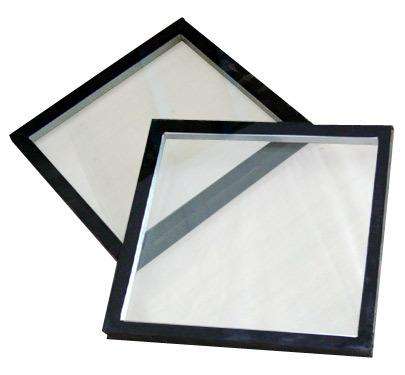
Consists of two or more glass panes separated by a spacer bar and sealed to form one or more air or inert gas cavities. This design provides superior thermal insulation and sound reduction.
In short, thedifferences between laminated and insulating glasslie mainly in theirstructure, functional focus, safety performance, thermal and acoustic insulation, cost, and installation requirements.
2. Cost Comparison
Cost is always a major factor in facade engineering. Let’s compare both from the perspective of material and installation costs.
(1) Material Cost
Laminated glass:
The inclusion of interlayer films and the complex heat-pressing process make laminated glass more expensive per square meter than ordinary glass.
Insulating glass:
Although it requires spacers, sealants, and desiccants, the process is highly standardized and mass-produced, resulting in a lower cost compared to laminated safety glass of the same thickness.
In projects withlower safety requirements and limited budgets, insulating glass often provides a bettercost-performance ratio.
(2) Installation and Maintenance Cost
Laminated glass:
More demanding in fabrication, transport, and installation. The interlayer must be perfectly bonded, and care is needed to prevent delamination or bubbling. Labor and supervision costs are usually higher.
Insulating glass:
Easier and more standardized to install. However, if the edge seal fails, fogging or gas leakage can occur, increasing maintenance costs later.
Summary:
Laminated glass has higher upfront cost and complexity but offers long-term safety value. Insulating glass has lower initial investment but may require more maintenance over time.
3. Installation Differences
Installation methods significantly affect construction time, on-site safety, and facade reliability—another key distinction between laminated and insulating glass.
(1) Laminated Glass Installation
The lamination process (bonding under heat or autoclave) is completed in the factory.
On-site, large laminated panels require careful lifting, structural support, and water-tight joint sealing.
For high-rise facades, laminated glass often includestempered glass layers or additional protective filmsfor enhanced strength.
(2) Insulating Glass Installation
IGUs are prefabricated and sealed in the factory, sometimes filled with inert gases (e.g., argon).
On-site, the key isensuring proper frame compatibility, sealant adhesion, and stress controlto avoid cracks due to temperature expansion.
Final inspections include checking for fogging and verifying airtightness.
Summary:
Laminated glass installation emphasizessafety, structural stability, and impact resistance, while insulating glass installation focuses onairtightness, energy performance, and system compatibility.
4. Performance Differences
Performance is often the deciding factor when choosing glass types. Below is a detailed comparison across four dimensions.
(1) Safety Performance
Laminated glass:
The interlayer holds the fragments together upon breakage, preventing them from falling and causing injury. This makes it ideal forhigh-rise facades or areas exposed to impact or strong wind loads.
Insulating glass:
If broken, tempered panes may shatter and fall away. For critical safety zones, laminated glass is generally preferred.
In high-risk applications, laminated glass offers significantlysuperior post-breakage safety.
(2) Thermal Insulation
Insulating glass:
The sealed air or gas cavity reduces heat transfer by conduction and convection, providing excellent energy efficiency.
Laminated glass:
Offers some thermal resistance, but its primary function is safety and sound insulation rather than energy saving.
Conclusion:For buildings emphasizingenergy efficiency and HVAC load reduction, insulating glass performs better.
(3) Acoustic Performance
Laminated glass:
The viscoelastic interlayer effectively dampens sound vibrations, especially in thelow to mid-frequency range, making it superior for noise reduction.
Insulating glass:
Relies on the air gap for sound insulation but can exhibit resonance effects at certain frequencies.
Therefore, in noisy urban environments or near traffic routes, laminated glass providesbetter acoustic comfort.
(4) Durability and Maintenance
Insulating glass:
Vulnerable to seal failure over time, leading to fogging or loss of gas fill. Quality of edge sealing and spacer materials is critical.
Laminated glass:
Generally stable, but prolonged exposure to moisture or UV can cause interlayer aging or delamination if manufacturing quality is poor.
In summary:IGUs require more attention to sealing integrity, whilelaminated glass depends on interlayer qualityand proper edge protection.
5. Application Scenarios
Practical applications best illustrate how to choose between the two.
(1) Laminated Glass is Ideal For:
High-rise facades and roofs exposed to strong wind loads or falling-object risks
Public buildings such as schools, hospitals, and shopping centers with strict safety requirements
Skylights or glass roofs (roof glazing often requires laminated glass for impact resistance)
Areas requiring superior sound insulation
(2) Insulating Glass is Ideal For:
Office buildings and residential facades prioritizingenergy savings and thermal comfort
Low- to mid-rise buildings with lower wind or impact risks
Vertical glazing in sunrooms or conservatories (where insulation is more important than impact resistance)
(3) Project Examples
Case 1:A high-rise office tower used laminated glass for its top-level skylight corridor to resist wind pressure and potential falling objects.
Case 2:A residential complex adopted6 + 12A + 6 IGUson facades to enhance energy performance and reduce HVAC loads at reasonable cost.
These examples highlight a practical truth: laminated glass prioritizessafety, while insulating glass focuses onenergy efficiency.
6. Professional Recommendations
Based on decades of facade engineering experience, here are key guidelines for selecting and applying laminated and insulating glass:
1.Define project priorities:
Forhigh safety demands(high-rise, roof glazing, storm-prone areas): chooselaminated glass.
Forenergy-saving objectives(thermal comfort, reduced HVAC load): chooseinsulating glass.
2.Balance budget and lifecycle cost:
Consider not only upfront cost but also long-term safety and maintenance implications.
3.Ensure proper fabrication and installation:
For laminated glass: verify interlayer adhesion, avoid bubbles or delamination.
For insulating glass: ensure proper sealing, desiccant use, and long-lasting spacers.
4.Combine strategically:
In some facade systems, both types can be combined—for example:
Roof = laminated glass,Vertical walls = insulating glass—achieving both safety and energy performance.
5.Maintenance and inspection:
Regularly check IGUs for fogging or leakage.
Inspect laminated glass for delamination or interlayer aging.
6.Plan for replacement:
During design, allow space and access for future panel replacement or maintenance operations.

