
As an expert with over twenty years of experience in the curtain wall industry, I will provide a comprehensive analysis of “elevator glass curtain wall pricing” from a professional perspective, using clear and accessible language. In this article, you will learn about the key factors influencing the cost, common material choices and constructions, typical price ranges, quality assurance and maintenance advice, and how to effectively engage with international suppliers. This article aims to serve as a valuable reference for international clients seeking reliable curtain wall solutions.
1. What is an Elevator Glass Curtain Wall?
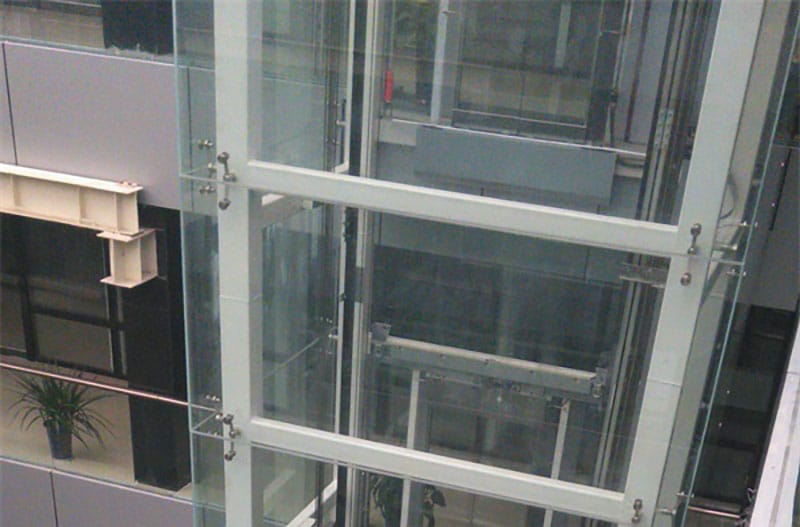
An elevator glass curtain wall refers to a glazed facade system installed on the exterior or within the interior of a building’s vertical transportation shaft (i.e., the elevator hoistway or elevator exterior wall). Its primary functions include providing transparent visual effects for the elevator, enhancing the overall aesthetic of the building facade, introducing natural light, and improving safety and protection performance. Compared to traditional aluminum curtain walls, elevator glass curtain walls place greater emphasis on visual transparency, structural safety, and high durability. Therefore, when discussing the keyword “elevator glass curtain wall price,” we are not merely referring to the cost of the glass itself, but also encompassing the frame structure, installation labor, transportation, commissioning, inspection, and other aspects.
2. Core Factors Influencing Elevator Glass Curtain Wall Prices
The following key factors play a crucial role in determining the price of an elevator glass curtain wall. Understanding these will help you communicate effectively with suppliers, establish budgets, and compare quotes knowledgeably.
1. Frame Material and Fabrication Process: The frame materials for elevator glass curtain walls typically include aluminum alloy, structural steel, hot-rolled steel, or stainless steel. For instance, aluminum alloy profiles are easier to fabricate and relatively lower in cost, while stainless steel or hot-rolled steel, though more robust and durable, are significantly more expensive. Fabrication processes like precision welding, surface coating/painting, anodizing, or powder coating also impact the cost. Higher-quality frame materials and processes will correspondingly increase the “elevator glass curtain wall price.”
2. Glass Type, Specifications, and Safety Performance: Common glass types used in curtain walls include tempered glass, laminated glass, double-glazed insulating glass, and Low-E (low-emissivity) glass. Given their location in vertical transportation shafts, elevator glass curtain walls often require higher safety ratings, potentially utilizing combinations like tempered & laminated glass with added protective films. Larger, thicker, or more complex glass specifications (size, thickness, shape) will increase the price. Thus, glass selection cannot be overlooked when budgeting for the “elevator glass curtain wall price.”
3. System Type and Installation Location: Elevator glass curtain walls can be installed on the building’s exterior facade or within the interior elevator hoistway. Exterior installations require additional considerations for wind load resistance, waterproofing seals, thermal expansion/contraction, etc., whereas interior installations are relatively simpler. The system type – such as stick-built, unitized, or point-supported – also varies in complexity, which can drive up the “elevator glass curtain wall price.” Furthermore, factors like elevator shaft height, hoistway depth, working height, and necessary safety measures (e.g., scaffolding, aerial work platforms) influence installation costs.
4. Project Scale and Site Conditions: Larger project scales often lead to lower unit costs due to bulk purchasing, repetitive construction processes, and savings on transportation and installation. Conversely, smaller projects may have a higher price per unit. Site conditions such as difficult access for Work at heights, traffic restrictions, night work requirements, or environmental regulations can add to construction costs, thereby increasing the “elevator glass curtain wall price.”
5. Brand, Certifications, and Service Guarantees: Reputable brands, suppliers with international certifications (e.g., CE, UL, ISO), and those offering comprehensive after-sales service often include higher costs for quality assurance, project management, and warranty services in their quotes. This means the “elevator glass curtain wall price” might be relatively higher from such suppliers, but it comes with reduced risks and potential hidden issues.
3. Typical Elevator Glass Curtain Wall Price Range (For Reference)
Here is a general price range for international clients to use during preliminary assessments. Actual quotes will depend on specific project conditions, regional variations, currency exchange rates, etc.
Entry-Level System (Aluminum alloy frame, standard tempered glass, medium safety standards) – Approximately USD $350 – $450 per square meter.
Mid-Range System (Aluminum alloy or structural steel frame, laminated & tempered glass, possibly with protective film, enhanced safety performance) – Approximately USD $500 – $650 per square meter.
High-End System (Stainless steel structure, custom large-format Low-E tempered laminated glass, very high safety, fire-rating, or blast resistance) – Approximately USD $700 – $1000+ per square meter.
Please note: The prices above typically cover the supply of the curtain wall system and standard installation. They generally do not include: special work inside the elevator shaft, high-cost crane lifting, night work premiums, import duties/taxes, significant transportation cost variations, or local labor cost surges. In other words, the “elevator glass curtain wall price” can vary significantly between countries and cities.
4. How International Clients Can Effectively Control Elevator Glass Curtain Wall Costs
As an international client, you can manage the “elevator glass curtain wall price” more effectively while ensuring project quality and schedule through the following measures:
1. Define Technical Specifications and Standards Clearly: Before requesting quotes from suppliers, clearly define the local building codes, elevator hoistway dimensions, wind load requirements, seismic ratings, fire resistance levels, and other technical specifications. The sooner these are defined, the fewer changes later, avoiding additional costs from revisions. Clear specifications lead to more accurate “elevator glass curtain wall price” quotes.
2. Compare Multiple Supplier Quotes: It is advisable to obtain quotes from at least 3-5 qualified curtain wall manufacturers. Request that each quote is broken down into three parts: “System Supply,” “Installation,” and “After-Sales Service” for easier comparison. Caution: Do not base your decision solely on the lowest price; evaluate the supplier’s reputation, past project portfolio, and certifications comprehensively to avoid quality risks hidden by low bids. Strive for a balance between a reasonable “elevator glass curtain wall price” and reliability.
3. Optimize Design and Simplify Construction: Optimizing the design can significantly reduce the “elevator glass curtain wall price.” Examples include standardizing glass sizes, minimizing custom-shaped panels, selecting glass types that meet but do not excessively exceed local standards, simplifying the frame structure, and reducing the number of complex support components. Simpler designs, more conventional materials, and faster installation generally lead to lower relative costs.
4. Consider Local Sourcing and Construction Resources: If qualified local glass manufacturers, aluminum profile fabricators, and skilled labor are available, opting for local procurement and construction can substantially reduce transportation and labor costs, making the “elevator glass curtain wall price” more economical. Furthermore, coordinating construction schedules efficiently to avoid premium overtime rates for night work can also help control costs.
5. Sign a Detailed Contract and Clarify Additional Charges: The contract should clearly state the price breakdown, payment schedule, delivery timeline, acceptance criteria, warranty period, delay penalties, etc. Ensure that all potential variations, extra work (e.g., modifications to the elevator shaft, specialized crane lifts, additional safety fencing) are covered by clearly defined additional charges. This helps prevent unforeseen cost increases later, ensuring the final “elevator glass curtain wall price” stays within budget.
5. Quality Assurance and Maintenance Recommendations
Regardless of the “elevator glass curtain wall price,” quality and long-term maintenance are crucial. Here are some recommendations:
Choose products and suppliers with relevant third-party certifications, such as ISO 9001, CE marking, fire performance certificates, etc.
Upon installation completion, the curtain wall should be inspected and accepted by a qualified testing agency, checking for glass breakage, frame deformation, water leakage, and sealing performance.
Establish a routine maintenance plan after handover, including regular cleaning of glass panels, inspection of sealants/gaskets, replacement of aging components, and monitoring for glass stress issues.
Elevator maintenance personnel should receive appropriate training to ensure that elevator operation, stopping, and maintenance activities do not cause impact damage to the glass curtain wall.
In regions with extreme climates, consider selecting curtain wall systems with higher heat resistance, cold resistance, and wind load capacity. While this might slightly increase the initial “elevator glass curtain wall price,” it can lead to lower long-term maintenance costs and reduced risks.
6. How to Choose a Qualified Supplier
Selecting the right curtain wall supplier is a critical step in controlling the “elevator glass curtain wall price” and ensuring project success. Key considerations include:
The supplier should possess substantial experience (e.g., 20+ years) in the curtain wall industry and provide relevant case studies/photos and client references for elevator glass curtain wall projects.
The supplier should have comprehensive engineering qualifications, international certifications, structural calculation reports, and wind load test reports.
They should provide transparent quotations, clearly itemizing each component of the “elevator glass curtain wall price” (materials, fabrication, installation, transportation, commissioning).
Their project management team should demonstrate strong site supervision capabilities, including safety management, oversight of, and quality control/inspection procedures.
They should offer robust after-sales service: warranty coverage, periodic inspections, replacement services, and leak remediation. Good after-sales support can offset a slightly higher initial “elevator glass curtain wall price.”
If you have preliminary project details (e.g., elevator hoistway dimensions, building height, desired glass specifications, budget targets), please feel free to contact our company for further discussion. We can provide a more precise budget estimate and preliminary solution recommendations. We look forward to assisting you in achieving a high-quality, reliable, and cost-effective elevator glass curtain wall solution.

