
In modern architectural design, frameless glass curtain walls—also known as concealed frame glass facades—are increasingly favored by international architects, contractors, developers, and project owners for their minimalist aesthetics, exceptional transparency, and strong energy efficiency.
This article provides a comprehensive analysis of the price of frameless glass curtain walls from multiple perspectives, including structural composition, design considerations, construction costs, market pricing factors, case studies, and procurement recommendations. The goal is to help you make informed decisions in project bidding, budgeting, and cost negotiations.
1. What Is a Frameless (Concealed Frame) Glass Curtain Wall?
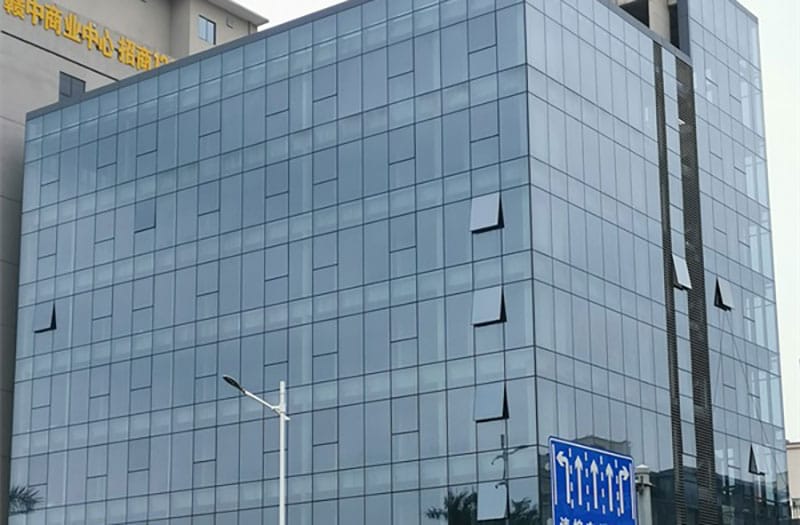
A frameless or concealed frame glass curtain wall is a facade system in which glass serves as the dominant visible element of the building envelope, while the metal structure (such as aluminum or steel framing) is hidden within or behind the facade. This creates a seamless “all-glass” appearance with no visible frame lines.
Key features include:
High transparency and openness, enhancing natural light, aesthetics, and modern appeal.
Hidden metal framing, maintaining a clean and minimalist look that complements architectural design.
Strong thermal and acoustic insulation, achievable with Low-E glass, thermal break aluminum, or laminated structural glass.
High technical and installation requirements, demanding precision in structural support, glass alignment, sealing, and wind resistance.
Given these complexities, the price of frameless glass curtain walls becomes a crucial factor in any project’s decision-making process.
2. Key Factors Influencing Frameless Glass Curtain Wall Prices
The cost of a frameless glass curtain wall depends on design, materials, environmental conditions, and construction complexity. The main influencing factors include:
1. Material Selection
Glass type: Options include float glass, tempered glass, laminated glass, and Low-E glass. High-performance glass increases cost.
Metal structure: Aluminum alloy, thermal break aluminum, and steel are commonly used. Aluminum is typically cheaper than steel, but thermal break or weather-resistant aluminum costs more.
Sealants and accessories: Variations in the quality of sealants, connectors, and waterproofing components directly affect pricing.
Material choices alone can cause significant price differences.
2. Structural Design and Support Method
Support methods such as clamp systems, embedded brackets, and hidden mullions vary in complexity and cost.
Wind load, seismic conditions, building height, and facade size determine structural requirements, which influence pricing.
3. Installation Complexity and Site Conditions
High-rise buildings, sloped roofs, irregular facades, or large glass panels require specialized lifting and safety measures, increasing labor and equipment costs.
Site constraints such as limited space, traffic, or adverse weather also raise installation costs.
4. Project Location and Market Environment
Labor costs, import taxes, and local building codes differ by country or region. International projects must also consider shipping, customs, communication, and technical compliance.
Market demand and material supply cycles affect price fluctuations.
5. Design Complexity and Customization
Large-span glass panels, irregular geometry, transparent joints, hidden skylights, or MEP integration add design and fabrication difficulty.
Custom glass sizes and hardware reduce standardization and increase manufacturing cost.
3. Reference Price Ranges
Based on industry data and global market experience, frameless glass curtain wall prices vary widely. The following are general reference ranges (for budget estimation only):
Standard commercial facades with laminated glass and aluminum concealed frames: USD 250–350/m²
Mid- to high-end projects using Low-E glass, thermal break aluminum, and concealed mullion systems: USD 350–500/m²
Premium projects with complex geometry, large-span panels, or steel structures: USD 500–800/m² or higher
Converted to Chinese yuan, this equals approximately RMB 1,700–5,600+ per m².
In mainland China, simpler systems can cost as low as RMB 1,200–1,500/m², but these typically represent basic configurations. Early-stage budgeting should define a target price range and refine it during design development.
4. How to Accurately Estimate Frameless Glass Curtain Wall Costs
To ensure accurate budgeting, follow this structured approach:
Step 1: Define Curtain Wall Area and Interface Types
Calculate total facade projection area, including eaves and corners.
Identify standard walls, sloped facades, corners, and recesses.
Adjust costs upward by 10–30% for irregular shapes or corners.
Step 2: Specify Material and Performance Requirements
Define glass composition (e.g., 6+12A+6, 10+16A+10 laminated Low-E).
Choose support type (concealed aluminum, thermal break, or steel).
Include accessory requirements (hidden channels, frameless joints, ventilation, shading).
Add cost adjustments for special functions such as wind load, fire, or ballistic resistance.
Step 3: Consider Construction Conditions
Account for height, platform type, accessibility, lifting equipment, and schedule.
High-rise or difficult conditions typically add 10–20% to installation costs.
Step 4: Conduct Market Research and Compare Quotations
Obtain proposals from 3–5 experienced facade contractors.
Ensure quotes include materials, transport, installation, testing, and warranty.
Analyze cost breakdowns (glass, framing, labor, management, margin) to check reasonableness.
Step 5: Include Risk and Warranty Costs
Consider design changes, glass breakage, and supply chain delays.
Contracts should specify warranty terms (typically 2–5 years) and maintenance responsibilities.
5. Hidden Costs for International Projects
When working internationally, be aware of additional hidden costs:
Import duties and taxes: Include customs, VAT, and insurance for imported glass or hardware.
Logistics and packaging: Large or fragile panels require reinforced packaging and anti-shock transport.
Compliance and certification: Local standards for fire, seismic, or performance testing may require extra inspection.
Coordination and communication: Translation, legal documentation, and project management costs add to overhead.
Exchange rate risk: Currency fluctuations can affect total cost if contracts are in USD or EUR.
It is advisable to reserve a 5–10% contingency buffer in the initial quotation for such risks.
6. Recommendations for Improving Cost Efficiency
To achieve the best balance between quality and cost, consider the following:
1. Standardize Design: Use modular glass sizes and standard concealed frame systems to minimize customization and waste.
2. Optimize Glass Specifications: Select performance levels that meet—rather than exceed—project needs. Not all applications require high-end Low-E or laminated glass.
3. Choose Cost-Effective Structures: Where feasible, use aluminum concealed frame systems instead of steel to reduce structural costs.
4. Work with Experienced Contractors: Skilled facade installers ensure efficiency, minimize rework, and reduce long-term maintenance costs.
5. Plan Bulk Procurement: Purchasing glass and accessories in larger quantities can secure discounts and stabilize pricing.
6. Compare Regional Quotations: For international projects, compare local market rates, taxes, and labor costs to identify the most economical sourcing option.
Frameless glass curtain walls combine beauty, transparency, and performance—but their cost is influenced by many variables. Treating the price of frameless glass curtain walls as a core budgeting metric early in design allows you to control expenses and avoid later overruns caused by specification upgrades, design changes, or logistical delays.
Through systematic analysis, transparent quotations, and informed supplier selection, you can achieve both architectural excellence and cost efficiency—strengthening your competitive edge in the international construction market.
This guide aims to provide practical reference and strategic insight for your next frameless glass curtain wall project.

