
As the global construction market continues to evolve, the design and performance of building facades have become key indicators of project quality. A curtain wall is not only the “skin” of a building but also a blend of functionality and aesthetics. In recent years, hybrid curtain wall systems have gained increasing popularity among architects, contractors, and developers worldwide. By combining the advantages of multiple curtain wall technologies and materials, they provide flexible and efficient solutions for complex building projects. This article explores the features, benefits, applications, and future trends of hybrid curtain wall systems.
1. Definition and Features of Hybrid Curtain Wall Systems
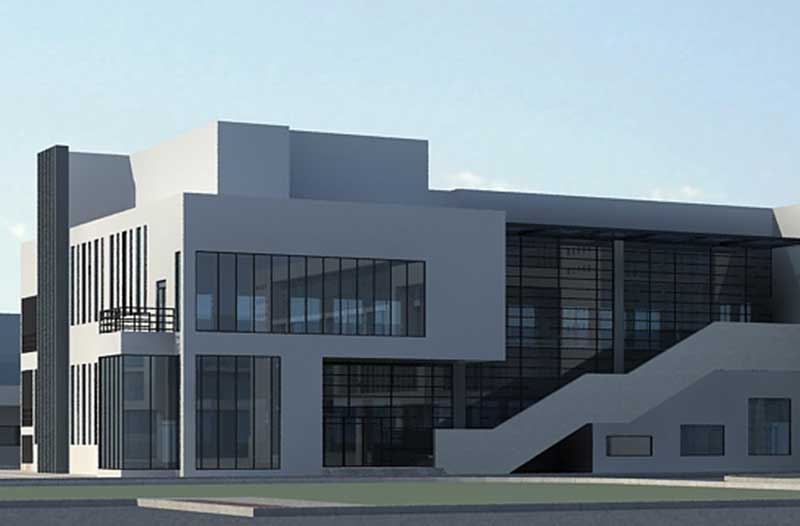
A hybrid curtain wall system refers to a façade solution that integrates two or more structural types or materials within the same building envelope. It often combines unitized, stick-built, full-glass, or metal panel curtain walls to meet diverse requirements for structure, energy efficiency, aesthetics, and functionality.
Key Features:
1. Diverse combinations – Different curtain wall types and materials can be flexibly combined based on project needs.
2. High structural adaptability – Well-suited for irregular shapes, supertall towers, and large-scale complexes.
3. Balanced performance – Provides an optimized mix of safety, thermal insulation, daylighting, and soundproofing.
4. Strong aesthetic expression – Multi-material facades add depth, texture, and character to building exteriors.
2. Advantages of Hybrid Curtain Wall Systems
1. Meeting Complex Design Requirements
Modern architecture often pursues unique forms and diverse appearances. A single system may not suffice, but a hybrid approach allows for more complex and ambitious design concepts.
2. Optimized Performance
By integrating different systems strategically, hybrid facades can balance multiple functions. For instance, full-glass curtain walls can maximize daylighting in key areas, while unitized or stick systems can provide better insulation and safety in others.
3. Cost and Maintenance Efficiency
Using different systems where they are most suitable avoids a “one-size-fits-all” high-cost solution. It also reduces long-term maintenance challenges by leveraging the strengths of each material or structure.
4. Enhanced Building Value
Hybrid facades not only improve performance and aesthetics but also increase market competitiveness and investor appeal, ensuring better long-term returns.
3. Application Scenarios
1. Supertall Buildings
In high-rise projects, where wind loads, temperature variations, and structural stress are critical, hybrid curtain walls allow designers to select appropriate systems for different floors and functions.
2. Large-Scale Commercial Complexes
Shopping malls, exhibition centers, and office towers require a balance of daylighting, energy performance, and visual impact. Hybrid systems help achieve transparency without compromising efficiency.
3. Public Buildings
Airports, hospitals, and libraries demand strict standards of safety, durability, and comfort. Hybrid facades can be tailored to different zones to meet these varied requirements.
4. High-End Residential Projects
Luxury residences and villas benefit from hybrid facades that deliver abundant natural light, thermal and acoustic comfort, and distinctive architectural aesthetics.
4. Future Trends
1. Green and Energy-Efficient Solutions
With rising global sustainability standards, hybrid curtain walls will increasingly use thermal-break aluminum, high-performance glass, and recyclable materials to reduce energy consumption.
2. Integration of Smart Technologies
Next-generation facades will incorporate smart glazing, automated ventilation, and sensor systems to enable dynamic adjustments, improving both comfort and energy efficiency.
3. Modular and Prefabricated Construction
Hybrid systems will move further toward modular production and prefabricated installation, boosting efficiency, lowering costs, and shortening project timelines.
4. Expanding Global Demand
As international projects multiply, hybrid curtain wall systems will be adopted across diverse regions, becoming a mainstream solution for modern facades.
Conclusion
Hybrid curtain wall systems are emerging as a powerful solution in contemporary architecture, offering diverse combinations, optimized performance, and unmatched design flexibility. For architects, contractors, and developers, choosing the right hybrid system not only enhances the aesthetic and functional value of a building but also ensures better cost control and energy efficiency.
If you are seeking a reliable façade solution for your international project, partnering with an experienced professional team will provide comprehensive services—from design and production to installation. Take action today, and let hybrid curtain wall systems create greater value for your building.

