
After many years in the construction industry, I have noticed one common theme: no matter where an owner comes from, the price of aluminum curtain walls is always a top concern when planning a façade project. In recent years, with the rapid urbanization across the Middle East and North Africa, demand for aluminum curtain walls in Egypt has risen significantly. In cities such as Cairo, the New Administrative Capital, and Alexandria, aluminum curtain walls have become a key choice for commercial complexes and high-rise residential projects.
Many Egyptian developers and design institutes often ask: “Why is there such a large price difference for the same aluminum curtain wall?”In fact, prices are influenced by a wide range of factors—from materials and system types to labor and logistics. Based on my experience, here is a breakdown of the key aspects.
1. Components of Aluminum Curtain Wall Prices
To understand curtain wall pricing in Egypt, it’s important to first break down its cost components. Generally, these fall into several categories:
1. Material Costs
Aluminum profiles: The main framework material, directly tied to international aluminum prices, which have fluctuated sharply in recent years and significantly affect the Egyptian market.
Glass: Most curtain walls combine aluminum with glass. Options include insulated glass, Low-E glass, and tempered glass. The price difference between glass types can exceed 30%.
Hardware and sealants: Connectors, gaskets, sealants, and structural adhesives may seem minor but account for a notable share of costs, especially when imported.
2. Design and Engineering Fees
A professional curtain wall design team must perform structural calculations, thermal analysis, and waterproofing details optimization—all of which are factored into the final cost.
3. Fabrication and Transportation
Some aluminum profiles and glass can be sourced locally in Egypt, but high-end systems may still need to be imported from China or Europe. Shipping, tariffs, and customs clearance add to costs.
The level of factory automation also impacts production efficiency and overall cost.
4. Construction and Installation
Labor costs in Egypt are lower than in Europe or the U.S., but curtain wall installation requires skilled workers and high-rise safety measures. Labor quality directly affects durability and safety.
5. After-Sales and Maintenance
Some project quotations include a 2–5 year warranty and maintenance service, which must also be included in total costs.
2. Key Factors Influencing Prices in Egypt
From real projects, I’ve found the following factors cause the most noticeable fluctuations in cost:
1. System Type
Stick systems (exposed or hidden frame): Relatively simple and lower cost.
Unitized systems: Prefabricated in factories, faster to install on-site, but more complex and typically 15–25% more expensive than stick systems.
Point-supported systems: Highly transparent and modern in appearance, but complex to design and install, usually the most expensive option.
2. Curtain Wall Area and Project Scale
Large Egyptian projects often exceed tens of thousands of square meters. The larger the project, the lower the unit price, thanks to economies of scale in procurement and logistics.
3. Material Specifications
Aluminum wall thickness: A difference between 2.0 mm and 2.5 mm profiles can noticeably affect price.
Glass configurations: For example, 6+12A+6 insulated glass versus 8+16A+8 tempered insulated glass can differ by dozens of dollars per square meter.
4. External Market Conditions
Fluctuations in global aluminum and glass prices directly affect the Egyptian market.
Exchange rate changes in the Egyptian pound are also critical, particularly for projects with a high proportion of imported materials.
3. Typical Price Ranges in the Egyptian Market
Based on recent projects, here are general reference ranges (for guidance only, final prices depend on project details):
Standard stick curtain wall (exposed frame): approx. $90–130/m²
Hidden or semi-hidden frame curtain wall: approx. $110–150/m²
Unitized curtain wall: approx. $150–200/m²
High-performance point-supported curtain wall: approx. $200–300/m² or higher
These ranges typically include materials, fabrication, transport, and installation, but may exclude special designs, façade lighting systems, or photovoltaic integration.
4. Case Study: Price Comparison
Office Building, Cairo Business District
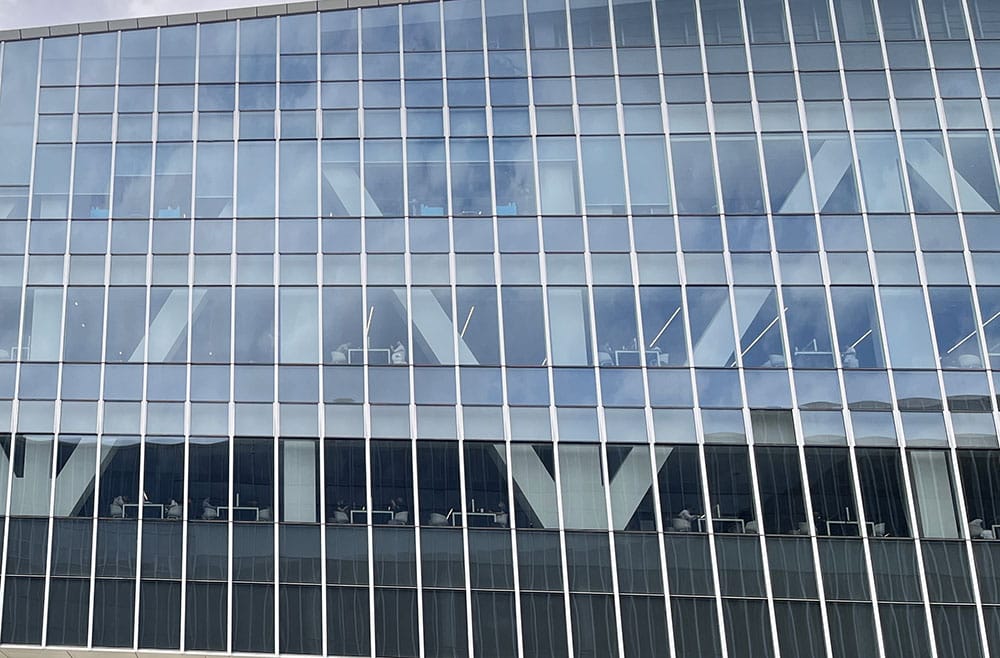
The project used a standard hidden-frame system, with a total façade area of about 30,000 m². Aluminum was sourced locally, while Low-E glass was imported. The final cost was controlled at around \$95/m², achieving a balance between budget and performance.
Even within one country, curtain wall prices can vary by more than 50% depending on design intent, material choices, and sourcing strategies.
5. How to Control Curtain Wall Costs
As a consultant, I usually advise owners and contractors to consider the following strategies:
1. Define Project Positioning Early
Decide in the design stage whether the project emphasizes cost-effectiveness or premium image—don’t wait until construction drawings are complete to consider costs.
2. Optimize Design
Rational panel layouts can save significant material.
Use cost-effective systems for secondary façades, and reserve high-performance systems for main elevations.
3. Combine Local and Imported Materials
Egyptian aluminum and some glass products offer good value, which can be complemented with imported high-performance materials.
4. Choose Experienced Curtain Wall Companies
Professional teams can identify potential problems early, preventing costly rework later. Although their quotes may seem higher initially, overall project costs are often lower.
5. Consider Lifecycle Costs
A curtain wall is not a one-time expense. Energy consumption, maintenance, and repair costs matter. A slightly higher upfront price may save substantial operating costs over 10 years.
6. Future Trends in Egypt’s Curtain Wall Market
Looking ahead, curtain wall prices in Egypt are likely to follow these trends:
1. Moderate Price Increases
Global energy and raw material fluctuations, combined with local currency factors, may push prices slightly upward.
2. Growth of Green and Energy-Efficient Products
With Egypt advancing green building policies, Low-E glass and photovoltaic curtain walls will become more common, usually at higher cost than traditional systems.
3. Stronger Local Manufacturing
As Egypt’s local fabrication and supply chains improve, dependence on imports may decline, helping reduce certain costs in the long term.
In Egypt, aluminum curtain wall prices are influenced by global raw material trends, local market conditions, design choices, and project scale. For developers and owners, understanding the cost structure and managing it wisely is the key to balancing budget and performance.
A successful curtain wall project is not just about price—it is about safety, durability, and aesthetics. Partnering with an experienced curtain wall company at the design stage can resolve many cost issues before they arise.
As Egypt’s construction market continues to expand, aluminum curtain walls will remain an essential choice for commercial, residential, and public buildings. By understanding pricing dynamics and planning investment carefully, projects can truly stand out in a competitive market.

