
Having worked in the construction industry for more than 20 years, I am often asked by owners, design institutes, and even young architects: “What exactly does a facade company do?” At first glance, the question seems simple, but the answer covers multiple aspects of façade design, construction, and maintenance. Many people assume a facade company just installs glass panels. In reality, a mature facade company is far more than a team that “puts up glass.” It is more like a cross-disciplinary solutions provider.
1. The Core Role of a facade company
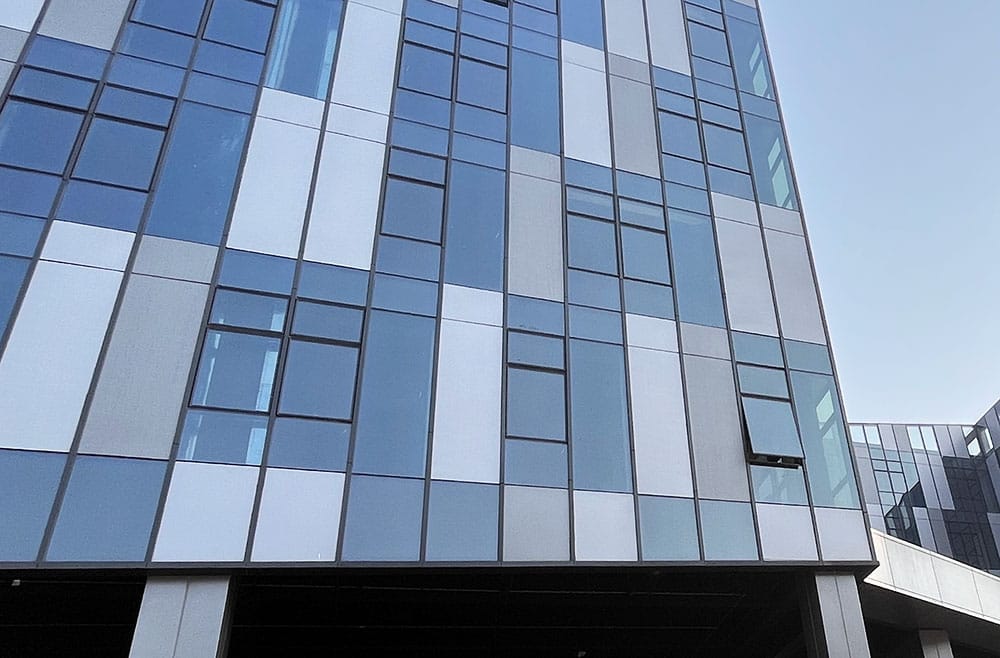
As the name suggests, a curtain wall is the protective and decorative exterior wall system of a building. Whether it is a glass curtain wall, metal curtain wall, stone cladding, or photovoltaic façade, a professional team must manage the entire process—from design and material selection to construction and long-term maintenance.
In this process, the facade company plays a vital role. It is both a technical service provider and a project manager. A mature facade company typically has the following capabilities:
1. Design Expertise
Develop detailed façade designs that meet both aesthetic and structural requirements.
Provide technical solutions for different systems, such as point-supported glass, unitized curtain walls, or hidden frame systems.
2. Construction Capability
Skilled installation teams familiar with various construction techniques.
Specialized equipment and safety measures to ensure quality and schedule.
3. Materials and Supply Chain Management
Long-term partnerships with glass, aluminum, and hardware suppliers to guarantee compliance with performance standards.
Centralized procurement and storage to optimize costs.
4. After-Sales Service and Maintenance
Regular inspections of sealants, connectors, and drainage channels.
Services such as glass replacement, façade refurbishment, and waterproofing repairs.
In short, a facade company integrates design, construction, and supply chain management, ensuring that the building façade is safe, durable, and visually appealing.2. What a facade company Does in the Design Stage
Many assume curtain wall design is just about producing façade renderings. In fact, the depth of design directly impacts the success of construction. A competent design team typically handles:
1. Scheme Optimization
For example, if an architect proposes a fully glazed façade, the facade company evaluates its feasibility. If spans are too wide, steel support structures may be required, or glass panel layouts adjusted.
2. Structural Analysis and Detail Design
Using specialized software, engineers analyze wind and seismic loads to ensure all panels and profiles perform safely.
Node design is critical, as it determines waterproofing, drainage, and thermal expansion performance.
3. Energy and Environmental Considerations
With carbon reduction goals in mind, curtain wall companies often recommend solutions such as Low-E glass, shading devices, or photovoltaic facades. For instance, Low-E glass in office facades can significantly reduce energy use.
3. What a facade company Does in the Construction Stage
Construction is the most visible part of a facade company’s work. Owners usually see cranes, workers, and panels being installed. But beyond “installation,” the real focus is quality control throughout the process:
1. Construction Planning
Preparing detailed schedules, lifting schemes, and site layouts according to the general contractor’s requirements.
2. Site Surveying and Layout
Since main structures often have deviations, precise laser measurements are performed to align curtain walls accurately with the building frame.
3. Fabrication and Pre-Assembly
Most components are fabricated in factories to ensure accuracy and efficiency. Unitized curtain walls, for example, are pre-assembled into modules before being lifted into place.
4. Safety and Quality Control
Installation must follow curtain wall engineering standards, ensuring structural silicone cures properly.
Waterproofing must pass water spray tests to prevent future leaks.
On a 20-story office project, inexperienced teams often cause water leakage or deformation of operable units. Professional companies, through testing and monitoring, eliminate such risks in advance.
4. What a facade company Does in Maintenance and Renovation
As many curtain wall buildings age, the demand for maintenance and renovation is increasing. Many owners only then realize curtain wall companies don’t just handle new projects—they also provide lifecycle services.
1. Inspection and Evaluation
Checking for sealant aging, glass safety risks, or metal corrosion.
Using infrared scanning to detect thermal bridges in insulation.
2. Repair and Replacement
Replacing broken glass, reapplying sealant, or fixing leaks.
Refurbishing old facades to improve energy performance.
3. Upgrading Old facades
Many office towers built in the 1990s used standard double glazing, now energy-inefficient. Curtain wall companies can retrofit facades with Low-E glass or shading systems, revitalizing the buildings.
5. What to Look for When Choosing a facade company
Owners often focus only on price, but the right choice requires broader evaluation:
1. Qualifications and Experience
National regulations require curtain wall contractors to hold proper certifications. Companies with higher-level licenses and proven track records reduce risk significantly.
2. Integrated Design and Construction
Splitting design and construction between two firms may lead to conflicts and poor implementation. Companies with both design and construction capabilities ensure smoother delivery.
3. Supply Chain Control
Strong partnerships with leading glass and aluminum producers ensure better quality materials.
4. After-Sales Support
Curtain walls require ongoing maintenance. Companies with established service systems can resolve future issues quickly.
6. The Value of a facade company
I have seen owners suffer from leaks and even falling glass because they chose the wrong contractor, leading to higher costs and safety risks. On the other hand, I’ve also seen world-class curtain wall companies maintain landmark facades in pristine condition for decades.
A reliable facade company provides:
Cost Savings: Through optimized design and supply chain management.
Quality Assurance: Strict construction and inspection processes ensure safety.
Value Enhancement: High-quality facades improve building identity and market value.
Sustainability: Energy-efficient facades support green building goals.
7. Future Trends for Curtain Wall Companies
As the construction industry evolves, curtain wall companies are transforming:
1. Digital Design: BIM is becoming widespread, enabling 3D modeling, clash detection, and construction simulation.
2. Smart facades: Integration of solar panels, intelligent shading, and switchable glass.
3. Green and Sustainable Solutions: More involvement in green and passive building projects, contributing to low-carbon cities.
From design and construction to materials management and after-sales service, curtain wall companies cover the full lifecycle of building facades. They are not only technical executors but also shapers of a city’s image.
For developers, architects, or owners, understanding the role of curtain wall companies—and choosing the right partner—can make a decisive difference.
If you are planning a new façade or upgrading an old one, an experienced and responsible facade company may well be the key to your project’s success.

