
The building facade is not only the “face value” of a project but also a comprehensive expression of its functionality and safety. From glass curtain walls to stone and aluminum panels, facade curtain walls have gradually become the mainstream choice for high-rise and large-scale public buildings. Whether for commercial complexes, office towers, luxury residences, or hotels, curtain walls play an irreplaceable role in shaping the architectural image, enhancing comfort, and improving energy efficiency.
But how should one choose the right facade curtain wall? How can aesthetics be balanced with durability and safety? And how do we find an effective facade curtain wall solution? This article explores these questions from multiple perspectives to help developers, designers, and owners find the right answers.
I. The Significance and Value of Facade Curtain Walls
1. The first impression of a building
The facade defines the character of the entire structure. An office tower with high-transparency glass and sleek aluminum frames can convey a modern, high-tech feel, while a stone or metal panel curtain wall emphasizes solidity and luxury.
2. Functionality and practicality
Curtain walls are not only decorative but also protective. They provide resistance against wind, water, heat, noise, and seismic forces—directly impacting indoor comfort and energy consumption. A well-designed system can improve energy efficiency by more than 20%.
3. Urban environment harmony
With the growing number of high-rise buildings, curtain wall design influences not just a single building but the skyline as a whole. A good curtain wall solution makes cities look more modern, greener, and aesthetically pleasing.
II. Common Types of Facade Curtain Walls
Depending on project style, budget, and functional needs, different curtain wall systems are applied:
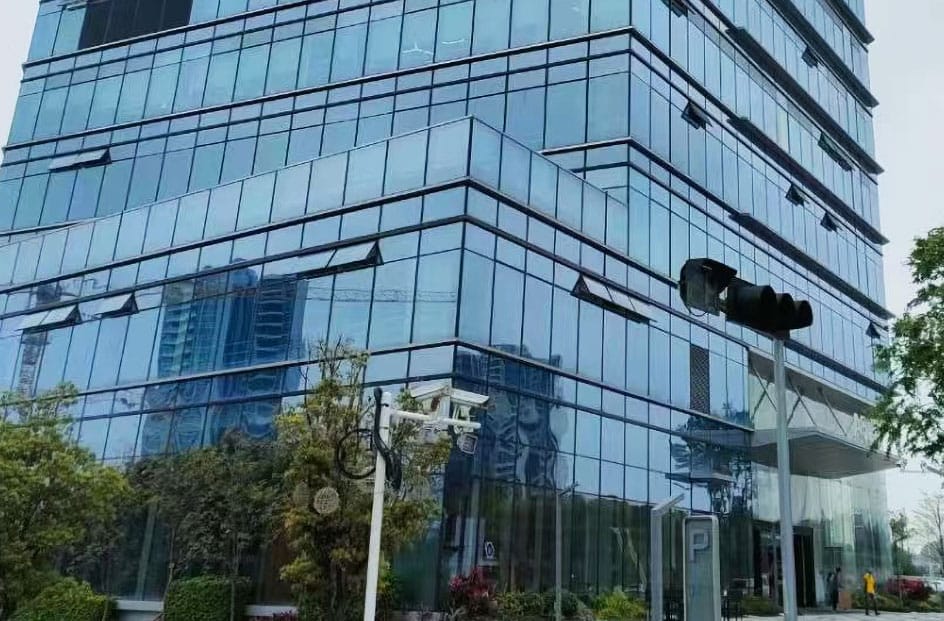
1. Glass curtain walls
Advantages: Transparent, aesthetic, excellent daylighting; ideal for modern offices and malls.
Disadvantages: Require high-performance glazing for insulation.
2. Stone curtain walls
Advantages: Solid, prestigious appearance; highly durable.
Disadvantages: Heavy, requiring strong structural support.
3. Aluminum panel curtain walls
Advantages: Lightweight, corrosion-resistant, colorful, versatile.
Disadvantages: Less effective thermal insulation unless combined with other materials.
4. Photovoltaic curtain walls
Advantages: Generate solar power, eco-friendly.
Disadvantages: Higher cost, complex installation and maintenance.
5. Hybrid curtain walls
Combine glass, metal, and stone for distinctive appearances.
Each type has its own strengths, and selection should consider project positioning, budget, and local climate.
III. Core Elements of a Curtain Wall Solution
1. Structural safety
The system must withstand wind loads, seismic activity, and prevent water leakage. Rigorous engineering calculations ensure long-term stability.
2. Energy efficiency and sustainability
With green building trends, energy-efficient curtain walls are in demand. Thermal-break aluminum and Low-E insulated glass can significantly reduce HVAC costs.
3. Constructability
A design must be achievable with practical installation methods. Prefabricated and modular construction helps shorten timelines and lower costs.
4. Aesthetics
Curtain walls should be both functional and visually striking. Collaboration between architects and suppliers is essential to achieve the ideal look.
5. Long-term maintenance
Curtain walls are ongoing systems, not one-time products. A reliable solution includes inspection, repair, replacement, and upgrade services.
IV. Application Scenarios
1. Commercial complexes
Large glass curtain walls dominate malls, providing transparency, comfort, and modern appeal.
2. Office buildings
Double-skin or hybrid curtain walls balance daylighting with energy efficiency, creating optimal working environments.
3. Hotels and luxury residences
Stone or metal panel facades are preferred for their prestige and refined atmosphere, often enhanced with lighting effects.
4. Industrial parks and factories
Functionality comes first. Lightweight aluminum panels are durable and cost-efficient, sometimes combined with glass for improved appearance.
V. Future Development Trends
1. Smart curtain walls
Equipped with sensors and dynamic glass, they automatically adjust lighting and ventilation.
2. Green and energy-saving systems
PV curtain walls and breathable facades support carbon neutrality goals.
3. Prefabricated curtain walls
Factory-made, on-site assembly improves efficiency and reduces risks.
4. Lightweight, high-performance materials
Advanced composites and nanomaterials reduce weight while improving strength and insulation.
Future curtain walls will not only define building exteriors but also integrate into smart city and green building systems.
VI. How to Choose the Right Curtain Wall Solution
1. Define project positioning: Commercial, residential, or industrial needs differ greatly.
2. Balance budget and timeline: Select materials and construction methods that optimize cost-effectiveness without compromising quality.
3. Work with experienced providers: A capable partner offers design, manufacturing, installation, and after-sales support.
4. Plan for long-term upkeep: The best systems are not just easy to build but also sustainable to maintain.
Curtain walls are more than just an exterior finish—they represent a building’s overall performance. An effective solution must strike a balance among safety, efficiency, aesthetics, and sustainability. With the rise of green and smart technologies, facade curtain walls will increasingly focus on energy-saving and intelligent applications.
For developers and owners, the right curtain wall choice enhances not only the building’s image and value but also its long-term economic and social benefits. Whether using glass, stone, aluminum, photovoltaic, or intelligent systems, the key lies in adopting a tailored, well-rounded solution.

