
What Are the Advantages of Aluminum Curtain Walls?
In today’s construction market, more and more developers, designers, and owners are paying attention to both the aesthetics and functionality of building facades. In the past, people cared more about the interior spaces, but now the exterior is just as important—it not only represents the image of the building but is also directly tied to energy efficiency, safety, and long-term maintenance costs.
Among many exterior wall decoration materials, aluminum curtain walls have gradually become a mainstream choice. Many clients often ask: “Why are so many projects now using aluminum curtain walls? What makes them better than traditional walls or other curtain wall systems?”
As a consultant with more than 20 years of experience in the curtain wall industry, I’ve witnessed countless buildings evolve from reinforced concrete facades to glass curtain walls, and now to aluminum curtain walls. Today, let’s take a closer look at the key advantages of aluminum curtain walls and why they stand out in modern architecture.
1. Modern Appearance with High Design Flexibility
The first impression of any building comes from its exterior. Traditional brick walls or painted finishes are inexpensive, but in modern commercial complexes, office towers, and upscale residences, they often appear outdated and fail to convey a contemporary feel.
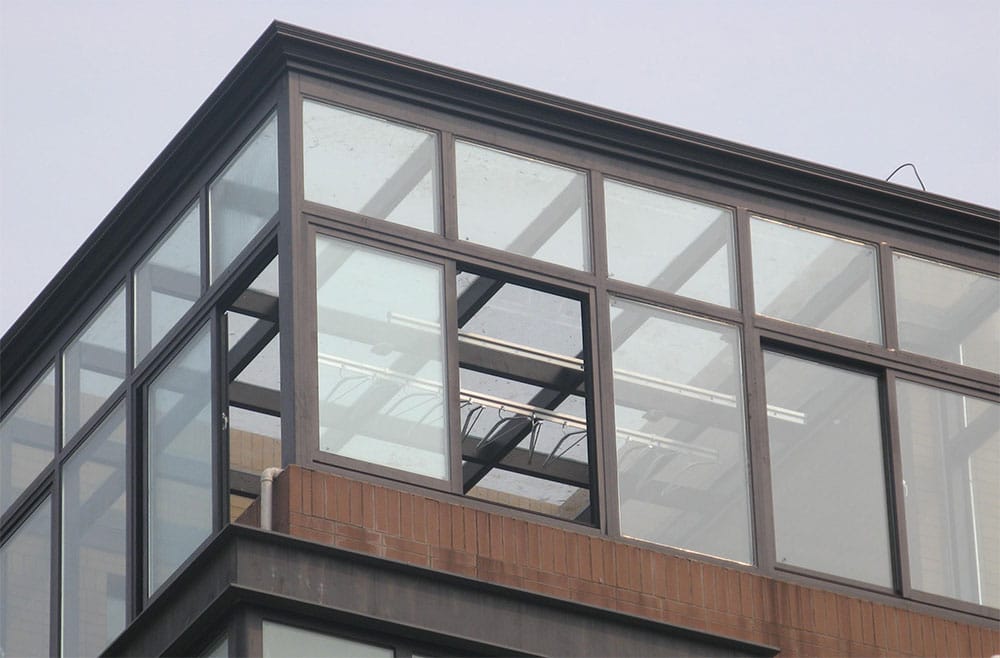
One of the greatest strengths of aluminum curtain walls is the modern aesthetic they provide. Aluminum has a naturally sleek and lightweight texture, and through various surface treatments—such as anodizing, electrophoretic coating, or fluorocarbon spraying—it can achieve durable, vibrant finishes. From afar, buildings look uniform, clean, and modern. Up close, fine detailing and shifting light reflections create a high-end visual experience.
In terms of design, aluminum’s excellent ductility and workability allow for great freedom in shapes and forms. Whether it’s minimalist straight lines, curves, folds, or complex irregular designs, aluminum curtain walls can make it possible. That’s why many renowned architects favor aluminum curtain walls—they offer almost unlimited design potential.
2. Lightweight Yet Strong, Reducing Structural Burden
Structural load is a critical factor in construction. While stone curtain walls look luxurious, they are extremely heavy, which places great demands on the structural system and raises costs. Aluminum, by contrast, has only one-third the density of steel, making it much lighter than stone, while still providing excellent strength and stability.
For example, in a commercial center project in Africa, the original design called for granite curtain walls. Calculations showed that the curtain wall alone added thousands of tons of extra load, requiring thicker slabs and beams, which increased costs by about 15%. When the design switched to aluminum curtain walls, the overall weight dropped by nearly 70%. This not only saved on structural reinforcement but also shortened the construction timeline. The client was highly satisfied—costs went down, and operational safety improved.
Thanks to this lightweight strength, aluminum curtain walls are particularly well-suited for high-rise and super high-rise buildings.
3. Excellent Weather Resistance and Long Lifespan
Curtain walls are constantly exposed to the elements—sun, rain, wind, and temperature fluctuations. Ordinary paint or low-quality metals fade, peel, or corrode after only a few years. Aluminum, however, after treatments like anodizing or fluorocarbon spraying, forms a dense protective layer with outstanding corrosion resistance.
In coastal cities, where salt levels in the air corrode steel structures, aluminum curtain walls remain stable. High-quality aluminum curtain walls can last more than 30 years, maintaining both appearance and performance even in harsh environments.
Take one real case: a landmark office building in Shenzhen installed aluminum curtain walls back in 2000. More than 20 years later, with just basic cleaning every five or six years, the facade still looks bright and fresh, with no obvious fading or corrosion. Its durability far exceeds traditional finishing materials.
4. Energy Efficient and Environmentally Friendly
In recent years, “green buildings” have become an industry priority, and building facades play a key role in energy consumption. Aluminum curtain walls, when combined with insulated glass, Low-E glass, and thermal breaks, provide excellent insulation performance. They help block solar heat in summer and reduce indoor heat loss in winter, thereby lowering air-conditioning and heating costs.
Compared with brick walls, aluminum curtain walls are lighter, more energy-efficient, and consume fewer resources in production and installation. Aluminum is also highly recyclable, and dismantled materials can be reused, aligning with sustainability goals.
In some European projects, the energy-saving performance of aluminum curtain walls is even a government approval requirement. For instance, an ecological office building in Germany used thermal-break aluminum curtain walls extensively, achieving more than a 20% reduction in energy consumption.
5. Easy Construction and Low Maintenance Costs
Aluminum curtain walls are manufactured with high precision. Most components are prefabricated in the factory, so on-site work mainly involves assembly and installation. This greatly improves efficiency and reduces uncertainties during construction—an important advantage for large projects with tight schedules.
In addition, aluminum surfaces are smooth and dust-resistant, making them easy to clean. In most cases, simple washing with water or a mild detergent is enough to restore their shine. By contrast, stone curtain walls often require specialized maintenance, which is much more costly.
For example, a five-star hotel in Dubai installed extensive aluminum curtain walls. The hotel demanded a facade that would “look new for years,” and aluminum curtain walls delivered exactly that. Over a decade of operation, the building has kept its premium appearance with just routine washing, saving significant maintenance expenses.
6. Superior Safety Performance
For high-rise buildings, wind resistance and earthquake performance are essential. Aluminum curtain walls, being lightweight and flexible, combined with proper structural design, effectively distribute wind loads and seismic forces, improving overall safety.
In earthquake-prone and typhoon-prone regions, aluminum curtain walls perform better than stone or concrete facades. This is why many high-rises in Japan and Southeast Asia prioritize aluminum curtain walls—they ensure safety as well as aesthetics.
7. Outstanding Cost Performance
Some assume aluminum curtain walls are expensive. In fact, when considered over the full lifecycle, their cost-effectiveness is excellent. While initial investment may be slightly higher than paint finishes, long-term expenses for maintenance, cleaning, energy savings, and durability are much lower.
It’s similar to buying a car—the purchase price is not the only factor; fuel, maintenance, and depreciation matter more in the long run. Likewise, aluminum curtain walls, with their long lifespan, low upkeep, and energy efficiency, offer owners far greater long-term value than their initial cost suggests.
8. The Future Trend
With advances in global construction technology, aluminum curtain walls are becoming the mainstream for building facades. From the Burj Khalifa in Dubai to landmark towers in Guangzhou, and from African shopping malls to European green office buildings, aluminum curtain walls are everywhere.
This is not just a material choice but an industry trend, representing architecture’s move toward modernization, energy efficiency, and sustainability.
From modern aesthetics to lightweight strength, durability, energy efficiency, safety, and lifecycle cost savings, aluminum curtain walls have clear advantages. Based on my two decades of experience in the curtain wall industry, I can say with confidence: aluminum curtain walls are not just a temporary trend—they are the inevitable choice for the future of architecture.
If you are currently deciding on a facade system for your project, aluminum curtain walls are well worth serious consideration. They meet today’s demands for beauty and performance while delivering long-lasting value for decades to come.
Would you like me to refine this further into a professional blog/article format optimized for SEO (with subheadings and keyword placement), or keep it as a clean translation only?

