
In recent years, Africa’s urbanization process has been accelerating. From Lagos, Nairobi, and Addis Ababa to Cairo and Johannesburg, more and more high-rise buildings, commercial complexes, hotels, and residential communities are under construction. These projects are expected not only to meet basic functional needs but also to achieve higher standards in aesthetics, comfort, and energy efficiency.
Against this backdrop, glass curtain walls, aluminum panel curtain walls, and other façade systems have gradually become the “new favorite” of the African construction market. For many developers and property owners, one key question always arises:What is the price of curtain walls in Africa? This directly affects project budgets and determines whether a balance between appearance and practicality can be achieved.
Why do local clients need curtain walls?
In Africa, curtain walls are not chosen merely for their looks but often for their functionality:
1.Enhancing city image and building grade
As economies grow, many African cities aim to shape modern skylines. Curtain walls give buildings a contemporary and impressive look, often becoming new landmarks.
2.Improving indoor comfort
In regions with strong sunlight and hot climates, traditional brick or painted façades can leave interiors uncomfortably warm. Double-glazed or energy-efficient curtain walls effectively reduce heat transfer and keep interiors cooler.
3.Meeting energy-saving needs
Curtain wall systems help reduce cooling loss and lower air conditioning costs—an important factor in African markets where energy is often expensive.
4.Safety and durability
Modern curtain walls use tempered or laminated glass with high strength and resistance to breakage. They also withstand wind pressure and harsh weather, making them suitable for coastal and windy areas.
Reference price range of curtain walls in Africa
When it comes to curtain wall prices in Africa, many expect a fixed number. In reality, the cost depends on several factors:
1.Type of curtain wall
Glass curtain wall: approx. ¥800–¥1800/m² (USD \$80–\$200/m²), depending on glass configuration.
Aluminum panel curtain wall: approx. ¥600–¥1000/m² (USD \$50–\$110/m²), often used for large commercial or industrial buildings.
Stone curtain wall: higher cost, around ¥1000–¥2500/m².
2.Glass configuration
Single glass: cheaper, but poor insulation and soundproofing.
Double glazing: better performance with reasonable cost, the most cost-effective option.
Low-E coated glass: outstanding energy savings, higher price.
3.Construction and labor
Labor costs in some African countries are relatively low, but curtain wall installation is highly technical and requires skilled teams, making labor a significant factor.
4.Transportation and logistics
Many curtain wall materials are imported into Africa, and transportation often accounts for a notable share of the total cost. Suppliers with local warehouses or partners can help reduce this burden.
Overall, curtain wall prices in Africa are slightly higher than in China but lower than in Europe or the U.S. For most mid- to high-end projects, the common choice is between ¥1200–¥1800/m², which balances aesthetics, energy efficiency, and budget.
Advantages of using curtain walls in Africa
Some may ask:“Are curtain walls a luxury? Are they really suitable for Africa?” The answer is yes.
1.Adaptability to climate
In regions with intense sunlight—such as Nigeria, Ghana, and Kenya—curtain walls paired with shading systems significantly reduce indoor temperatures and air conditioning loads.
2.Enhancing building value
Buildings with curtain walls often look more modern, attract higher rental or sale prices, and deliver better returns for owners.
3.Lower maintenance costs
Unlike painted walls that fade or crack easily, curtain walls are long-lasting and mainly require regular cleaning.
4.Versatility for different projects
Whether for office towers, shopping malls, villas, hotels, or residential buildings, curtain walls offer flexible design solutions.
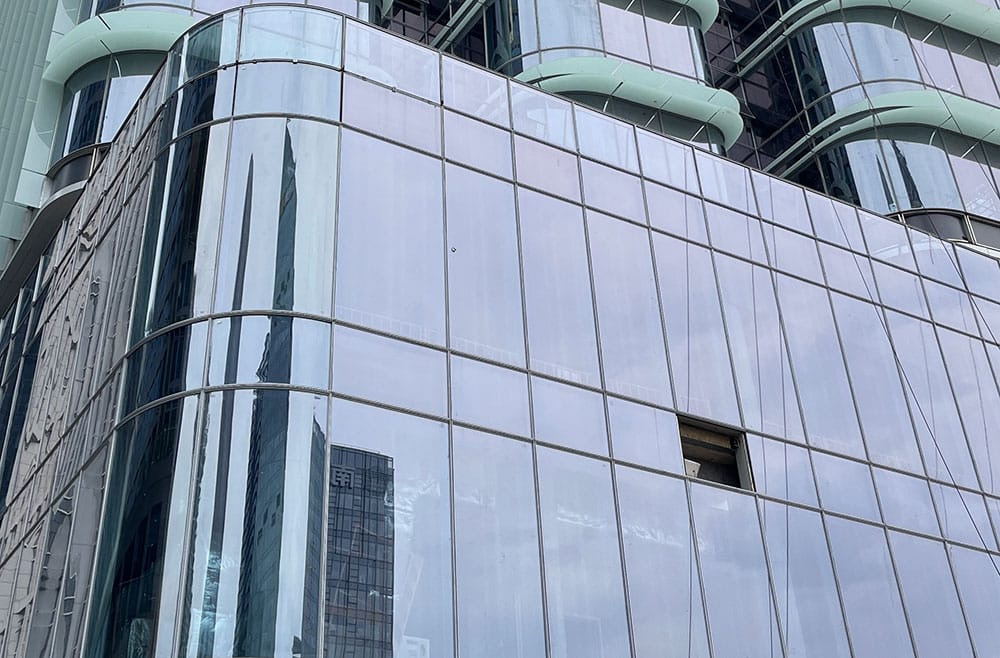
Recommended reliable curtain wall suppliers in Africa
When choosing suppliers, African clients are most concerned about poor material quality, delays, or lack of after-sales service. To avoid these risks, it is crucial to work with experienced suppliers.
ZDMQ Curtain Wall (ZDMQ) is a strong example.
Years of experience: As a professional Chinese manufacturer, ZDMQ has completed multiple projects in Africa.
One-stop service: From design and production to installation and after-sales, minimizing coordination costs.
Proven cases:
In Ethiopia, a high-end hotel adopted ZDMQ’s double-glazing system, achieving notable energy savings.
In Nairobi, Kenya, a glass curtain wall office project improved rental rates and became a local landmark.
Competitive pricing: Leveraging direct supply from Chinese factories combined with local partnerships, ZDMQ offers stable quality at more affordable prices compared with European brands.
In addition to ZDMQ, there are local companies worth considering. They understand local construction conditions and can complement international suppliers. When selecting, clients should prioritize:
Proven project experience
On-time delivery
Reliable after-sales support
How to get the right quotation?
In summary,curtain wall prices in Africa are not fixed figures but depend on wall type, material specifications, construction conditions, and supplier strength. For developers and property owners, the key is finding a supplier that can ensure quality and timely delivery within budget.
If you are preparing a project, you can start by:
1. Defining the building’s purpose (office, mall, hotel, factory, or residence).
2. Setting a budget range (e.g., ¥1200–¥1800/m²).
3. Contacting experienced curtain wall suppliers for detailed proposals and quotations.
If you want to know more about curtain wall prices in Africa or obtain a personalized quotation for your project, feel free to reach out. The right curtain wall solution could be the decisive step toward your project’s success.

