
Curtain Wall Selection Guide
In modern architectural design, curtain walls have become an essential element of both exterior decoration and functional performance. Choosing the right curtain wall directly influences a building’s appearance, user experience, and long-term value. Many developers, architects, and property owners often ask: How should curtain walls be selected?
- Why Curtain Wall Selection Matters
Many assume that curtain walls are just the “outer shell,” serving only a decorative purpose. In reality, they are far more significant. Curtain walls not only shape the character of a building but also affect energy efficiency, safety, maintenance, and return on investment.
Aesthetics: The façade is the “face” of the building, shaping first impressions.
Functionality: Performance such as insulation, soundproofing, shading, and waterproofing all depend on the chosen system.
Cost & Value: Different curtain walls vary in installation costs, maintenance, and long-term returns.
Safety: For high-rises in particular, resistance to wind pressure, fire safety, and seismic performance are critical.
Therefore, scientific curtain wall selection is not about simply “choosing the style you like,” but about balancing purpose, climate, and budget.
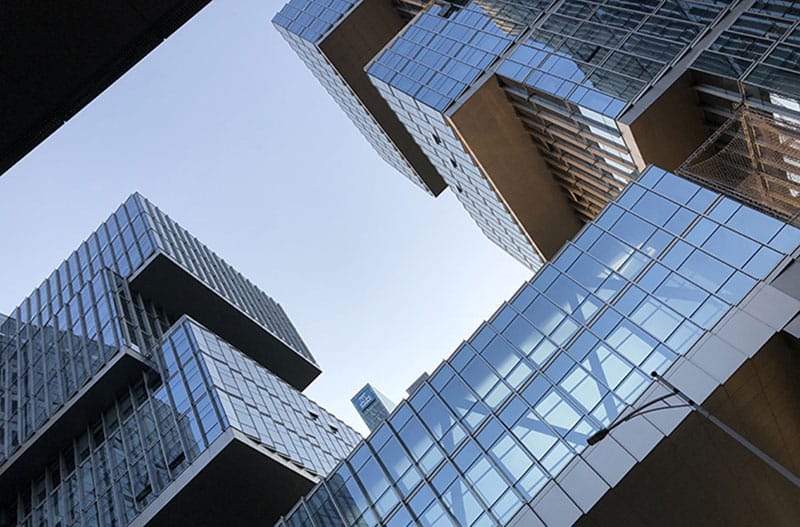
- Overview of Common Curtain Wall Types
Before diving into recommendations for different scenarios, let’s review the most common types:
- Glass Curtain Walls
Features: Highly transparent, modern appearance, widely used in office buildings and commercial centers.
Applications: Ideal for buildings emphasizing image and natural lighting.
- Stone Curtain Walls
Features: Solid, dignified, and premium in texture.
Applications: Government buildings, luxury hotels, museums, and other high-end projects.
- Metal Curtain Walls (aluminum panels, stainless steel, etc.)
Features: Lightweight yet strong, highly flexible, and easy to shape into unique designs.
Applications: Shopping malls, airport terminals, convention centers.
- Glass-Metal Hybrid Curtain Walls
Features: Combines transparency and stability, enabling diverse design possibilities.
Applications: Landmark architecture and super high-rise towers.
III. Curtain Wall Recommendations for Different Scenarios
- High-Rise Office Buildings: Glass Curtain Walls as the First Choice
In major cities, glass facades have become standard for office towers. The reasons are clear:
Prominent image: Large glass surfaces project a sleek, modern identity, attracting tenants.
Daylighting benefits: Natural light reduces daytime energy consumption.
Energy savings: Low-E insulated glass can reduce energy use by 15–20%.
Glass curtain walls not only enhance city skylines but also boost competitiveness in the rental market.
- Luxury Hotels & Clubs: Stone for Prestige
For five-star hotels and exclusive venues, facades emphasize sophistication and elegance.
Stone advantage: Natural textures, weighty presence, and a sense of luxury.
Hybrid approach: Many projects use “stone + glass” to combine daylighting with grandeur.
Granite and glass combinations, for instance, create an international aesthetic while establishing iconic status.
- Commercial Complexes: Metal Curtain Walls for Versatility
Shopping malls and mixed-use complexes require variety and visual appeal.
Metal advantage: Strong plasticity, suitable for creative shapes.
Added value: Can be paired with LED lighting or artistic elements for nighttime impact.
For example, an aluminum-panel façade combined with lighting can make a mall resemble a “futuristic ship,” greatly enhancing commercial appeal.
- Public Buildings: Balancing Function and Economy
For airports, stations, and convention centers, facades must deliver beauty, function, and efficiency.
Recommended system: Glass-metal hybrid.
Reason: Offers openness, fast construction, and an imposing visual presence.
One international airport terminal, for instance, adopted this system, achieving both functional efficiency and landmark recognition.
- Residential Projects: Blending Traditional and Modern
For most housing projects, curtain wall selection requires balancing affordability with comfort.
Traditional approach: Painted or tiled facades remain common.
Upgraded approach: Some premium residences use partial glass curtain walls for living rooms or balconies, enhancing openness and value.
In high-end apartments, incorporating limited curtain wall design can improve both the living experience and market appeal.
- Common Questions on Curtain Wall Selection
- Is curtain wall selection only about budget?
No. While budget matters, functionality, safety, and long-term operating costs are just as important. For example, although glass curtain walls cost more upfront, their energy efficiency often makes them more economical in the long run.
- Are curtain walls prone to leakage?
Not if properly designed and constructed. Standard systems include complete drainage solutions. Always check supplier qualifications and contractor experience.
- Are glass curtain walls suitable for residential buildings?
Yes, for small-scale or partial use—especially in scenic apartments, where they improve views. However, full-scale adoption in standard housing is rarely cost-effective.
- Does climate affect curtain wall selection?
Absolutely. Cold regions require superior thermal insulation, while hot, humid climates demand attention to shading and ventilation. Coastal cities must also account for wind resistance and corrosion protection.
- Suggested Three-Step Approach to Curtain Wall Selection
- Define the Building’s Purpose
Office, residential, hotel, or public facility? Positioning determines façade style and budget.
- Adapt to Climate and Environment
Local conditions matter—e.g., coastal regions need strong wind resistance and anti-corrosion materials.
- Evaluate Long-Term Value
Look beyond initial cost. Factor in energy efficiency, maintenance, and secondary value. Curtain wall selection is an investment for the building’s lifecycle.
Final Thoughts
Curtain wall selection is not just about aesthetics—it’s a comprehensive decision involving appearance, function, cost, and long-term return.
High-rise offices generally favor glass curtain walls.
Luxury hotels lean toward stone facades.
Commercial complexes benefit from metal systems.
Public buildings often adopt glass-metal hybrids.
Residential projects mostly use traditional finishes, with limited curtain wall applications for added value.
For developers and property owners, the key is to choose a solution aligned with the project’s positioning and environment. A well-chosen system not only enhances the building’s presence in the city but also delivers lasting operational and financial benefits.

