
The Differences Between Glass Curtain Walls and Brick Walls
In today’s urban architecture, glass curtain walls and brick walls are among the most common facade materials. Walking through the streets of major cities, you’ll notice that towering skyscrapers often feature glass curtain walls, while traditional residential areas or older neighborhoods are still dominated by brick walls. For many owners, designers, and developers, comparing the two materials is a crucial step in deciding which better suits their project needs.
Here, ZDMQ takes a comprehensive look at the advantages and disadvantages of glass curtain walls versus brick walls to help make informed decisions.
- Structural and Material Differences
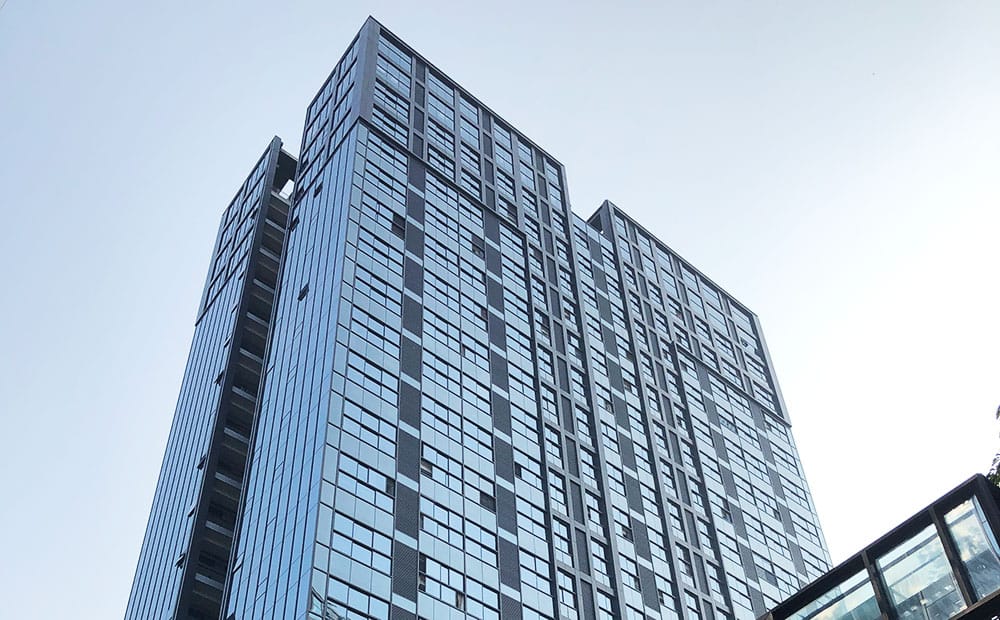
A glass curtain wall is a lightweight exterior wall system made of a metal frame and large glass panels. It is not load-bearing but serves as the building’s enclosure, commonly used in office towers, commercial complexes, and high-end residences.
A brick wall, by contrast, is one of the most traditional building walls, constructed with clay or concrete bricks. It serves both as a load-bearing structure and as an enclosure.
From a structural perspective, the differences are clear:
Glass curtain walls are “non-load-bearing” and mainly provide separation and decoration. The primary load is carried by the building’s main structure.
Brick walls often combine load-bearing and enclosure functions, forming part of the structural system.
- Appearance and Visual Effect
In modern cities, aesthetics play an increasingly important role.
Glass curtain walls convey transparency, lightness, and modernity, making them a top choice for premium projects. At night, when lights shine through the facade, buildings exude a landmark presence.
Brick walls, on the other hand, appear heavy and traditional. Their color range is limited, and they cannot achieve the same dynamic visual effect.
Case in point: The Shanghai World Financial Center features a full glass curtain wall, creating a sleek and modern skyline landmark. In contrast, nearby older residential blocks with brick construction look solid but bulky, lacking a sense of style. This is perhaps the most visible difference between the two.
- Energy Consumption and Comfort
A common concern is whether glass curtain walls consume more energy.
According to the Green Building Energy Report, single-pane glass curtain walls indeed consume about 20% more energy than brick walls. However, with the widespread adoption of insulating glass and Low-E coated glass, this gap is narrowing rapidly, and in some cases, glass facades even outperform brick.
Energy-efficient glass can block infrared radiation, cutting summer cooling costs by 15%–25%.
In cold regions, insulated glass curtain walls reduce winter heating losses by around 20%.
Brick walls, being denser, naturally provide good insulation. However, without additional thermal layers or insulation, they may still fall short in comfort.
In other words, when it comes to energy consumption, the difference between glass curtain walls and brick walls depends less on “high vs. low energy use” and more on the glass technology and construction methods applied.
- Cost and Investment Analysis
Brick walls:
Lower initial cost with mature construction methods, making them suitable for budget-conscious residential or industrial buildings.
However, their weight adds significant structural load in high-rise buildings, increasing foundation costs.
Glass curtain walls:
Higher upfront investment, particularly for high-performance glass.
Lighter in weight, which reduces building loads and saves on some structural costs.
More importantly, they raise a building’s profile and commercial value.
From an investment perspective, while glass curtain walls require more capital initially, they often deliver higher long-term returns.
- Safety and Durability
Some worry about the safety of glass curtain walls. In reality, when materials and construction meet national standards, their safety is not inferior to brick walls.
Tempered glass shatters into small, blunt particles rather than sharp shards.
Laminated glass holds together even when broken, reducing the risk of falling debris.
Brick walls, though stable, are not without issues. They can weather, crack, or allow water seepage. In many older neighborhoods, spalling brick facades pose safety risks.
Therefore, safety depends more on “age and construction quality” than on the material itself.
- Maintenance and Management
Glass curtain walls require regular cleaning and upkeep. For example, a 50-story tower may spend about RMB 500,000 annually on facade cleaning.
Brick walls are cheaper to maintain but age more quickly in appearance. Renovations and repainting can also be costly.
For high-end commercial properties, owners are usually willing to bear the maintenance costs of curtain walls because the added prestige and higher rental returns far outweigh the expenses.
Case in point: In a Guangzhou mixed-use project, the client initially preferred brick for its lower cost. But energy simulations and ROI analysis showed:
With brick, the building would appear ordinary, with expected rents similar to older projects.
With glass curtain walls, upfront costs rose about 15%, but building positioning improved significantly, and rents were projected to be 20% higher.
The client chose glass. After completion, the project reached a 95% leasing rate, well above the local average. This highlights how glass curtain walls surpass brick walls in commercial value.
Common Questions
Are glass curtain walls suitable for residential buildings?
Some high-end residential projects use them, but they must be paired with energy-saving systems. For regular housing, brick with insulation remains the mainstream choice.
Are glass curtain walls much more expensive than brick walls?
On average, single-pane glass curtain walls cost about 1.5–2 times more than brick walls, with high-performance glass costing even more. However, when long-term value and rental premiums are factored in, the higher cost is often justified.
What is the lifespan of glass curtain walls?
Properly installed glass curtain walls typically last 30–45 years. With regular maintenance—such as replacing sealants and checking the framework—their service life can be extended.
Final Thoughts
The differences between glass curtain walls and brick walls go beyond material. They also symbolize different eras of architectural development: brick walls represent tradition and solidity, while glass curtain walls signify modernity and the future.
For owners, if a project targets the high-end market or seeks to become a landmark, glass curtain walls are almost always the natural choice. For budget-sensitive projects or those with environmental constraints, brick walls remain a reliable solution.
Looking ahead, with the rise of photovoltaic glass and smart-tinting glass, curtain walls are expected to overcome more limitations and may even replace brick facades as the mainstream standard.
In summary, the differences between glass curtain walls and brick walls lie in structure, appearance, energy performance, cost, safety, and maintenance. Glass offers modern appeal and higher commercial value, while brick remains advantageous in affordability and traditional stability.
Choosing between them depends on project positioning, budget, long-term operation value, and environmental conditions. Ultimately, the right facade is not just a building’s “outer skin” but also a key factor influencing comfort and overall value.

