
In modern architectural design, glass curtain walls have become one of the most iconic exterior façade features. Not only are they commonly seen in skyscrapers, but in recent years, more and more villas, private homes, and even self-built houses are beginning to explore whether a house is suitable for glass curtain walls. Families who pursue natural lighting, style, and individuality often ask: can residential glass curtain walls truly improve the living experience? Let’s explore this topic together.
The Appeal of Residential Glass Curtain Walls
Natural Lighting Advantage
The biggest highlight of glass curtain walls in houses is their ability to fill the interior with natural light. According to the China Annual Report on Building Energy Efficiency, buildings with glass curtain walls see an average increase of 35% in natural daylighting. For long-term residents, this means reduced reliance on artificial lighting during the day while also improving mental well-being.
For example, in a villa community in the U.S., a homeowner designed a large glass curtain wall in the living room. After moving in, he noticed that the interior felt more open, and his family enjoyed daily activities much more. This is the direct benefit of using residential glass curtain walls.
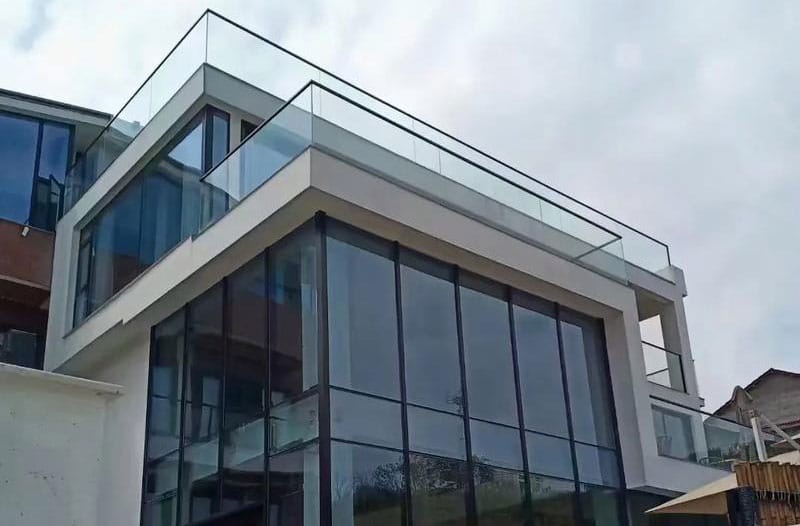
Aesthetic and Modern Look
In terms of appearance, glass curtain walls give homes a stylish and modern image. Compared to traditional brick walls, glass makes a structure look lighter and more elegant. In particular, villas and high-end residential projects often use glass curtain walls as key design features to showcase individuality.
A case study from a luxury community in Shanghai revealed that villas with glass curtain walls on their façades were sold at prices 10%–15% higher than similar homes with traditional exterior finishes. This shows that residential glass curtain walls not only add aesthetic value but can also increase property market value.
Potential Concerns of Residential Glass Curtain Walls
Energy Consumption and Insulation Challenges
One of the most common concerns among homeowners is energy efficiency. Ordinary glass has limitations in insulation, leading to overheating in summer and heat loss in winter.
However, with the rise of insulated glass and Low-E coated glass, these problems are gradually being solved. For instance, a homeowner in Guangzhou installed double-glazed curtain walls in his villa. During summer, his air conditioning consumption was reduced by 18% compared to standard glass, showing that the right glass selection can effectively manage energy use.
Safety and Privacy Issues
Another concern is safety and privacy. If ordinary glass is used, large curtain walls may pose risks of breakage. Today, however, most residential glass curtain walls use tempered or laminated glass, which is 3–5 times stronger than regular glass and shatters into safe fragments instead of sharp shards.
As for privacy, solutions include reflective glass, smart dimming film, or integrated curtain systems. For example, in a residential project in Shenzhen, developers equipped glass curtain walls with switchable smart glass. With just a button, homeowners can shift between transparent and frosted modes, ensuring both privacy and lighting.
Suitable Scenarios for Residential Glass Curtain Walls
Villas and Luxury Homes
Villas and high-end houses with larger structures are especially suitable for glass curtain walls. Not only do they create unique appearances, but they also integrate seamlessly with gardens or courtyards, bringing residents closer to nature.
Urban Residential Applications
In urban homes, glass curtain walls are also practical but often used in specific areas. For example, balconies, living rooms, or stairwells can feature glass curtain walls to enhance space and visual openness without raising whole-house energy costs.
Personalized Self-Built Homes
For self-built houses, suitability depends on climate conditions. In hot, humid southern regions, insulated and coated glass helps reduce heat gain, while in northern colder areas, triple-glazed glass is recommended for better insulation.
Cost and Maintenance of Residential Glass Curtain Walls
Cost Investment
Many homeowners worry about cost. On average, residential glass curtain walls cost between 800–1500 RMB per square meter, with premium options exceeding 2000 RMB. While more expensive than brick walls, the investment is often worthwhile for improved aesthetics, comfort, and energy savings.
Maintenance and Upkeep
Glass curtain walls require regular cleaning and maintenance. For high-rise residences, professional cleaning teams are often necessary to ensure safety and appearance.
Common Questions About Residential Glass Curtain Walls
Q1: Are glass curtain walls suitable for all climates?
Not necessarily. Hot climates require strong insulation, while cold climates demand superior thermal performance. Choosing the right glass and frame materials is key.
Q2: Are glass curtain walls dangerous?
No, as long as high-quality tempered or laminated glass is used and installed by certified professionals, safety is well ensured.
Q3: Does the entire house need to have glass curtain walls?
Not at all. They can be applied selectively in areas like living rooms or balconies to balance functionality and design.
Q4: What is the lifespan of residential glass curtain walls?
High-quality systems can last over 25 years with proper maintenance.
A Real Case Example
I once participated in a villa project in Shatar, Middle East, where the homeowner initially worried about energy consumption. Ultimately, they chose double-silver Low-E insulated glass curtain walls. After one year of living there, they found heating costs in winter dropped by 12%, while cooling costs in summer were reduced by 20%. The family’s comfort level improved significantly, proving that with proper design and materials, residential glass curtain walls can be an excellent upgrade option.
Glass curtain walls are not exclusive to skyscrapers — they can be a valuable addition to residential homes as well. With proper attention to safety, energy efficiency, and privacy, they offer better lighting, a modern appearance, and a more enjoyable living environment. For homeowners seeking quality living, residential glass curtain walls are certainly worth considering.
If you are still debating whether to install glass curtain walls in your home, start by evaluating your budget and actual needs. Choosing the right manufacturer and professional installation team will make your home more beautiful, comfortable, and energy-efficient. The time to act is now — add a stunning glass curtain wall to your house and elevate your living experience.

