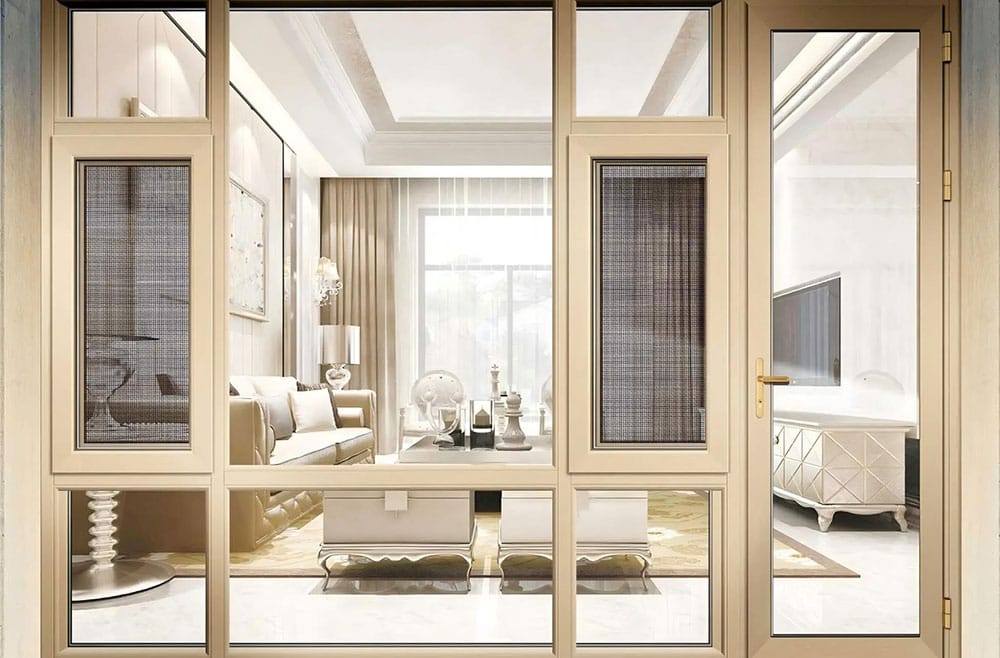
In the world of modern architecture and building design, choosing the right type of exterior wall can significantly impact a building’s appearance, energy efficiency, and overall performance. The most common choices are between glass curtain walls and traditional windows. But which one really wins in terms of long-term value?
This article will explore the differences between glass curtain walls and traditional windows, comparing their functionality, aesthetics, cost, energy performance, and application scenarios to help building owners, contractors, and architects make an informed decision.
What is a glass curtain wall?
A glass curtain wall is a non-structural exterior wall that is primarily made of glass and an aluminum frame. It is often used in commercial buildings and high-rise buildings to create a sleek, modern look. The system is “hung” from the building structure, which means it does not bear any loads other than its own weight and wind forces.
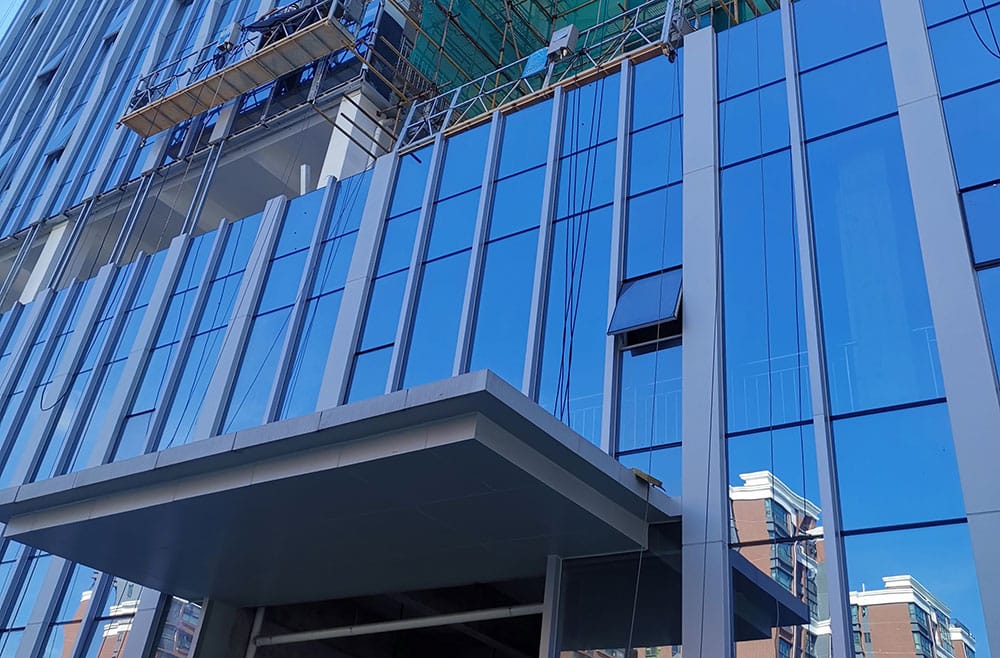
Key Features of Glass Curtain Walls:
Full Glass Exterior
Lightweight Aluminum Frame
Often Spanning Multiple Floors
Can Be Used with Openable Windows
Advanced Insulation Solutions
What is a Traditional Window?
Traditional windows are typically installed in openings in load-bearing walls. They come in a variety of sizes, materials, and features, from fixed and casement to sliding and double-hung. These windows are most commonly found in residential and low-rise buildings.
Key Features:
Installed individually in wall openings
Often made of UPVC, wood, or aluminum
Easy to replace and maintain
Affordable, suitable for small projects
Aesthetic Comparison
Glass Curtain Walls:
When it comes to visual appeal and modern aesthetics, glass curtain walls are the clear winner. Their continuous glass surface offers a sleek, high-end look with a strong architectural statement.
Suitable for corporate buildings, factories, shopping malls, hotels, and more
Can integrate colored or tinted glass for a unique look
Enhance natural light and create a sense of openness
Traditional Windows:
While traditional windows may lack wow effects, they are versatile and complement a variety of architectural styles.
Suitable for residential and historic buildings
Available in a variety of shapes, colors and frame options
Often paired with curtains, blinds or grilles for added design
Glass Curtain Walls:
Modern glass curtain wall systems are designed with energy efficiency in mind, often using double or triple glazed units, low-e coatings and thermal insulation strips.
With proper design, heating/cooling costs can be reduced
Provides solar control and daylight harvesting benefits
Traditional Windows:
While traditional windows can also save energy, their performance depends largely on the quality of materials and installation.
UPVC and wood offer good thermal insulation
Easier to replace and upgrade for energy efficiency
If not maintained, they may leak over time
Conclusion: Well-designed glass curtain walls outperform traditional windows in terms of energy efficiency, especially in commercial buildings.
Structural Performance and Safety