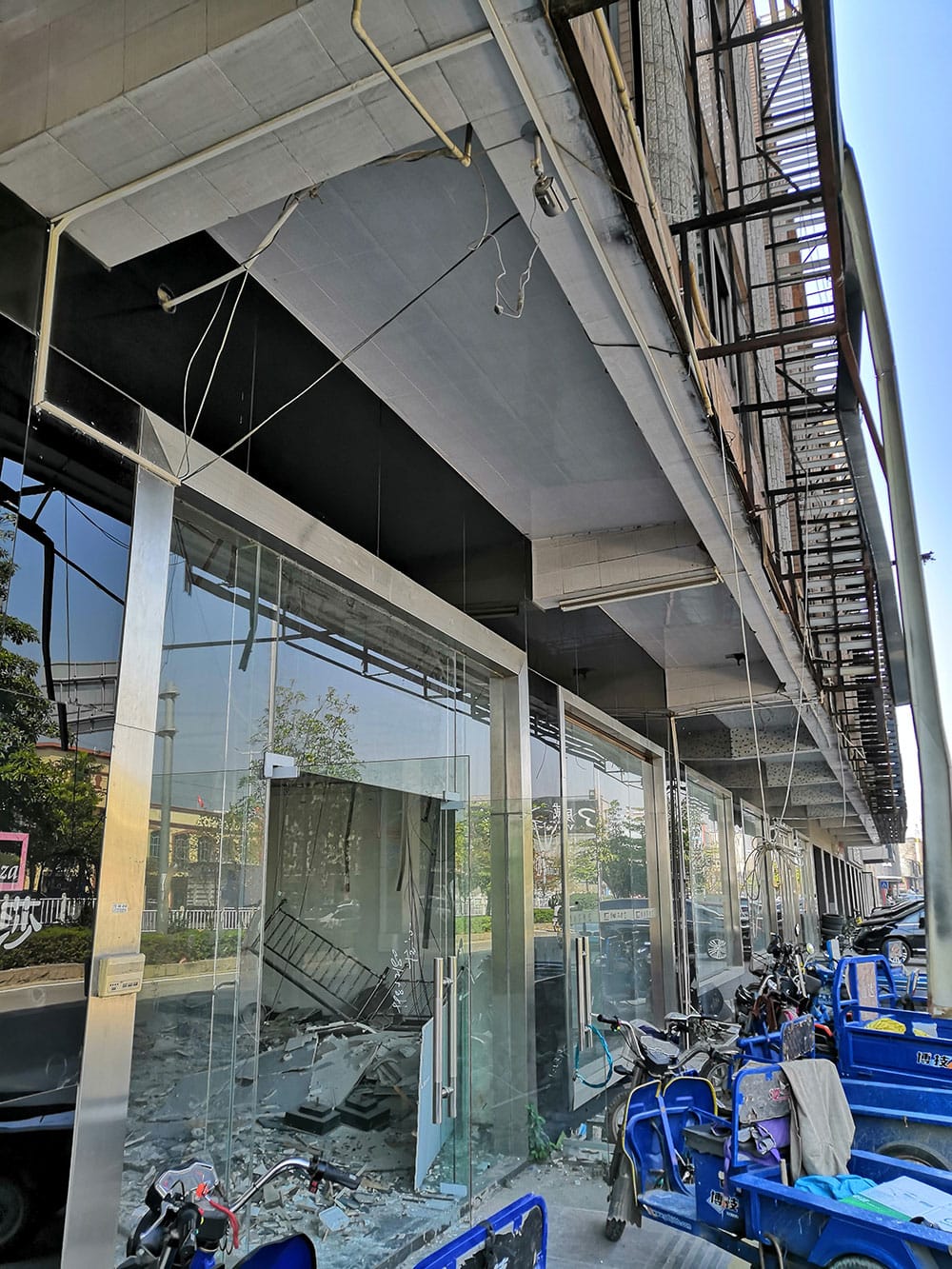
Glass curtain wall is a very modern building facade solution, widely used in commercial office buildings, high-end residences, hotels, airports and other buildings. Glass curtain wall not only enhances the beauty of the building, but also introduces natural light and enhances the value of the building. However, there are many technical and construction problems hidden behind the glass curtain wall system, and it is easy to “step into the pit” if you are not careful.
Today, Zhongdong Curtain Wall will analyze the common problems in the process of making glass curtain walls for you from 10 dimensions in detail, and put forward professional suggestions to help you effectively avoid risks in actual projects.
1. The design stage of glass curtain wall is not rigorous, which buries hidden dangers
In order to meet the deadline, many glass curtain wall projects have been hastily designed, ignoring important factors such as structural load, temperature difference deformation, wind pressure, etc., resulting in frequent problems in later construction or use.
Common problems:
Incorrect calculation of wind load
Ignoring building settlement and thermal expansion
Inadequate cooperation with structural design units
Not fully considering the curtain wall opening method and safety exit requirements
Suggestions:
Please be sure to introduce professional curtain wall consultants or system manufacturers in the early stage of design to conduct 3D modeling, structural simulation, and thermal analysis to ensure that the solution is feasible, sustainable, safe and reliable.
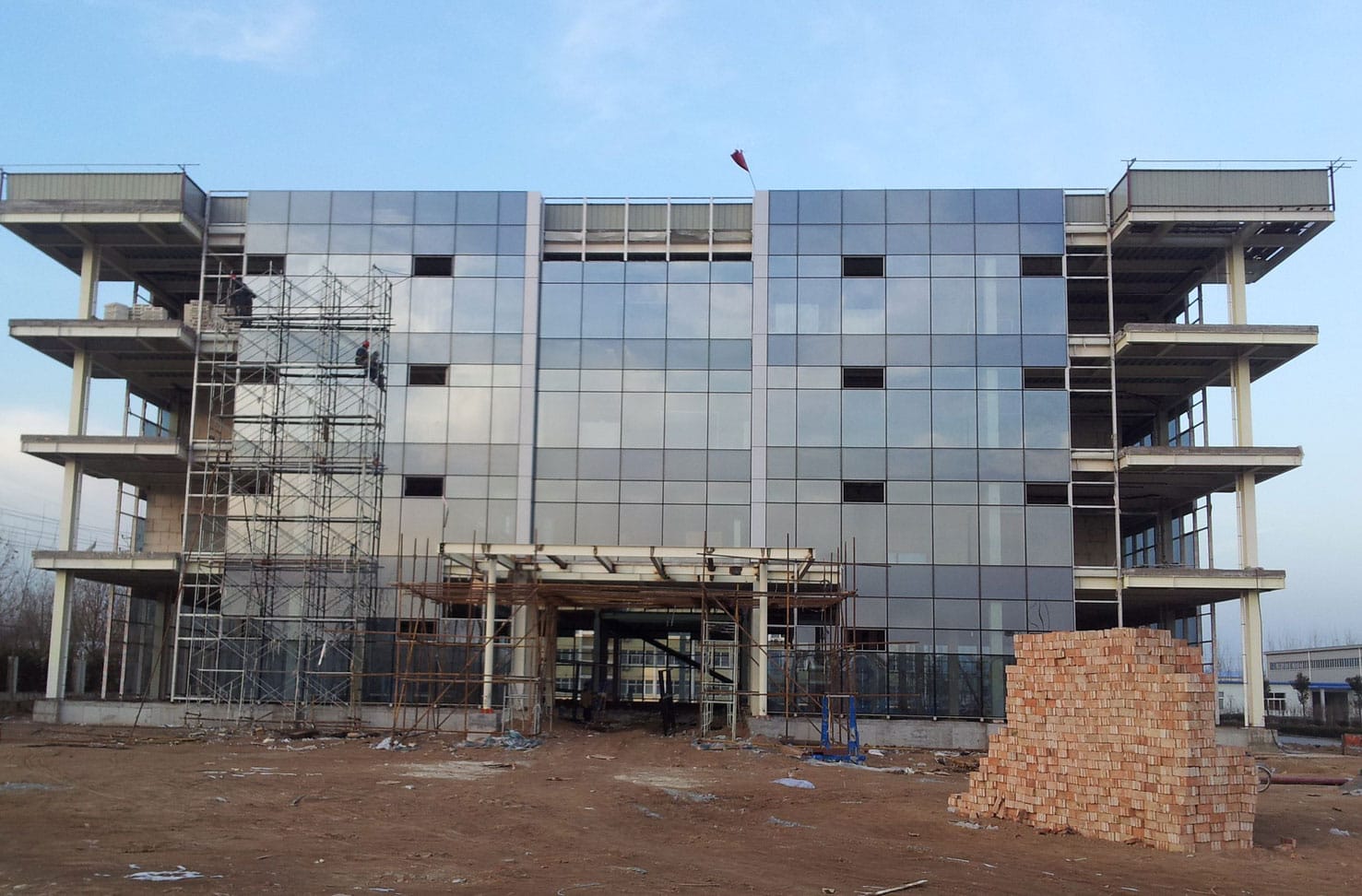
2. Wrong curtain wall glass type selection, performance cannot meet the standard
Glass selection not only determines the aesthetics, but also affects the actual use experience of heat insulation, sound insulation, safety, and sun protection. Choosing the wrong glass will not only fail to achieve the expected effect, but also bring hidden dangers.
Common mistakes:
Transparent glass is used in tropical areas, resulting in indoor overheating
Insulating/laminated glass is not used in noisy urban environments
Tempered or laminated glass is not used in high-rise buildings
Special needs such as explosion-proof, anti-theft, and UV protection are not considered
Suggestions:
Choose professional configurations such as Low-E insulating glass, laminated glass, and fireproof glass according to the project’s geographical location, orientation, and functional requirements, and ensure that they meet local energy-saving standards.
3. Unreasonable design of the structural system leads to deformation or damage
Glass curtain wall is not only an exterior decoration, but also a building envelope structure. Many projects ignore the design of the structural support system, resulting in serious lack of safety.
Typical problems:
Insufficient column size, load-bearing deformation
Wrong design of embedded parts of point-supported curtain wall
Aluminum profile wall thickness does not meet the standard, connectors fall off
Stress concentration at the joint of components, glass burst
Suggestions:
Choose a supplier with curtain wall design experience, perform system calculations based on project height, wind pressure, and earthquake intensity, and use profiles and accessories certified by a third party.
4. Unreasonable waterproof design, frequent leakage
Water tightness is a core indicator of the glass curtain wall system, especially in areas with frequent rain or typhoons. If the drainage design is not in place, it is easy to seep, mold, and even wall damage.
Common loopholes:
Irregular sealant construction
Drain holes blocked or improperly arranged
Aging and deformation of sealant strips
Suggestions:
Adopt a double waterproof design idea: structural sealing + drainage diversion, and use high-quality weather-resistant silicone glue, do a good job of bonding test before construction, and conduct water tightness test after completion.
V. Unprofessional construction team leads to overall failure
The installation accuracy of glass curtain walls is extremely high. Many construction units lack professional experience or temporarily form teams, resulting in large installation errors and many safety hazards.
Common construction problems:
Components were not constructed according to the drawings, and on-site modifications were serious
Fasteners were not tightened according to the standard torque
The verticality and horizontality deviations of the curtain wall were large
The installation order was chaotic, and the glass could not be replaced or maintained after installation
Suggestions:
Choose a construction unit with curtain wall qualifications and rich case experience, and set up on-site supervision to measure and measure key nodes.
6. Ignoring thermal performance leads to energy-saving failure or condensation
If the thermal design is not in place, the glass curtain wall system will not only fail to save energy, but may also have “cold bridge” and “heat bridge” effects, condensation in winter and skyrocketing energy consumption in summer.
Common problems:
The aluminum profile is not equipped with a thermal insulation bridge
Using ordinary single glass, the heat transfer coefficient is too high
The air conditioning load design is overestimated or underestimated
Condensation causes window frames to mold and drip
Suggestions:
Use a thermal insulation aluminum system + hollow glass configuration, and perform thermal simulation according to the local climate to ensure that the overall heat transfer coefficient of the glass curtain wall system meets the energy-saving standards.
7. Ignoring regional environmental differences
There are huge differences in the requirements for glass curtain wall systems in different regions. For example, coastal areas focus on corrosion protection, plateau areas focus on air pressure adaptability, and tropical areas emphasize heat insulation and sun protection.
Situations where you are prone to pitfalls:
Tropical high temperatures cause glass to burst (thermal stress)
Severe corrosion of aluminum profiles in coastal areas
Scratched profiles and aging of sealing strips in dusty areas
High-altitude pressure differences cause hollow glass to burst
Suggestions:
Understand the climate, wind pressure, ultraviolet intensity and other indicators of the country or region where the project is located, and customize regional exclusive system solutions from glass curtain wall manufacturers with international experience.
8. Failure to consider the procurement cycle affects the construction period
Many projects do not understand the production and transportation cycle of the glass curtain wall system in advance, resulting in forced delays in the construction period, stagnation of on-site installation, and even the risk of claims.
Typical problems:
Ignoring the production cycle of aluminum extrusion, glass tempering, etc.
Delays in international transportation customs clearance
Inconsistency between the time the installation team enters the site and the time the materials arrive
Suggestions:
Include the glass curtain wall system in the early procurement plan of the project, communicate with the supplier about the detailed production schedule, and reserve a certain logistics buffer period, especially in export projects.
9. Ignore future maintenance costs
Glass curtain walls not only require rigorous construction processes, but also maintenance during use is equally important. If maintenance channels or replacement plans are not considered in the early stage, the cost will be very high if problems occur in the future.
Common consequences:
Difficulty in cleaning the exterior wall, long-term dust accumulation
The pre-embedded hanging basket and climbing frame are not designed, and maintenance is difficult to start
Suggestions:
Consider the maintenance channel, opening window ratio, and glass replacement method simultaneously during the design phase. It is recommended to adopt a modular and detachable curtain wall system structure.