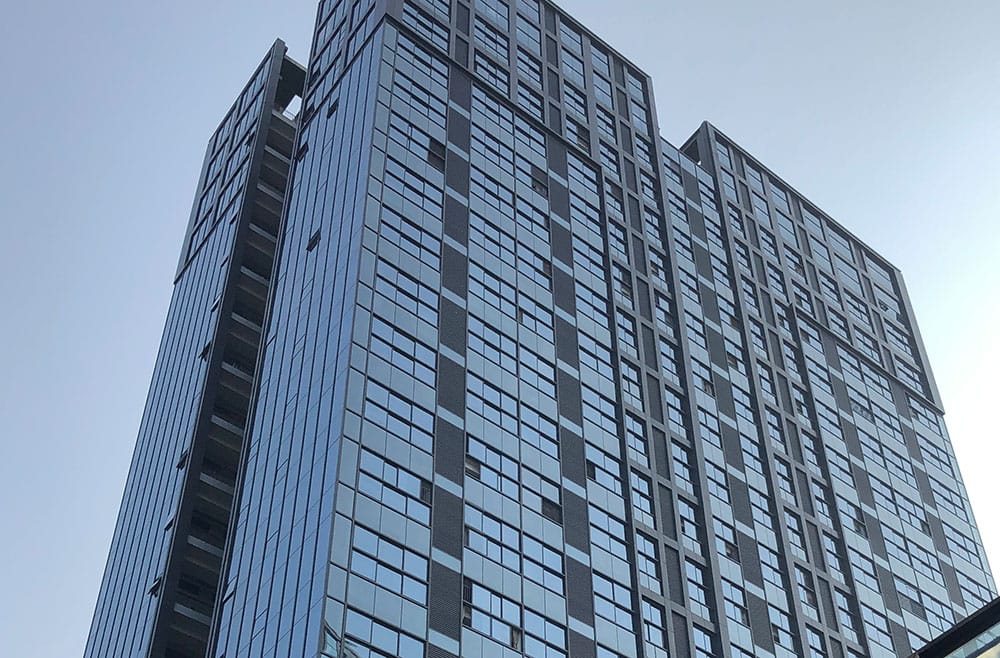
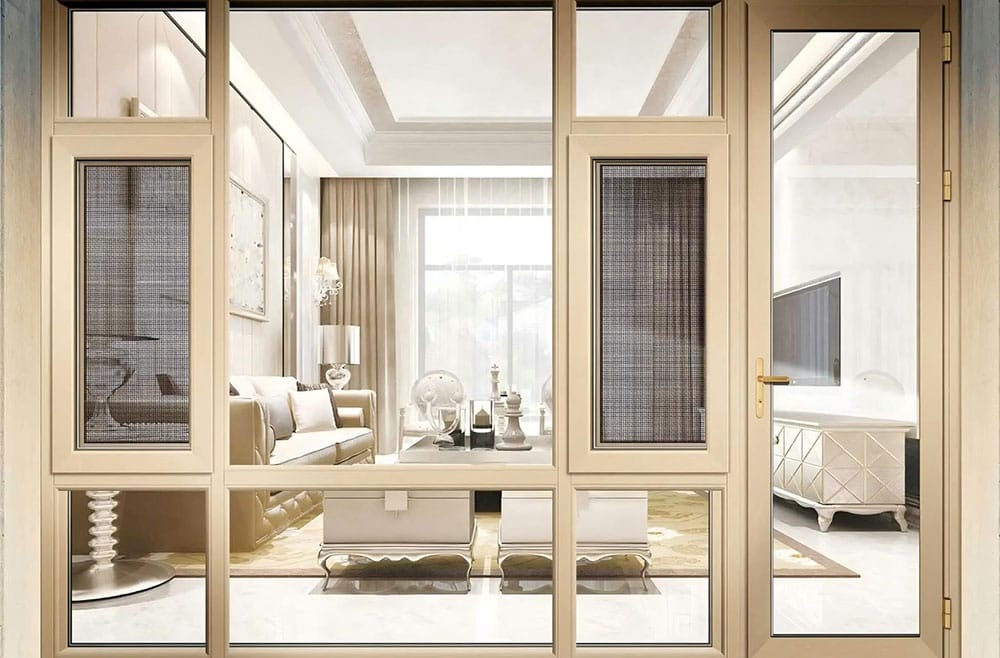
Material Characteristics | | |
* Frame Materials | Wood, uPVC (plastic), Aluminum Alloy (mainly thermal break), Steel (less common). Relatively smaller sections, thinner wall thicknesses. | Primarily Aluminum Alloy profiles, also Steel profiles, Stainless Steel profiles, Glass fins, Cable structures. Profiles have large sections, thick walls (typically ≥3mm), requiring high strength and stiffness. |
* Panel Materials | Primarily Glass, sometimes screens, louvers, panels (e.g., aluminum panel windows). Usually single glazing (clear, tempered, insulating, Low-E, etc.). | Extremely diverse: Glass (single, insulating, laminated, Low-E, fritted, vacuum, fire-rated, etc.), Metal Panels (aluminum, steel, copper, titanium zinc), Stone (granite, marble), Composite Panels (terracotta, porcelain, fiber cement, polycarbonate), even fabrics, living walls. Diverse panel combinations. |
* Sealing Materials | Rubber gaskets, sealants (e.g., silicone), foam sealants. Relatively lower requirements. | High-performance sealing systems: EPDM rubber gaskets, structural silicone sealants, weatherproof sealants, gaskets. Require high weather resistance, high elasticity, long lifespan to withstand greater movement and harsh environments. |
* Connectors | Hinges, pivots, friction stays, handles, locks, primarily for operation and fixing. | Complex, high-capacity connection systems: Embeds, brackets, angles, bolts, stainless steel spider fittings (point-supported). Require precise design to transfer self-weight, wind loads, seismic loads to the primary structure. |
Structural Form | | |
* Relationship to Structure | Embedded within wall openings. Rely on the surrounding wall for support and fixing. Frame requires sealing/jointing to the wall. | Suspended/supported outside the primary structure (beams, columns, slabs). Connected reliably to the primary structure via dedicated connection components (e.g., embeds, brackets). A gap exists between the curtain wall and the primary structure (to accommodate movement). |
* Load-Bearing Mechanism | Primarily bear self-weight and localized wind pressure at the opening. Loads are relatively small. | Bear self-weight, wind loads, seismic action, thermal movement, etc. Loads transfer path: Panel → Support Frame (mullions, transoms) → Connectors → Primary Structure. Do NOT bear primary structural loads. |
* Structural System | Discrete, independent units. Each door/window unit is installed separately. | Continuous, integrated system. Composed of panels, support framing (vertical mullions, horizontal transoms), connectors, and sealing systems forming a continuous cladding surface covering large areas or the entire building facade. |
* Movement Capability | Limited ability to accommodate opening deformation. | Must possess excellent movement accommodation capability (inter-story drift capability ≥ 1/100 ~ 1/200) to absorb deformation of the primary structure due to wind, earthquake, and thermal effects, preventing panel or frame damage. |
* Typical Forms | Casement windows, sliding windows, top-hung windows, tilt & turn windows, swing doors, sliding doors, folding doors. | Stick-built (conventional) curtain walls (captured, structurally glazed, semi-captured), Unitized curtain walls, Point-supported glazing (glass fin, cable truss, space frame), All-glass systems, Double-skin facades (ventilated), Stone cladding, Metal panel cladding. |
Usage & Purpose | | |
* Primary Function | Opening/closing, ventilation, daylighting, visual connection, access/passage (doors), separation of indoor/outdoor spaces. Performance requirements (thermal, acoustic, waterproof) vary by building. | Building external envelope (weather barrier – wind, rain; thermal insulation; sound insulation; fire protection), Building facade design/aesthetics (appearance, modern feel, landmark status), Daylighting (large areas). Daily operation is NOT the primary focus (though operable vents exist). |
* Application Location | Openings within walls. Primarily used for rooms, balconies, entrances – locations needing ventilation, light, or access. | Cover the entire building facade or large portions of it. Common on high-rises, skyscrapers, large public buildings (airports, stations, malls, offices, cultural centers) as the non-masonry exterior cladding. |
* Scale | Relatively small. Size limited by opening dimensions and profile strength; single unit width/height is typically constrained. | Massive scale. Can cover single or multiple stories in height, span multiple bays horizontally. Forms a continuous, large-area building skin. |
* Design Focus | Functionality (operation, ventilation, water/air tightness), Energy efficiency, Safety (security, fall prevention), Operability. | Structural safety (wind resistance, seismic performance), Envelope performance (water/air tightness, thermal, acoustic, fire), Aesthetic impact, Durability, Maintainability. |