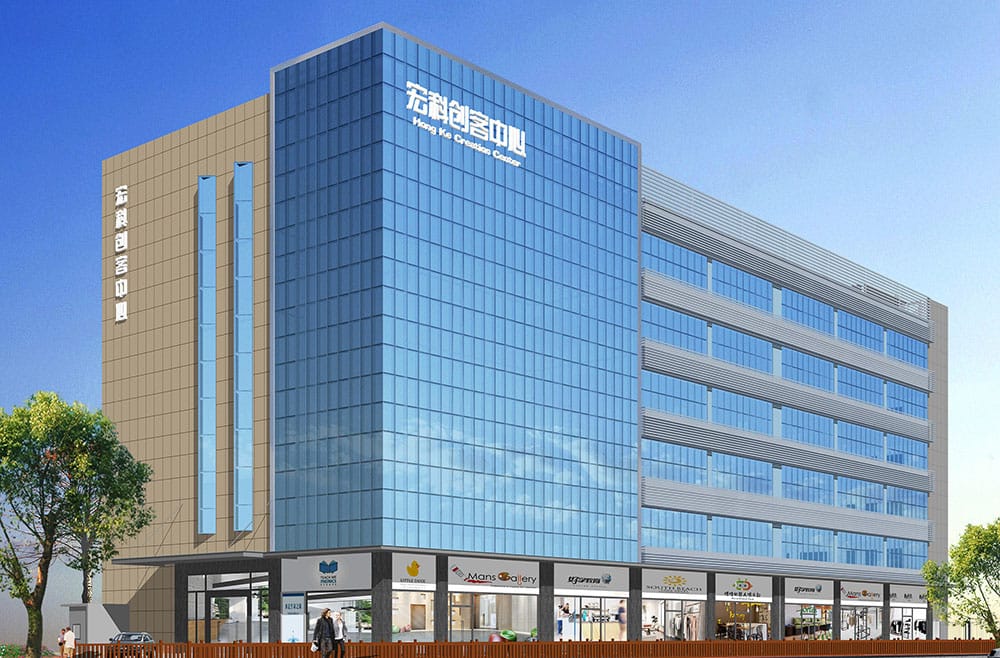
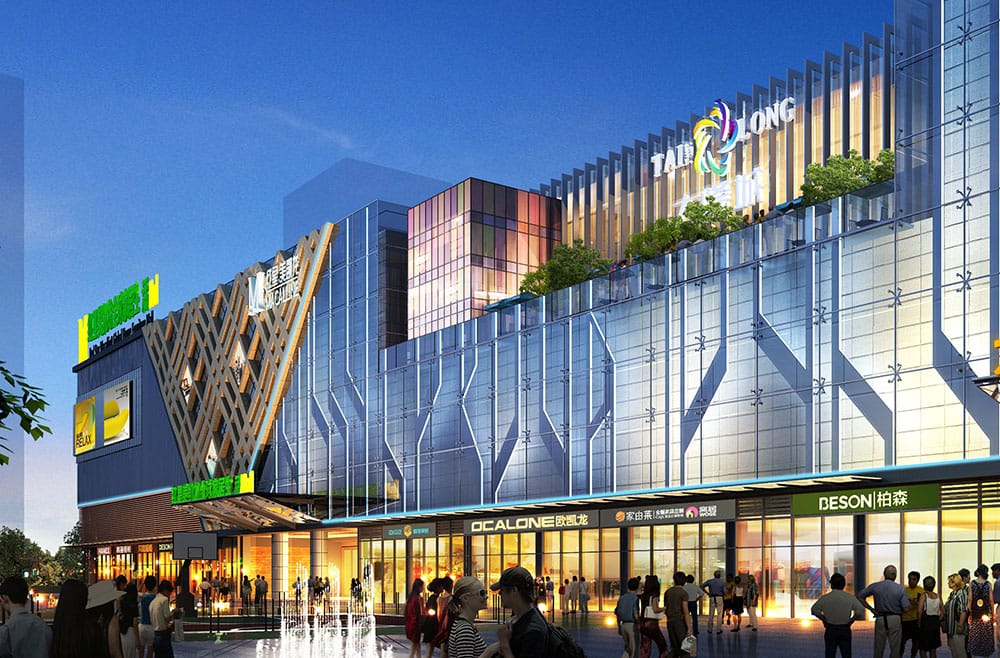
In modern architectural design, glass curtain walls have become an important element in shaping the image of modern buildings with their unique charm and wide application. It not only gives the building a light and transparent texture, but also creates a rich visual layering and sense of space through the changes of light and shadow. Zhongdong Curtain Wall will explore the techniques, architectural beauty and design techniques of glass curtain walls today, and take you to appreciate the infinite possibilities of this architectural element.
Material selection and performance optimization: The selection of materials for glass curtain walls is the key to design. Modern buildings widely use high-performance materials such as ultra-clear glass and LOW-E glass. These materials not only have good light transmittance, excellent heat and sound insulation, but also have good wind pressure resistance and UV resistance. Structural design and safety: The structural design of glass curtain wallsis directly related to their stability and safety. Modern glass curtain walls mostly adopt frame or point-supported structures. Through scientific and reasonable structural layout and fine construction technology, the curtain wall and the main structure are closely connected and effectively supported. Optical design and light and shadow effects: The optical design of glass curtain walls is an important means to enhance the beauty of buildings. During the day, mottled light and shadow are formed; at night, a dreamy visual effect is created. In addition, the application of parametric design techniques also adds more possibilities to the light and shadow effects of glass curtain walls.
Architectural beauty of glass curtain walls
Lightness and transparency: The glass curtain wall, with its light texture and transparent visual effects, gives the building a unique sense of space and visual depth. This light and transparent beauty not only enhances the artistic value of the building, but also brings people a more comfortable and pleasant living experience.
Interlaced light and shadow and rich layers: The light and shadow effect of the glass curtain wall is an important manifestation of its aesthetic value. This dynamic beauty not only breaks the static characteristics of the building, but also integrates the building with the surrounding environment, forming a harmonious symbiotic relationship.
Modernization and sense of technology: As one of the iconic elements of modern architecture, the glass curtain wall itself is a perfect combination of technology and art. By adopting advanced processing technology and design concepts, the glass curtain wall can achieve a variety of complex forms and structural changes, bringing unprecedented visual experience to the building.
Design techniques of glass curtain wall facades Modular and parametric design: Modular and parametric design is one of the important design techniques of modern glass curtain wall facades. Simplify the complex curtain wall structure into several standard modules for production and installation to improve construction efficiency and quality. Grid and scattered layout: Grid and scattered layout is one of the common composition techniques in glass curtain wall facade design. By dividing the glass curtain wall into several grid units or scattered elements for arrangement and combination, a rich composition level and visual effect can be formed.
As an important element in modern architectural design, the glass curtain wall facade not only gives the building a unique aesthetic, but also improves the functionality and sustainability of the building. Through reasonable design techniques, the pursuit of architectural beauty and innovative design techniques, the glass curtain wall has not only become the finishing touch of the building, but also a bridge connecting people and nature, tradition and modernity.
We use cookies to ensure that we give you the best experience on our website. If you continue to use this site we will assume that you are happy with it.Ok