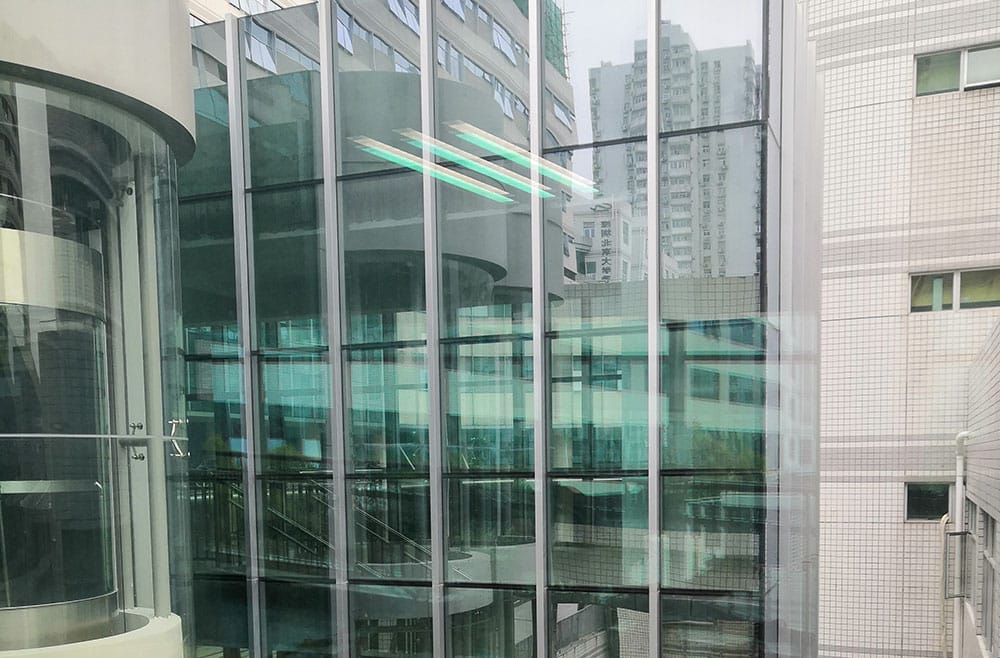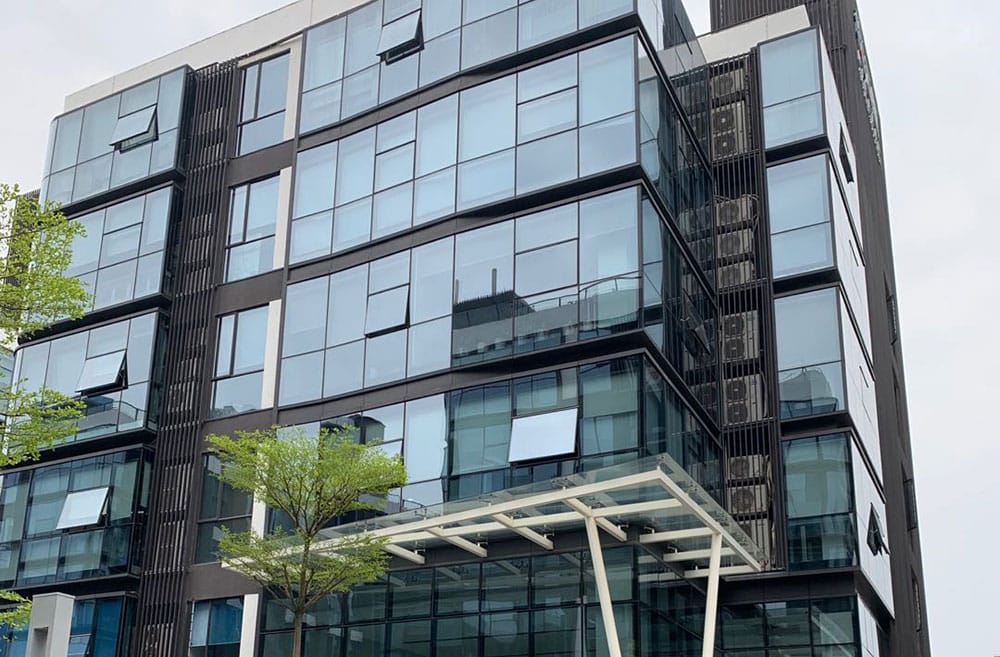
If the exterior wall is decorated with curtain walls, would you choose glass curtain walls? If you really want to make glass curtain walls, how much do you know about profiles? As China’s top glass curtain wall manufacturing service provider, today I will tell you how to choose glass curtain wall profiles.
1. Basic understanding of glass curtain wall profiles
In simple terms, the “profile” of the glass curtain wall is a metal frame that supports and fixes the glass, just like the skeleton of the human body. Although it is usually invisible, it determines the stability, safety and service life of the entire curtain wall. Imagine that without the support of suitable profiles, those large areas of glass are like skin without a skeleton, and they cannot resist wind, rain and their own weight at all.
At present, the common curtain wall profiles on the market are mainly aluminum alloy, steel and stainless steel. Aluminum alloy occupies the vast majority of the curtain wall profile market due to its lightness, corrosion resistance and easy processing; steel is more used in occasions where structural strength needs to be emphasized; stainless steel is often used in seaside or highly polluted environments due to its excellent corrosion resistance.
The “cross-sectional shape” of the profile (that is, what the cross section looks like) directly affects its load-bearing capacity and use effect. Common cross-sectional shapes include rectangular, I-shaped, trough-shaped, etc. Different shapes are suitable for different force requirements. This is like building blocks, and blocks of different shapes are suitable for building structures in different parts.